Our story
Naturally shed, gathered, hand-finished.
Every piece in the Antler Tree collection begins life on a New Zealand hillside and is finished by hand in our workshop.
The beginning
Born from a love of the outdoors
Antler Tree was born from a love of animals, nature and the outdoors. We are all linked to mother nature and seeing cast antlers in the forest seemed like such a waste of a beautiful, natural resource. So I set to work designing long lasting handmade products that would celebrate the beauty of these amazing creatures and keep us connected to the earth.
Just like our distant ancestors, there is something special about crafting and using tools from antler. It is the ultimate upcycling, and connects us to a simpler, more wholesome time.
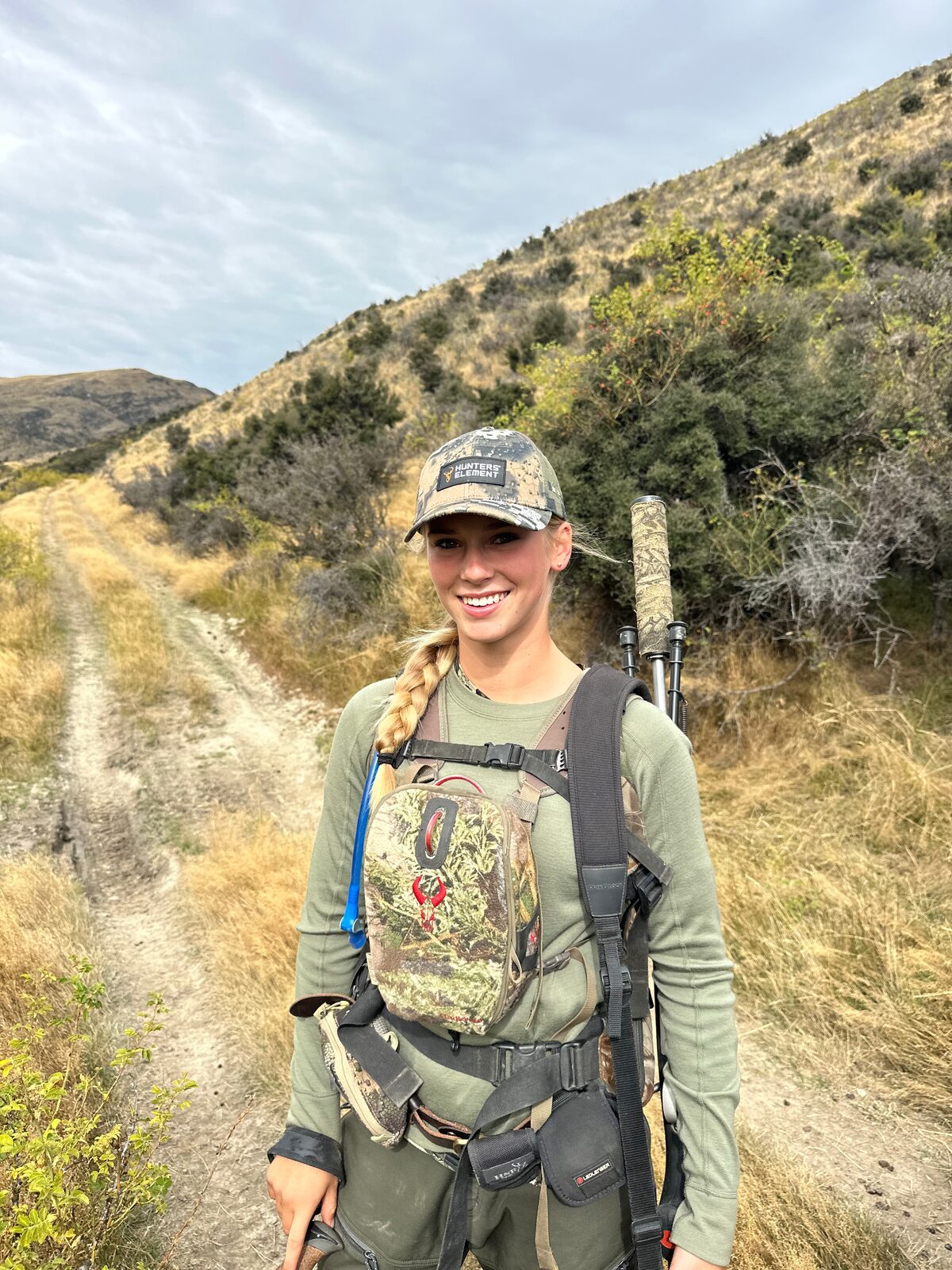
Suzy Toresen, Owner
"It is the ultimate upcycling, and connects us to a simpler more wholesome time."
Suzy Toresen
Naturally shed
How antlers come to us
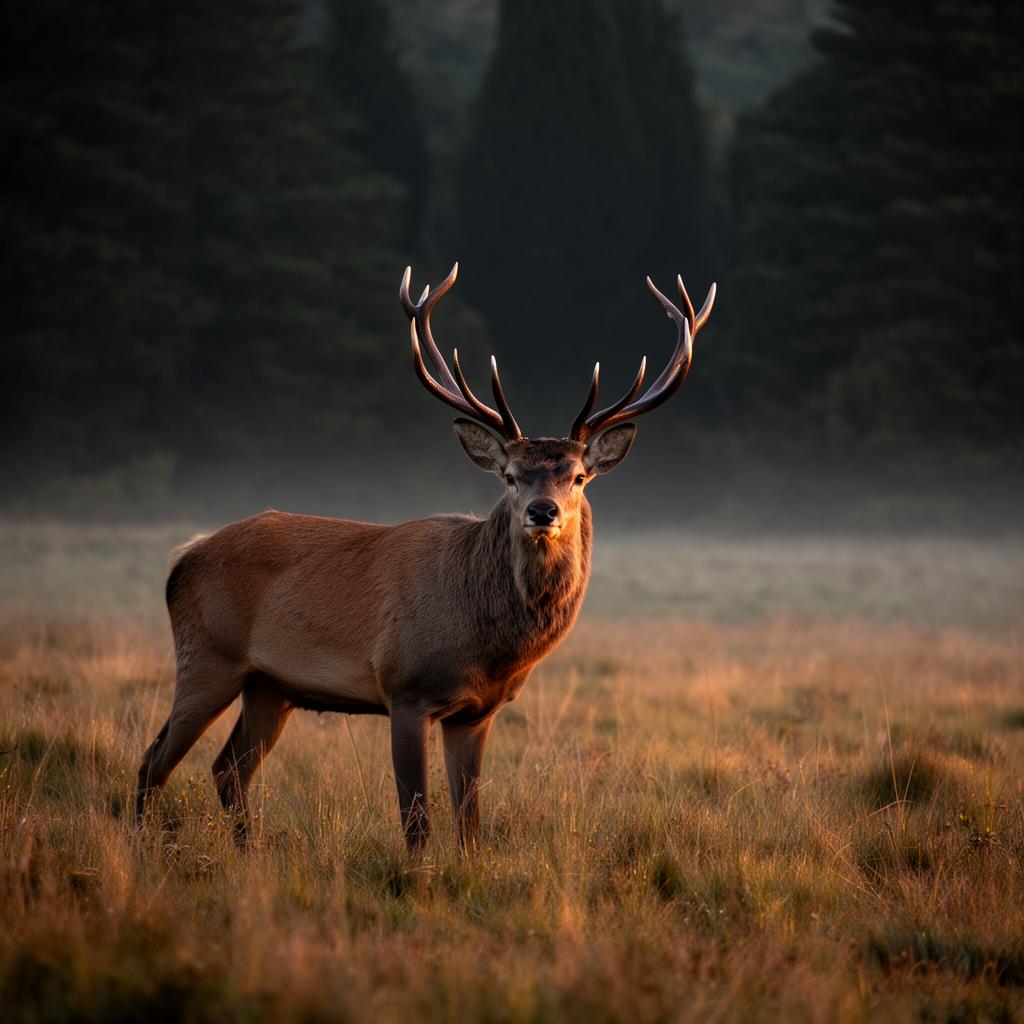
Many people are unaware that deer species cast (shed) their antlers every year and grow new antler before the rut — the mating season, also known as the "Roar," when males literally roar to warn other stags away from their territory. This incredible feat almost defies belief: large red stags can grow up to 6 cm of antler per day with good feed and nutrients.
Early-growth antler is softer and covered in velvet, but by ninety days the antlers are fully hardened. Stags rub off all the velvet against trees, which imparts the dark colours that remain on every finished piece.
In New Zealand, red deer stags cast (drop) their hard antlers in the spring, typically between September and October.
The exact timing is driven by a drop in testosterone levels following the winter months and varies depending on the age and condition of the stag:
- Mature Stags: Older, dominant stags cast their antlers first, often starting in early to mid-September.
- Younger Stags & Spikers: Immature stags and yearlings carry their antlers longer, frequently casting them later in October or even into November.
Once the old antlers are cast, the pedicle (the bony growth point on the skull) heals rapidly, and the new season's antler growth begins almost immediately in the form of velvet.
Conservation through hunting
An active hunter and conservationist
Every product sold by Antler Tree is crafted from naturally cast antlers gathered from the New Zealand bush - not from hunting. However for full transparency, Suzy Toresen is also an active hunter, and while that may be hard for some people to understand, deer hunting in New Zealand is a vital conservation activity.
New Zealand has no native mammals. The large wild deer population was introduced and is considered a pest animal that destroys natural habitat and threatens our unique native ecosystems. Responsible deer hunting helps protect that habitat. Nothing is wasted on the animals harvested — they are fully utilised.
Why antlers?
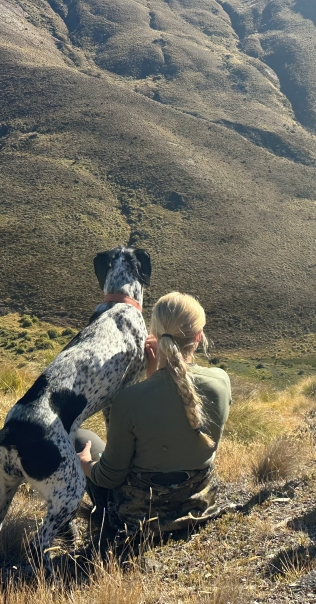
Why do stags have antlers?
- 1
To establish and maintain social order — a visible expression of dominance.
- 2
To attract hinds in season — females seek stags with the largest antlers.
- 3
To defend himself or his harem (yes thats really what a group of hinds with a stag is called!) from predators and rival stags.
- 4
To mark territory and prepare wallows.