Gifting & Occasions· 6 min read
Embracing Imperfection: Reading the Lifecycle History Written in Natural Bone
Discover how the unique colours, textures, and growth rings in naturally shed deer antler tell a story of a wild life and a specific New Zealand environment.
By Antler Tree · 1 June 2026
In a world of mass-produced uniformity, the allure of an object with a story is undeniable. The subtle variations and perceived flaws in a natural material are not defects; they are chapters in a history written by time, weather, and a life lived in the wild. This is the language of natural antler, a chronicle waiting to be read by those who take a moment to look closely.
The Pulse of a Living Material
It is a common misconception to think of antler as inert bone. In truth, it is one of the fastest-growing living tissues known in the animal kingdom. Every year, New Zealand's magnificent red deer stags grow a new set of antlers, a process fuelled by the seasonal abundance of the high country. For several months, the growing bone is covered in a soft, vascular skin called velvet, which supplies the immense flow of blood and nutrients required for this explosive growth.
Once the antler reaches its full size, the bone inside hardens, and the velvet is shed. The stag carries this impressive rack through the autumn 'roar,' or mating season, using it for display and sparring with rivals. Then, as winter gives way to spring, a hormonal shift causes a layer of cells at the base to weaken, and the antlers are cast, or shed, naturally onto the forest floor. It is this gift from the wild, found scattered across the mountains and valleys, that we gather to create our pieces. No animal is ever harmed. This annual cycle is the foundational rhythm that imparts each antler with its specific character.
A Landscape Etched in Colour
When freshly shed, an antler is stark white. The rich palette of creams, greys, and deep browns we see in finished pieces is not a property of the bone itself, but a patina absorbed from the land. Each piece is a direct impression of the specific environment where it lay, sometimes for several seasons, before being found. An antler that has rested on the damp, tannin-rich floor of a native beech forest will absorb deep, coffee-coloured stains. One that has fallen in open, sun-bleached tussock grasslands will age to a silvery grey or warm ivory.
Occasionally, you might even notice a subtle greenish hue in the deeper crevices. This is the trace of moss or algae that found a home on the antler's textured surface. These colours are a map. They tell of rainfall, of sunlight, of the very soil and plant life that define a corner of the New Zealand wilderness. They are the pigments of place, impossible to replicate and a direct link from the finished piece in your hands to the remote landscape where its journey began.
A Record of the Seasons
The most detailed stories are told within the bone itself. Much like the rings of a tree, the internal structure of an antler holds a microscopic record of the deer’s health and the conditions it experienced during the brief, intense growing season. To the untrained eye, a cross-section of antler appears as a solid, porous material. To a craftsperson who understands the medium, it is a detailed ledger.
Interpreting Growth Lines and Stress
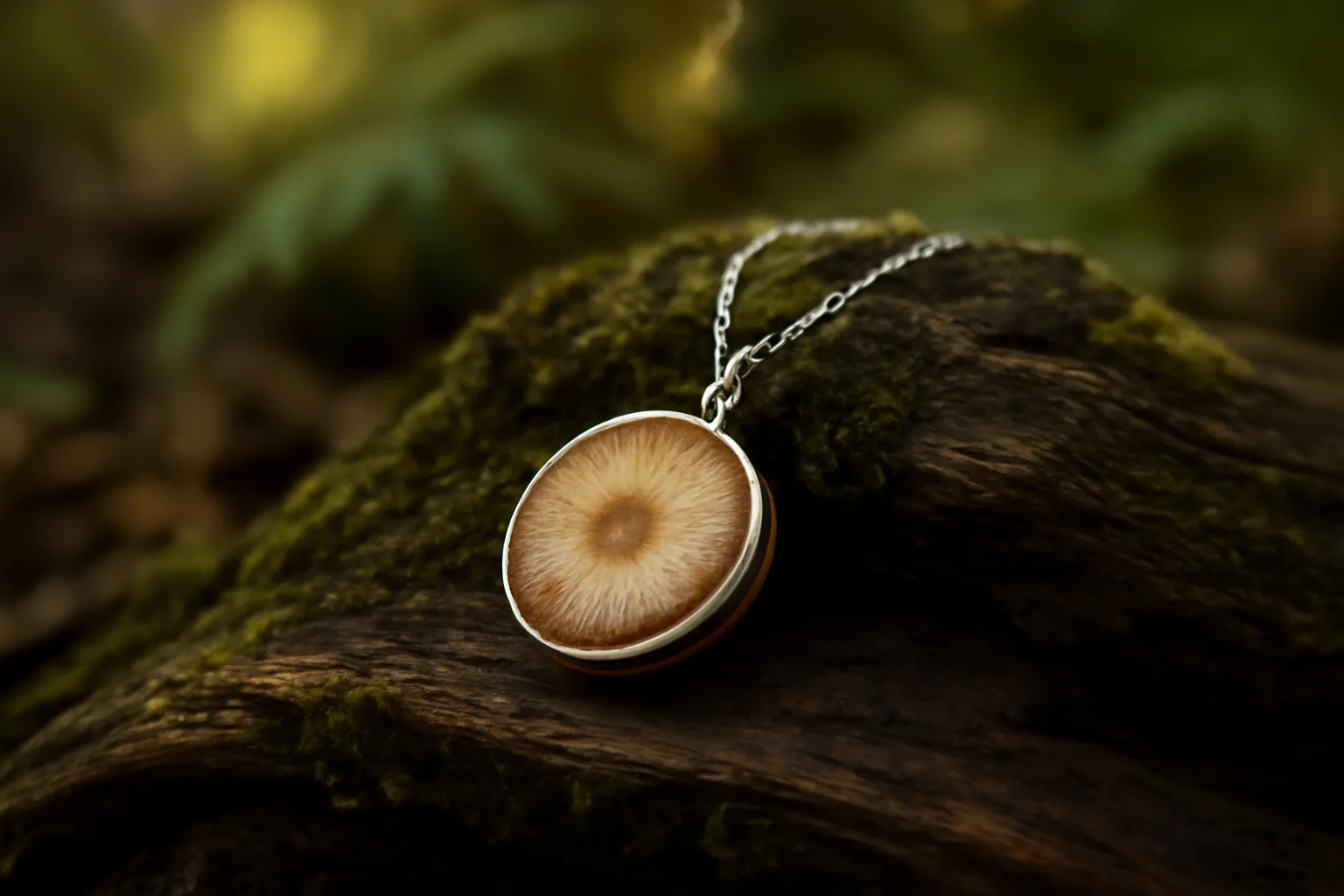
If you look closely at a polished slice of antler, you can sometimes discern faint, concentric lines or subtle shifts in density and colour. These are growth rings, marking fluctuations in the deer's life. The rapid, lush growth of early spring, when food is plentiful, produces a more porous, lighter-coloured bone. As the season progresses, or if the stag experiences periods of stress—such as a harsh storm, food scarcity, or illness—its body prioritizes survival over antler development.
The physiological mechanism is fascinating. Growth slows, meaning the underlying cartilage matrix is deposited less rapidly. The process of mineralization, however, which hardens the cartilage into bone, continues more steadily. This results in a denser, less porous, and often slightly darker band within the antler. These lines are the physical embodiment of hardship and resilience. They mark a difficult week, a dry spell, a challenge overcome. When we slice a small tine to create an Antler Necklace, we are not just creating a piece of jewellery; we are framing a miniature map of a single season in a wild animal's existence.
Mineralisation as a Mark of Authenticity
The deer’s diet and local geology are also readable in the bone. The specific mineral composition of the plants and soil in a stag's territory influences the precise makeup of its antlers. Different mineral concentrations can result in subtle variations in the hue of the bone matrix itself. This is one of the clearest ways to confirm a truly wild origin.
Farmed deer, raised on homogenous, pre-mixed feed, produce antlers with an unnaturally uniform composition. Their internal structure is consistent, lacking the nuanced variations that speak of a life spent foraging across diverse terrain. A wild antler, by contrast, is a geological sample. Subtle rosy tints might indicate a territory rich in iron; faint greyish tones could reflect different trace elements in the soil. These patterns serve as a unique fingerprint of the stag’s home range, a quiet confirmation of authenticity that no manufactured process could ever imitate.
The Scars of a Wild Existence
Beyond colour and internal structure, the surface of an antler tells a more visceral story. Look for the scratches, grooves, and even healed-over fractures. These are not imperfections but marks of distinction, earned during a life of consequence. Polished tips might indicate a stag that used its antlers to dig for roots or strip bark. Deep gouges and chipped tines are the scars of ritual combat, evidence of the violent, necessary drama of the annual roar, where stags clash for dominance and the right to mate.
A small, smooth break that has been worn down at the edges suggests the antler may have been fractured long before it was shed, a healed wound carried as a reminder of a past struggle. These marks distinguish the material from anything synthetic or farmed. They are tangible proof of a life lived with purpose, courage, and vigour. Embracing these so-called flaws is to embrace the authenticity of the material and the noble creature from which it came.
Each piece of naturally shed antler is therefore a vessel, carrying with it the memory of changing seasons, the chemistry of a unique landscape, and the physical record of a wild life. It is an invitation to look beyond the surface, to read the rich, subtle history written in bone. By appreciating its imperfections, we connect more deeply with the spirit of the material and the untamed beauty of the New Zealand wilderness it represents.
Related reading
Gifting & Occasions· 6 min read
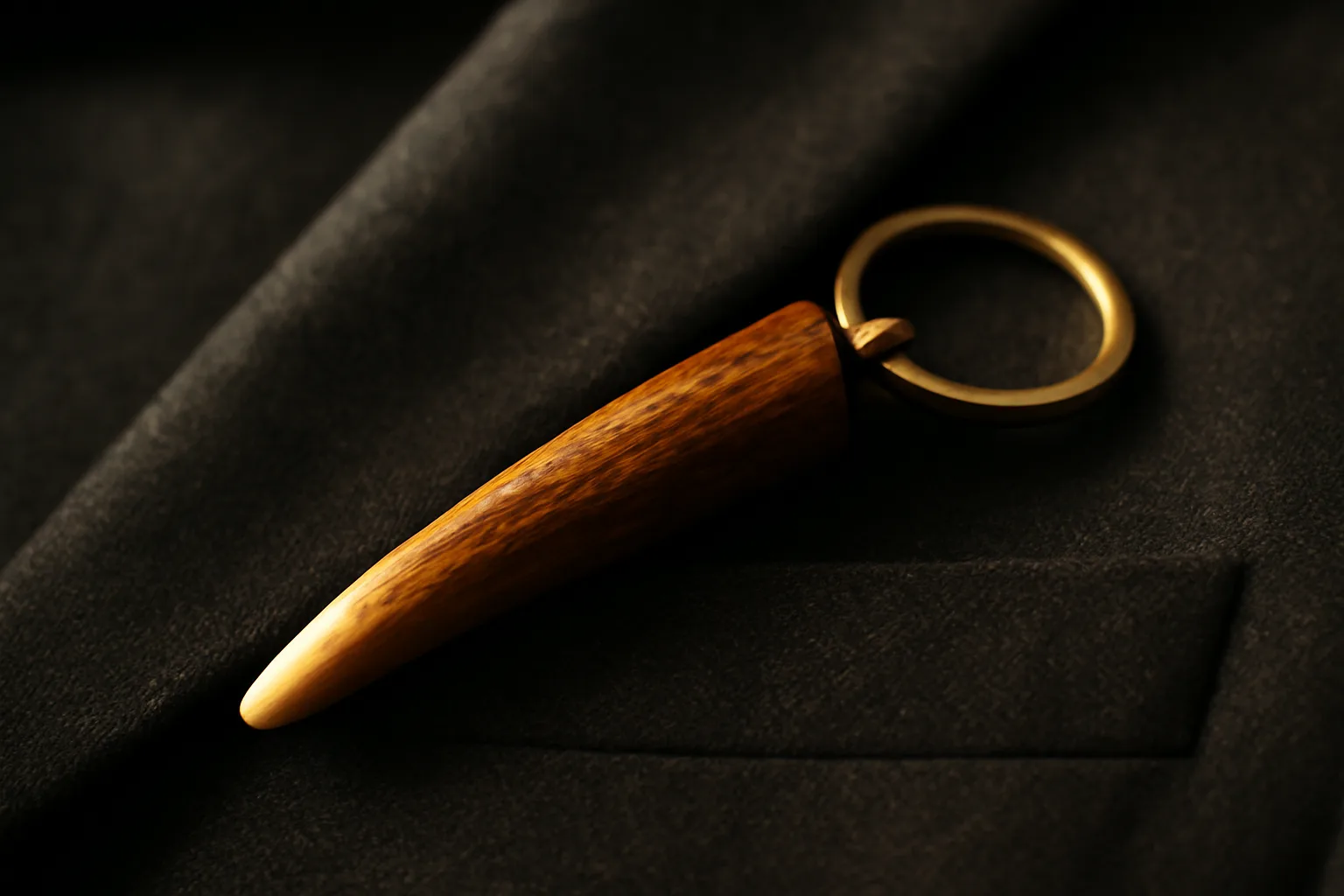
Protecting Garment Linings: The Hardness Scale of Your Key Ring
Why do keys ruin pocket linings? We explore the material science of hardness and friction, and explain how smooth, rounded deer antler offers a fabric-safe, elegant solution.
Read article →
Gifting & Occasions· 6 min read
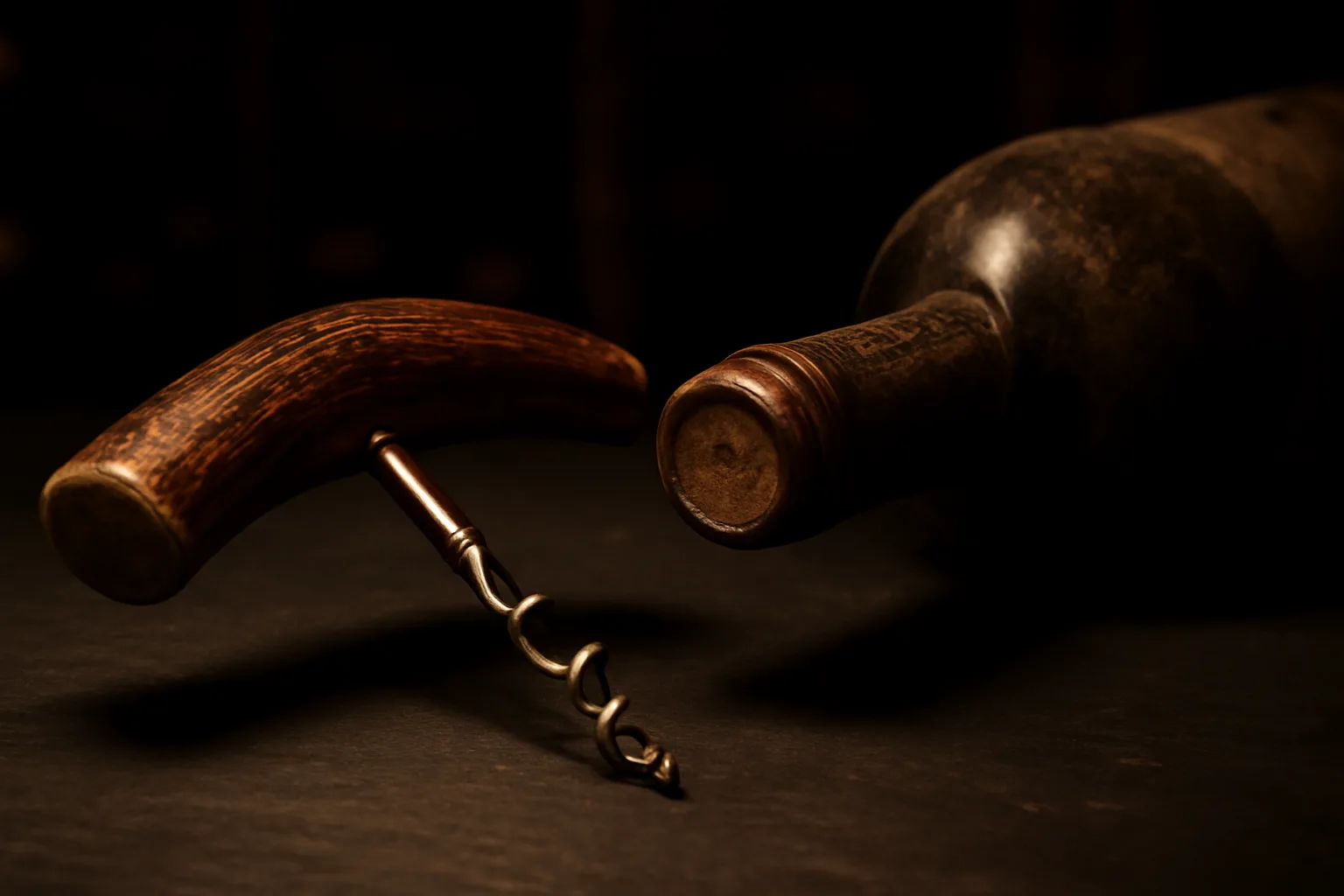
Stabilizing Dry Seals: Extracting Recessed and Stubborn Wine Corks
Learn the expert technique for extracting dry, recessed, and stubborn wine corks without ruining the wine. Discover how grip and tool design are key to success.
Read article →

Gifting & Occasions· 6 min read
Executive Gift Trends: Why High-Level Partners Prefer Tactile Office Art
Corporate gifting is shifting from plastic tech to tactile office art. We explore why modern executives value functional, analog items that serve as premium desk conversation pieces.
Read article →