Gifting & Occasions· 6 min read
The Anatomy of an Elevated Gift Basket: Avoiding the Disposable Fillers
A guide to curating elevated gift boxes. Learn the 'Anchor Item' strategy to build meaningful gifts around signature tools instead of disposable fillers.
By Antler Tree · 1 June 2026
The modern gift basket is often a triumph of packaging over substance. It promises abundance but delivers a curated collection of future landfill, a fleeting gesture wrapped in non-recyclable cellophane. True generosity, we believe, is not measured in the volume of filler but in the permanence and thoughtfulness of the items chosen.
The Unspoken Problem with Pre-Packed Hampers
There is a familiar rhythm to receiving a conventional gift hamper. First, the visual impact—a large, tightly wrapped vessel brimming with colour. This is followed by the rustle of crinkle-cut paper and the discovery of a dozen or so small items: single-serving crackers, a miniature jar of generic jam, a cheap corkscrew, and perhaps a novelty chocolate bar. The initial impression of bounty quickly gives way to a quiet, logistical problem. What does one do with all of it?
The items are rarely things one would choose for oneself. They are designed for mass appeal and shelf stability, not for exceptional quality or genuine utility. More often than not, they languish in the back of a pantry until an acceptable amount of time has passed, at which point they are discarded. The gift, intended to be a moment of connection, becomes an exercise in quiet waste management. This model of gifting prioritises the appearance of generosity over the act itself. It feels transactional, impersonal, and ultimately, forgettable.
Shifting the Focus: From Volume to Lasting Value
A more considered approach starts with a fundamental shift in philosophy. Instead of asking, “How much can I fit into this box?” we should ask, “What single object will bring lasting use and delight?” It is the difference between filling a void and curating an experience.
The goal is not to provide a random assortment of goods, but a small collection of items that work together to serve a specific purpose. This method respects the recipient's space and taste, offering them tools and pleasures that integrate into their life rather than cluttering it. When you prioritise quality over quantity, the gift becomes a story. It speaks of intention, of an understanding of the recipient's passions, and of an appreciation for materials and craftsmanship that endure. A gift built on this foundation has a life long after the consumables are gone; it becomes a part of the home and a vessel for future memories.
The Anchor Item Strategy: Building a Gift with Purpose
The most effective way to escape the filler trap is to adopt what we call the Anchor Item strategy. This is the core principle of elevated gifting: you dedicate the majority of your budget and consideration to one central, high-quality, permanent object. This anchor validates the entire collection and serves as the functional and conceptual heart of the gift.
As a rule of thumb, the Anchor Item should represent 50-70% of your total gift budget. This may seem counterintuitive—it leaves less for the “other stuff”—but this is precisely the point. Investing significantly in a single, well-made piece forces a level of discipline and intentionality. It prevents the budget from being diluted across a dozen low-impact, disposable items. The anchor’s substantial value, both in monetary terms and in craftsmanship, elevates the perceived value of the entire gift. It provides a focal point and a clear 'why'.
Consider a gift for a coffee aficionado. Standard procedure would be to buy a cheap mug, five different sample packs of ground coffee, some biscotti, and a chocolate-dusted spoon. The total cost is spread thin, and the only lasting item is a mug that will likely be relegated to the back of the cupboard. Using the Anchor Item strategy, you would instead invest that 50-70% in a beautiful, Japanese-made ceramic pour-over dripper or a precision hand-grinder. The complementary items then become a single bag of exceptional, locally roasted whole beans and perhaps a small notebook for tasting notes. The gift is now a complete, high-performance ritual, not a sampler of mediocrity.
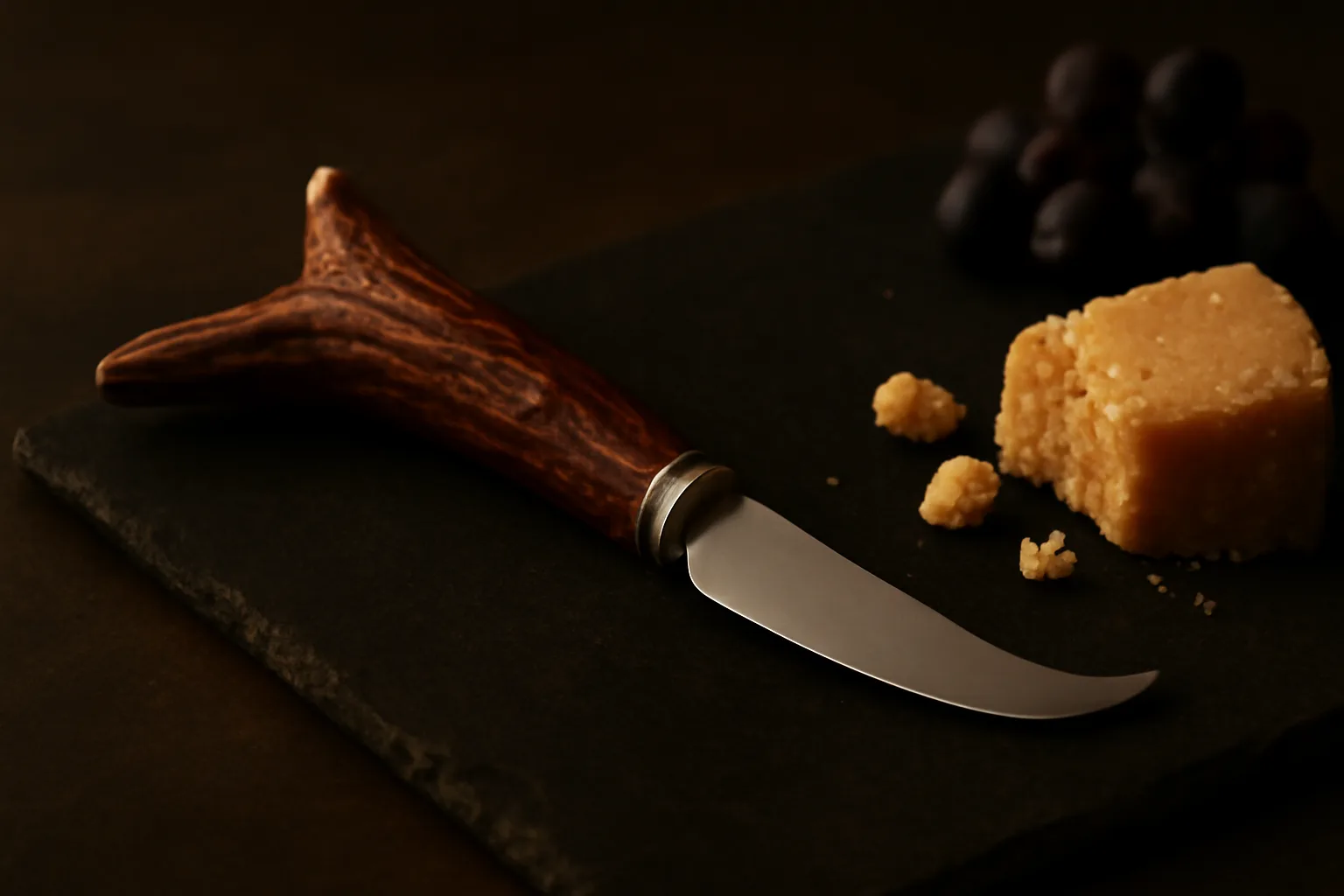
For someone who loves to host, the anchor provides a chance to give a signature piece for their home. Instead of a flimsy slate board and mass-produced chutneys, you might choose a tool forged from unique, natural materials—something with soul. A tool like a handcrafted Antler Cheese Knife, shaped from naturally shed New Zealand red deer antler, is not merely functional; it is a conversation piece. Its weight, texture, and origin story give it a presence that no disposable item can match. It is the anchor, establishing a theme of rustic elegance and enduring craft.
Curating Around the Anchor: The Art of Complements
Once your anchor is chosen, every other item in the box has a new, clarified purpose: to complement and enhance the use of the anchor. These are not fillers; they are supporting actors in a cohesive and thoughtful narrative. The key is to apply the same standard of quality to these smaller items, even if they are consumable.
Choosing Consumables with Intention
If you are including edible goods, resist the four-pack of identical crackers from the supermarket. Instead, visit a local baker for a single, rustic loaf of sourdough. Rather than a generic jam, find a small-batch preserve made by a local artisan with seasonal fruit. Paired with an antler-handled knife, for instance, the ideal complement is not a bulk block of cheese but a single, carefully chosen wedge from a dedicated fromagerie. These consumables are still fleeting, but they are an experience in themselves—an extension of the anchor’s commitment to quality.
Selecting Permanent Companions
Where possible, choose permanent or reusable companions. A pair of pure linen napkins adds a touch of texture and can be used for years. A small, hand-thrown ceramic dish for olives or nuts is another small, permanent addition that aligns with the quality of the anchor. A beautiful, sustainably sourced wooden board serves as the perfect stage for the knife and cheese to perform. Each piece should feel like it was chosen with the same care as the anchor, creating a curated toolkit for a specific, enjoyable ritual.
The Final Presentation: More Than Just a Box
The final element is the presentation. The vessel itself should reflect the gift's philosophy of permanence and utility, so ditch the cellophane and plastic ribbon. A simple, well-made pine box with a lid can be reused for storage. A beautiful woven market basket can be used for grocery trips. Even a large, high-quality ceramic mixing bowl can serve as the container for a baking-themed gift.
Inside, replace plastic crinkle paper with natural, reusable materials. A neatly folded linen tea towel, natural wood wool, or a bed of fragrant, fresh eucalyptus or rosemary sprigs can cushion the items. This multi-sensory approach—the scent of fresh herbs, the texture of linen—completes the experience. It signals from the very first moment that what lies inside is different: considered, crafted, and intended to last.
The result is a gift that feels deeply personal and genuinely luxurious. It is an invitation to slow down, to appreciate fine materials, and to create a new ritual. By anchoring your gift in a single, exceptional piece, you give something that will not only be used but cherished, gathering stories for years to come.
Related reading
Gifting & Occasions· 6 min read
Protecting Garment Linings: The Hardness Scale of Your Key Ring
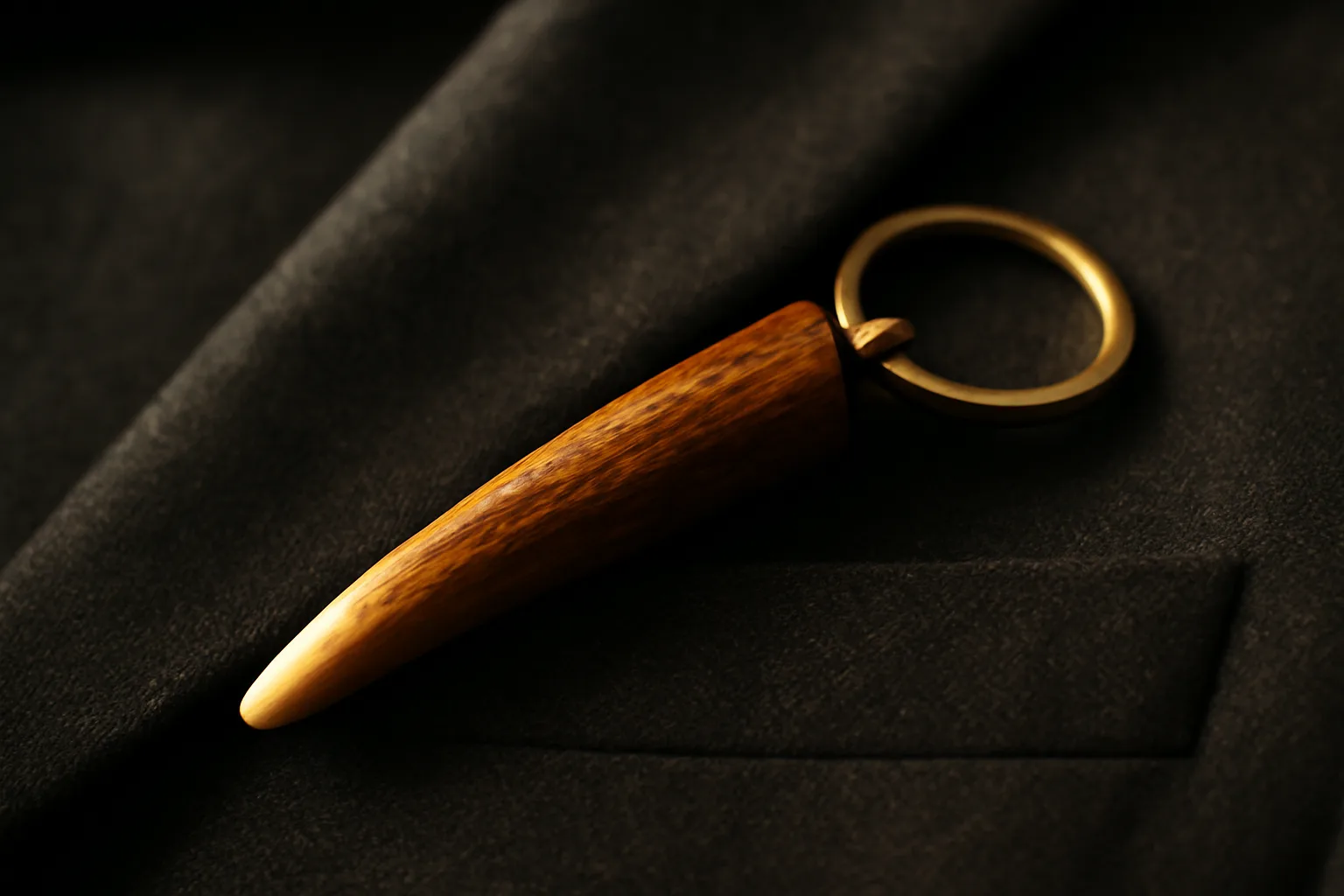
Why do keys ruin pocket linings? We explore the material science of hardness and friction, and explain how smooth, rounded deer antler offers a fabric-safe, elegant solution.
Read article →
Gifting & Occasions· 6 min read
Stabilizing Dry Seals: Extracting Recessed and Stubborn Wine Corks
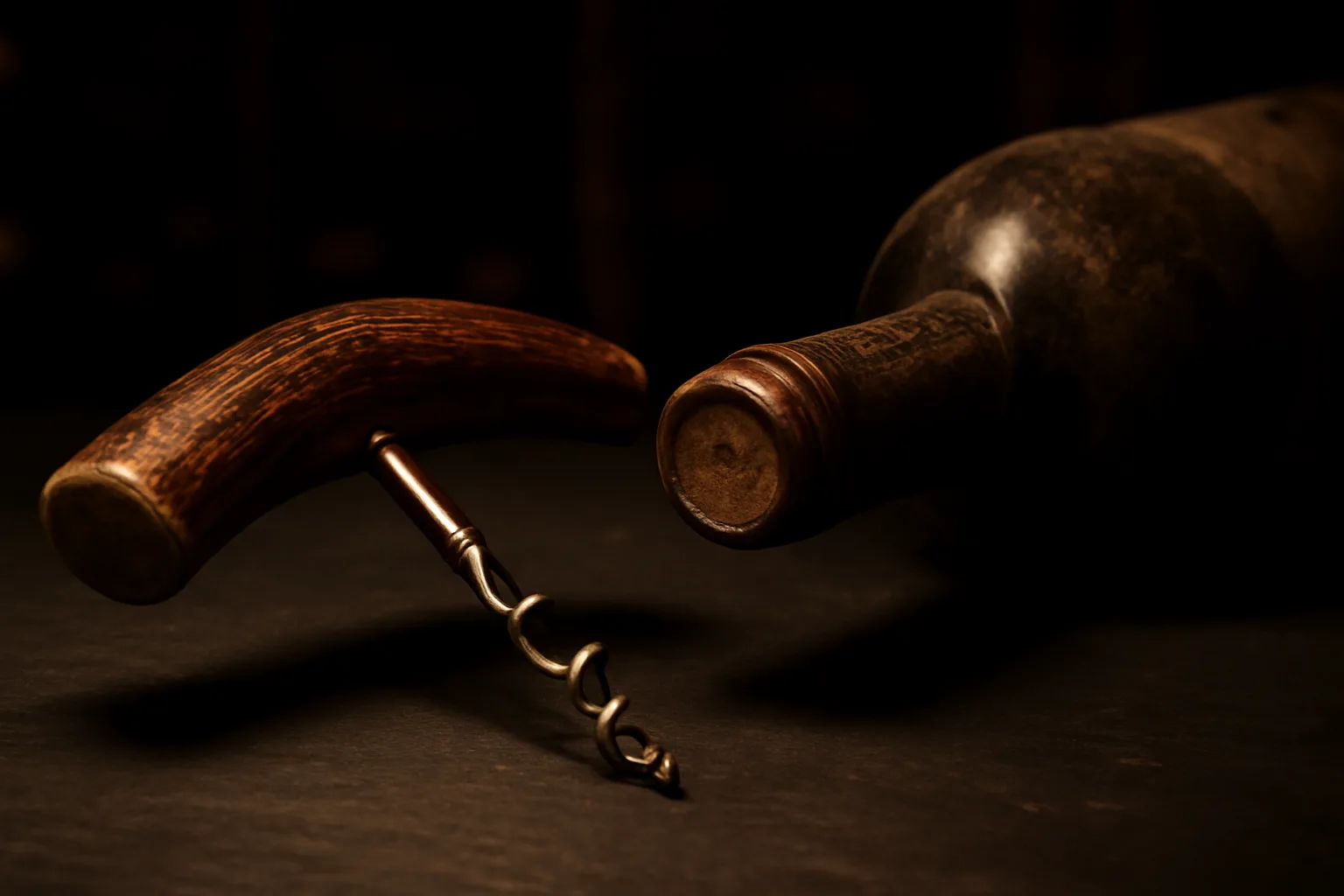
Learn the expert technique for extracting dry, recessed, and stubborn wine corks without ruining the wine. Discover how grip and tool design are key to success.
Read article →

Gifting & Occasions· 6 min read
Executive Gift Trends: Why High-Level Partners Prefer Tactile Office Art
Corporate gifting is shifting from plastic tech to tactile office art. We explore why modern executives value functional, analog items that serve as premium desk conversation pieces.
Read article →