
Gifting & Occasions· 6 min read
The Digital Detox: Why Human-Crafted Artifacts Anchor Modern Minds
A psychological review of screen fatigue and the anchoring power of analog objects. Discover why the brain finds comfort in the 'imperfect symmetry' of handcrafted gifts.
By Antler Tree · 1 June 2026
There is a subtle exhaustion that defines modern life, a cognitive weight that persists even when our screens are dark. It’s the low hum of digital dependency, a state so pervasive that we seek refuge not in more efficient systems, but in the tangible, the textured, and the real. We are rediscovering that the most profound anchor for a restless mind is an object shaped by a human hand.
The Weight of the Digital Ether
Our daily existence is mediated through glowing rectangles of glass and metal. We communicate, work, learn, and relax through interfaces designed for hyper-efficiency, governed by the rigid logic of the grid. Each pixel is perfect, each notification aligned, each interaction algorithmically streamlined. While this digital architecture has unlocked immense potential, it comes at a quiet cost to our analogue nervous systems.
This cost is more than just eye strain or the much-discussed disruption of blue light on our circadian rhythms. It is a form of deep cognitive fatigue. The human brain is not wired for the relentless stream of non-contextual information, the constant task-switching, or the dopamine-driven feedback loops of social media. This environment fosters a state of continuous partial attention, where we are simultaneously everywhere and nowhere, our focus fractured into a thousand tiny shards. The digital world is clean, frictionless, and sterile. In its perfection, it is also profoundly inhuman, lacking the sensory depth our minds have evolved to navigate and comprehend.
Finding Ground in the Analogue
The antidote to this digital dissociation is not a Luddite retreat, but a conscious re-engagement with the physical world. It is about finding anchors for our attention—objects that pull us back into the present moment through sensory feedback. This is the power of a handcrafted artifact. When you hold an object that has been shaped by hand, you are engaging with more than just its function; you are connecting with its material, its history, and the intention of its maker.
Think of the subtle warmth of a ceramic mug, the faint scent of timber from a turned bowl, or the satisfying heft of a well-balanced tool. These are not merely aesthetic considerations. They are vital sensory inputs that ground us in physical reality. These objects demand a different quality of attention than a digital interface. They invite slowness, contemplation, and presence. Using a hand-carved spoon or writing with a fountain pen transforms a mundane activity into a small ritual, a moment of mindful interaction that stands in direct opposition to the thoughtless scroll.
The Deep Comfort of Imperfect Symmetry
At the heart of our attraction to handcrafted objects lies a fascinating neurological principle: the brain’s preference for imperfect symmetry. While we often associate beauty with perfect balance, our cognitive and emotional systems are, in fact, more comforted and engaged by the subtle, organic variations found in nature and in items made by hand.
Nature's Signature
Perfect, geometric symmetry is rare in the natural world. A leaf is not a perfect mirror image of itself; the grain of wood flows with organic unpredictability; the two sides of a human face have minute differences that create character. Even the magnificent antlers naturally shed by New Zealand’s red deer possess a powerful, sweeping symmetry that is never mathematically exact. Each tine, each curve, each textured gradation is unique. This is biomorphic asymmetry, or what we can call 'imperfect symmetry'.
Our brains evolved over millennia to read, interpret, and find safety in these natural patterns. When we encounter them, a specific part of our visual processing system is activated, one that is closely linked to our emotional centers. The patterns are complex enough to hold our interest but familiar enough to be processed with very little cognitive strain. This effect is sometimes linked to our innate biophilia, the deep-seated human urge to connect with other forms of life.
Why Perfect Is Unsettling
Conversely, when faced with perfect, machine-like symmetry, the brain processes it quickly and efficiently. It is predictable, easily categorized, and immediately understood. While efficient, this pattern can also be neurologically sterile. It offers no new information for the brain to explore once the pattern is recognized. In some contexts, perfect artificial symmetry can even be subtly unsettling, as our primal brain can register it as 'unnatural'.
Handcrafted objects inherently carry the signature of imperfect symmetry. The slight variance in a series of carved marks, the gentle deviation from a perfect circle in a hand-thrown pot, the unique form of a tool's handle—these are the hallmarks of the maker's hand. When we look at or hold such an object, our eyes and hands trace these minor variations. This gentle exploration engages the brain in a calming, meditative way. It is a quiet dialogue between our senses and the object's form, a process that is both stimulating and soothing, reducing mental load and fostering a sense of peaceful connection.
The Story Embedded in the Form
A machine-made object tells you about its design. A handcrafted object tells you a story. It speaks of its origin as a raw material—a fallen branch, a lump of clay, or a piece of shed antler found on the floor of a high-country station. It carries the microscopic marks of the tools that shaped it and the countless small decisions the maker made along the way.
This embedded narrative gives the object a soul. It is no longer a disposable commodity but a repository of time, skill, and intention. At Antler Tree, our work is a direct extension of this philosophy. By using naturally shed New Zealand red deer antler, we embrace a material that is itself a story of wildness, renewal, and time. The process of hand-selecting, cutting, shaping, and polishing this remarkable material is a deliberate act of preserving and honoring its natural character. The finished piece is not just a product; it is a fragment of the wild, transformed by human care into something of lasting function and beauty.
Elevating Ritual with Tangible Tools
By consciously choosing to incorporate these tangible, storied objects into our lives, we can reclaim our daily rituals from the clutches of convenience and distraction. The act of preparing and sharing food, in particular, is a powerful arena for this practice. It is an ancient, communal act that engages all the senses.
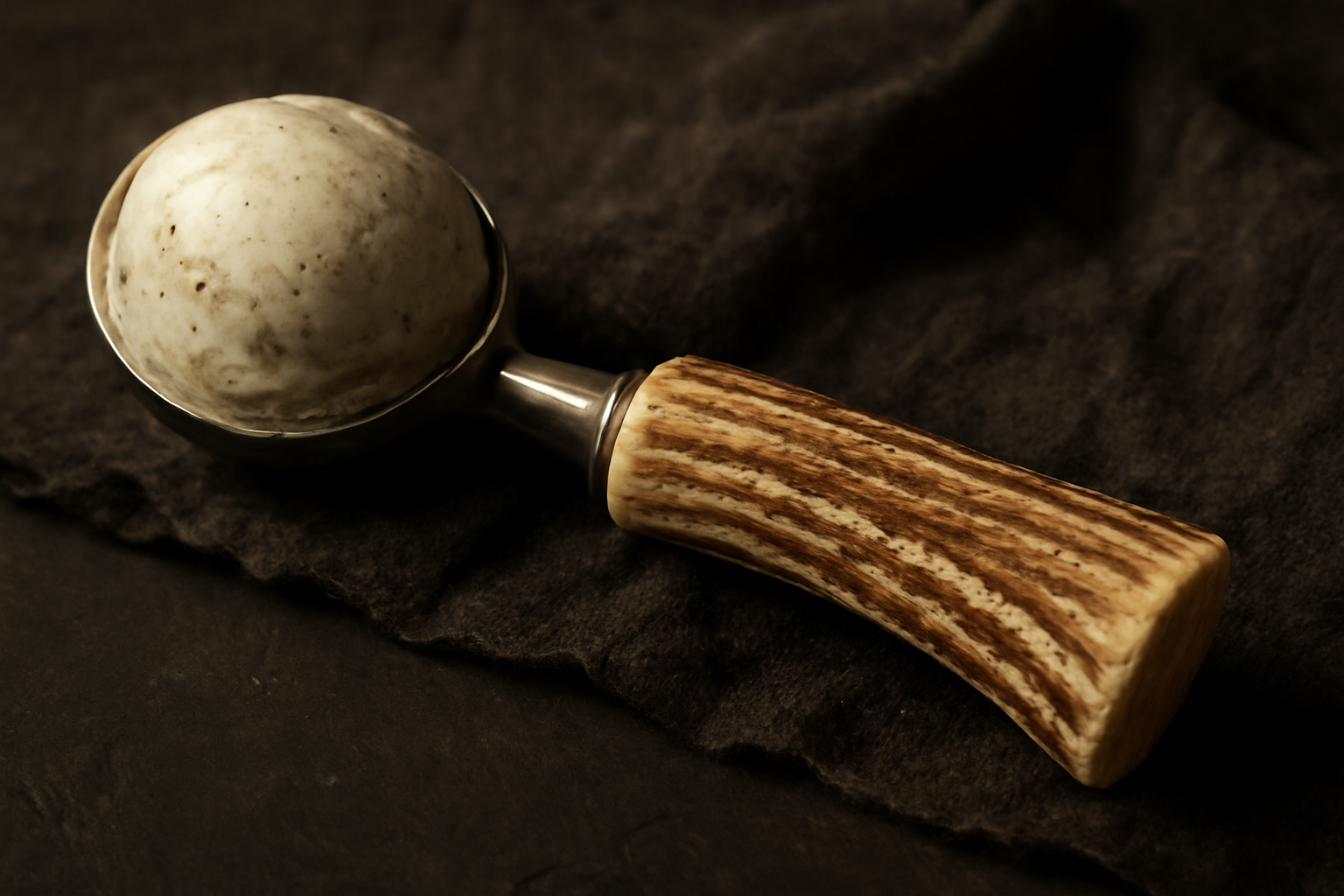
Instead of being a rushed necessity, a meal can become a focal point of connection and pleasure. The tools we use are central to this transformation. The simple act of serving a shared dessert becomes a moment of connection, grounded by the heft and unique grain of something like a well-made antler ice cream scoop. The unique, weighty feel of the antler in your hand, the way the polished steel glides through frozen cream—it transforms a simple action into a satisfying, sensory experience. It is a small but meaningful way to push back against the digital tide and anchor yourself in the pleasure of the present.
In an age defined by the ephemeral glow of screens, the solid, imperfect, and storied objects we hold in our hands offer more than function. They offer a sense of permanence, a connection to the natural world, and a quiet space for our minds to rest. We invite you to explore the pieces you live with, to feel their weight and texture, and to rediscover the profound comfort of the human-crafted world.
Related reading
Gifting & Occasions· 6 min read
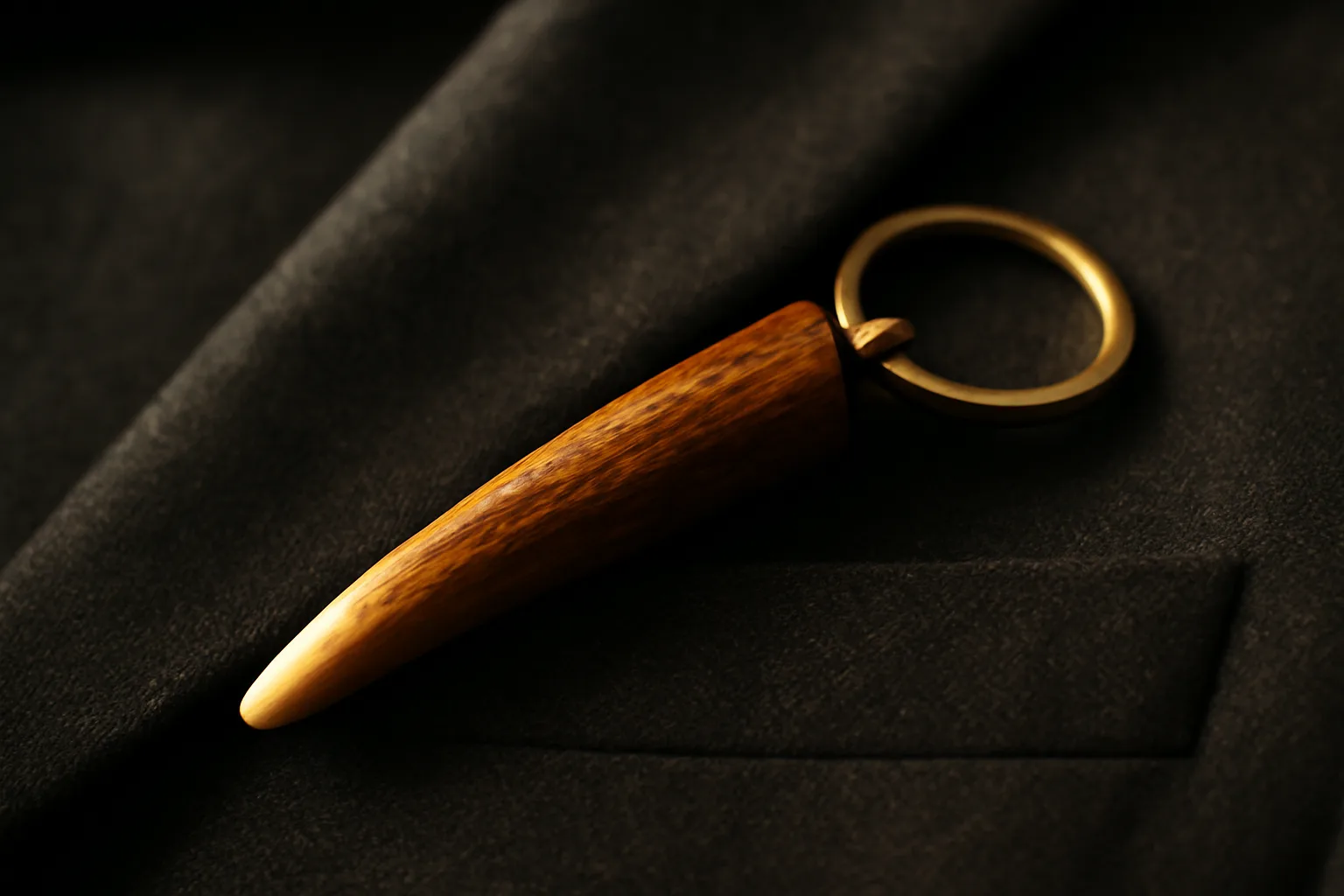
Protecting Garment Linings: The Hardness Scale of Your Key Ring
Why do keys ruin pocket linings? We explore the material science of hardness and friction, and explain how smooth, rounded deer antler offers a fabric-safe, elegant solution.
Read article →
Gifting & Occasions· 6 min read
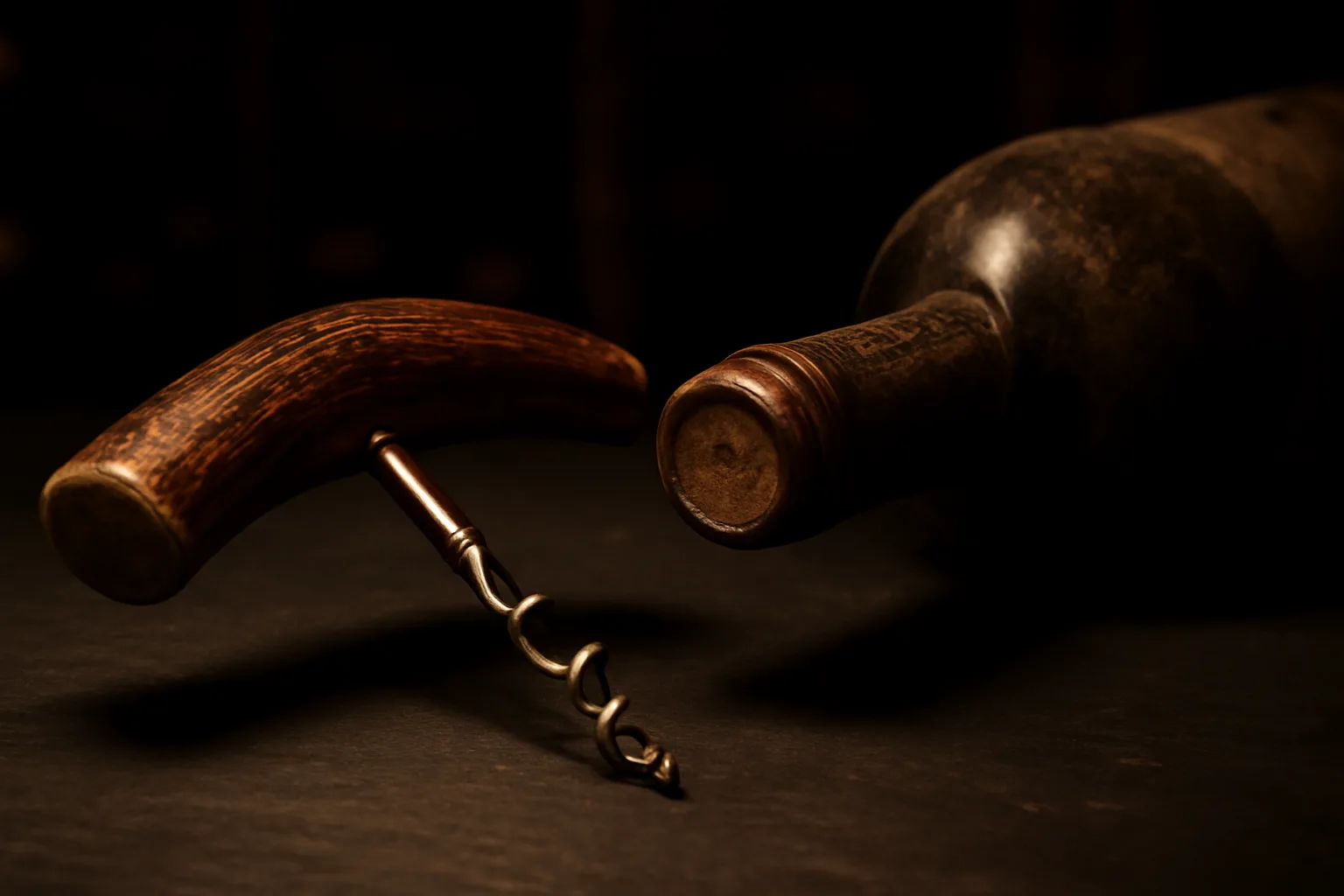
Stabilizing Dry Seals: Extracting Recessed and Stubborn Wine Corks
Learn the expert technique for extracting dry, recessed, and stubborn wine corks without ruining the wine. Discover how grip and tool design are key to success.
Read article →

Gifting & Occasions· 6 min read
Executive Gift Trends: Why High-Level Partners Prefer Tactile Office Art
Corporate gifting is shifting from plastic tech to tactile office art. We explore why modern executives value functional, analog items that serve as premium desk conversation pieces.
Read article →