
Gifting & Occasions· 6 min read
The Morning Pocket Audit: Establishing a High-Tactile Everyday Carry Routine
Explore the morning pocket audit, a ritual of selecting essentials by touch. Discover how a single organic object can reduce cognitive fatigue and ground your day.
By Antler Tree · 1 June 2026
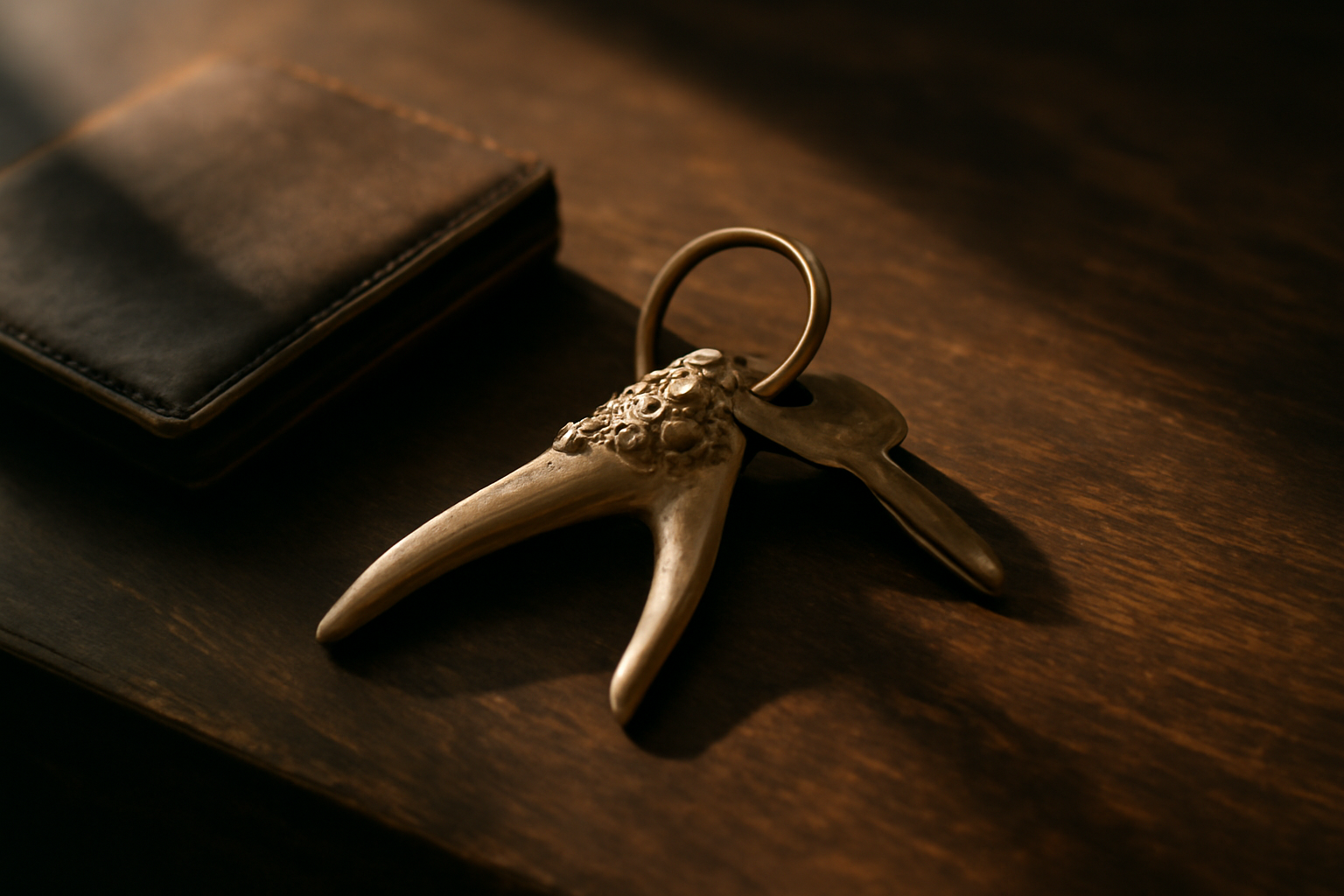
The ritual of leaving the house is more sensory than we acknowledge. The items we select to carry, the weight they lend to a pocket, form a quiet, tactile dialogue that sets the tone for the hours ahead. This morning audit is an opportunity to choose not just for function, but for feel.
Beyond the Essentials: The Sensory Weight of Our Pockets
Most of us carry a standard trinity: phone, wallet, keys. These are objects of pure utility, designed for efficiency and, increasingly, for uniformity. The phone is a slab of cold glass and metal, its surface an inert gateway to a digital world. The modern wallet is often a minimalist sheath of aluminum or carbon fiber, designed to disappear. Even our keys, once varied and distinct, are often paired with plastic fobs that offer little in the way of satisfying touch.
This collection of smooth, hard-edged rectangles forms the baseline of our daily carry. Functionally, they are faultless. Sensorially, they are barren. When you slip a hand into your pocket, the feedback is predictable, cold, and indistinct. You pat your pocket not to feel for a specific item, but merely to confirm the presence of a familiar lump. The mind must then do the work of discerning one flat rectangle from another.
This is the sensory landscape most of us inhabit without a second thought. It is a world of mass-produced textures that offer no story, no variance, and no connection to the physical world they are meant to help us navigate. But what if we curated this small, personal collection with the same care we give to the objects inside our homes? What if our pockets held not just tools, but anchors?
The Morning Pocket Audit: A Ritual of Selection
Consider the alternative to the frantic, pre-departure pat-down. The Morning Pocket Audit is a deliberate, two-minute ritual of choosing your companions for the day. It is an act of mindfulness that begins with intention. Instead of grabbing what you need, you consciously select what you want to carry.
This audit is not about adding more items, but about elevating the ones you already have. It begins with an assessment. Empty your pockets onto a table. Look at the collection. Now, close your eyes and handle each piece. Notice the temperature, the texture, the weight, the way it settles in your palm.
Does the jangle of your keys feel chaotic or contained? Does your wallet have a suppleness that speaks of its history, or is it a rigid, impersonal block? Is every object cold and sterile, or is there something that offers a point of warmth and organic connection?
This practice shifts the focus from a purely utilitarian mindset to a sensory one. It acknowledges that the objects we carry are the most intimate extension of our personal space once we leave the home. They are our primary physical touchpoints in a world that is increasingly mediated by screens. By choosing them with care, we are curating our immediate sensory environment, setting a foundation of calm and preparedness before the day's demands begin.
The Organic Anchor: Reducing Cognitive Load with a Single Object
The first hour of the day is a period of immense cognitive activity. From the moment we wake, our brains are flooded with a cascade of micro-decisions: what to wear, what to eat, which route to take, what the day's first priority should be. Psychologists refer to the cumulative effect of this as decision fatigue, a depletion of mental resources that makes subsequent choices harder and more taxing.
This is where the tactile nature of our pocket-carry becomes a powerful, overlooked tool. By introducing a single, non-uniform, organic object into our daily essentials, we create what can be called a "haptic anchor." This object, by its very nature, provides instant, unambiguous feedback to our sense of touch, requiring zero cognitive effort to identify.
Consider the difference. In a pocket containing a phone and a minimalist wallet, your fingers brush against two smooth, flat, hard-edged objects of similar size. Your brain must engage a small but real cognitive process to differentiate them. It may require a slight shift in grip, a mental check of which pocket you used, or even a quick glance. Multiplied over a day, these tiny mental expenditures add up.
Now, introduce an object with distinct, organic variance—something made of wood, stone, or antler. Its surface is not uniform. It has history, texture, and a unique silhouette. This is where a small, thoughtfully chosen piece like an Antler Key Ring finds its true purpose. When your hand finds it in a pocket, identification is instantaneous and subconscious. The unique ridges of the burr, the smooth taper of the beam—this is a language your sense of touch understands without translation. There is no confusion, no moment of cognitive processing. It is simply there. You have successfully located your keys with zero mental effort, freeing that sliver of energy for a more important task.
The Science of Grounding by Touch
The benefit extends beyond simple identification. The act of touching a natural material has a grounding effect. Haptic feedback from an organic texture—the grain of wood, the cool smoothness of a river stone, the complex topography of naturally shed New Zealand red deer antler—pulls our awareness out of the abstract realm of thoughts and worries and into the physical present. It is a miniature mindfulness exercise we can perform dozens of times a day without conscious thought.
This isn't just a feeling; it's a neurological process. Engaging the sense of touch activates the parietal lobe, drawing energy and focus to sensory processing and away from the prefrontal cortex, where anxiety and circular thinking often reside. A quick, tactile connection to a natural object can momentarily interrupt a stress cycle, serving as a quiet, physical reset button.
Curating Your Tactile Ensemble
Building a high-tactile everyday carry does not require a complete overhaul. It is a process of deliberate refinement, often centered on that single anchor object. Start by evaluating your keys. Are they a spiky, chaotic cluster? Consolidating them onto a single, substantial fob not only organizes them but transforms them from a source of annoyance into a singular, satisfying object.
Look for materials that evolve. Full-grain leather develops a rich patina, softening and darkening with use. Brass and copper shift their hue, telling the story of their journey with you. And antler, with its inherent connection to the wild landscapes of New Zealand, carries a sense of place and natural history. It warms quickly to the touch and possesses a density and texture that is utterly unique, a small piece of the outdoors carried with you into the built environment.
Your phone may be necessarily cold and smooth, but does your wallet have to be? Could your pen be made of wood instead of plastic? Each choice is an opportunity to introduce warmth, texture, and a story. The goal is to create a small, personal toolkit where each item not only performs its function but also provides a moment of pleasant, grounding sensory feedback.
The result of this curation is a pocket that feels less like a storage space and more like a collection of trusted companions. It is a subtle shift, but a meaningful one. It transforms the unconscious act of carrying into a conscious ritual of connection to the physical world, creating a foundation of quiet confidence that lasts the entire day.
This small morning audit is a simple, powerful way to begin your day with intention. It is an acknowledgment that the most mundane objects can become sources of comfort and focus if we choose them with our senses in mind. We invite you to explore the feel of your own carry and discover the grounding power of a well-chosen tactile anchor.
Related reading
Gifting & Occasions· 6 min read
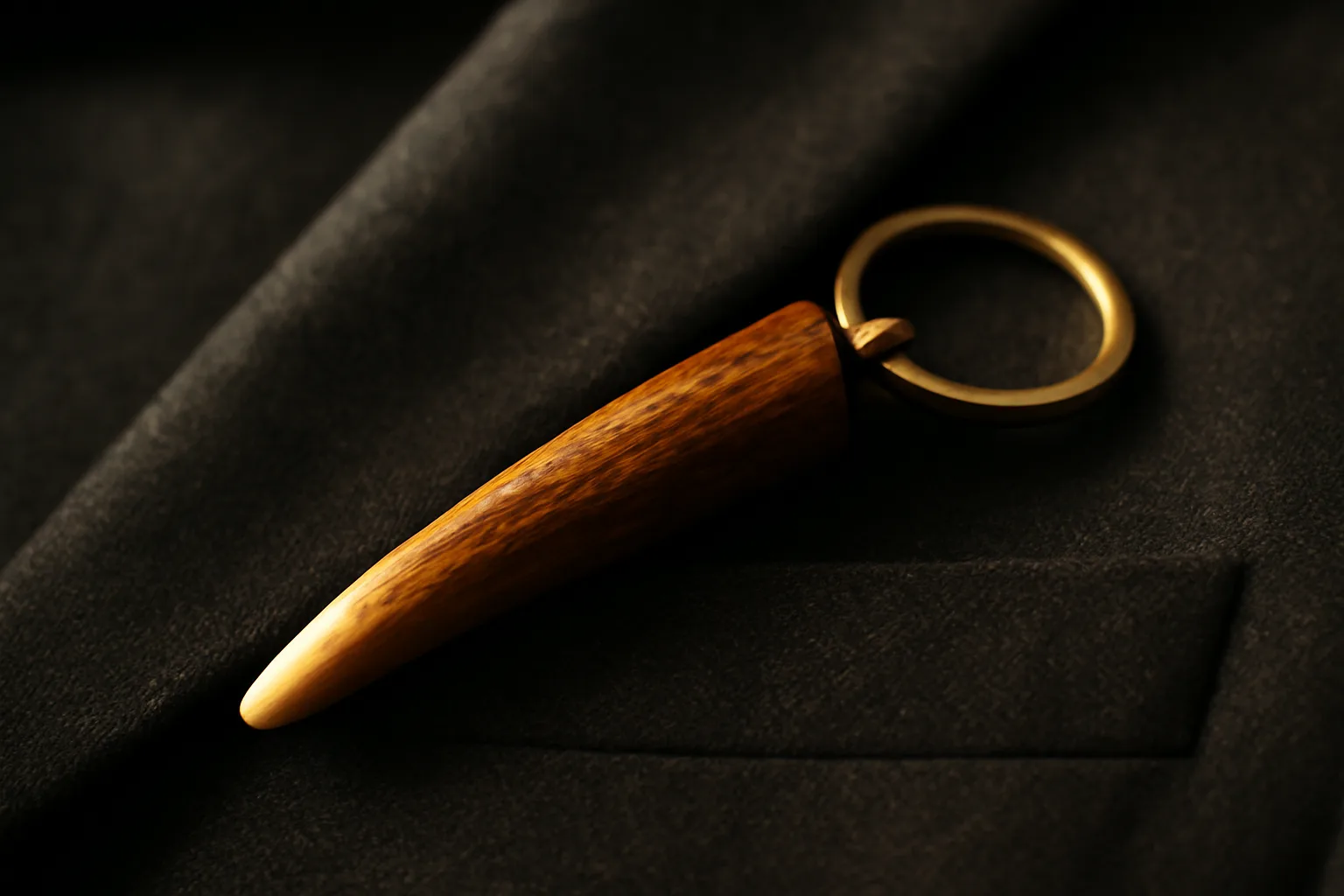
Protecting Garment Linings: The Hardness Scale of Your Key Ring
Why do keys ruin pocket linings? We explore the material science of hardness and friction, and explain how smooth, rounded deer antler offers a fabric-safe, elegant solution.
Read article →
Gifting & Occasions· 6 min read
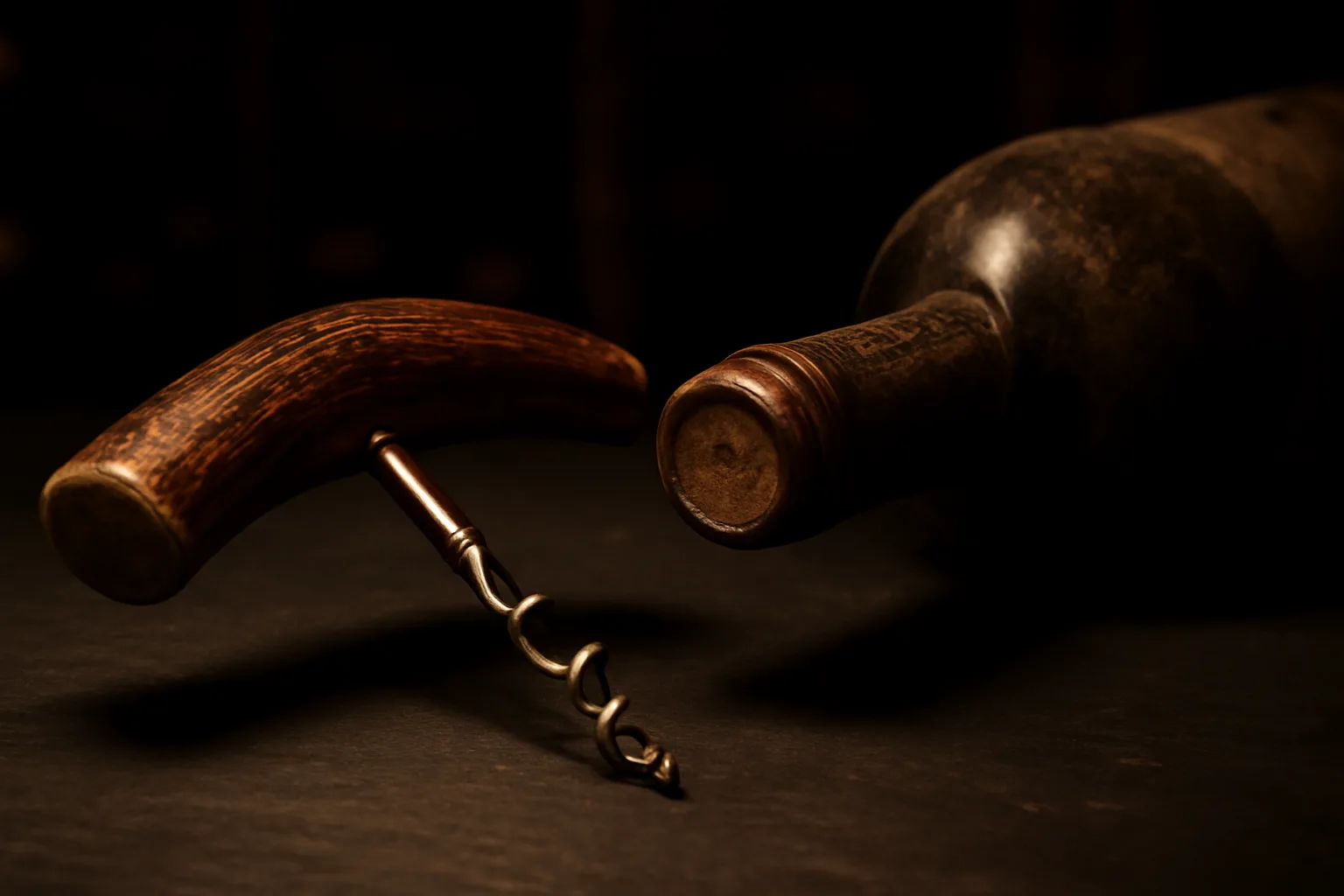
Stabilizing Dry Seals: Extracting Recessed and Stubborn Wine Corks
Learn the expert technique for extracting dry, recessed, and stubborn wine corks without ruining the wine. Discover how grip and tool design are key to success.
Read article →

Gifting & Occasions· 6 min read
Executive Gift Trends: Why High-Level Partners Prefer Tactile Office Art
Corporate gifting is shifting from plastic tech to tactile office art. We explore why modern executives value functional, analog items that serve as premium desk conversation pieces.
Read article →