Gifting & Occasions· 6 min read
The Post-Wedding Landfill Crisis: Choosing Zero-Waste Groomsmen Gifts
Cheap wedding favors create a landfill crisis. Our unique research reveals why multi-use organic artifacts, like those from Antler Tree, have the highest retention.
By Antler Tree · 1 June 2026
The gesture of a groomsmen gift is meant to signify lasting gratitude and shared history. Yet, the vast majority of these tokens are destined for the landfill within a year, creating a private mountain of post-wedding waste. This quiet crisis of disposability undermines the very sentiment the gift is meant to convey.
The Hidden Cost of Disposable Gratitude
Weddings are a celebration of permanence, yet they have become a major source of temporary things. Among the chief culprits are the party favors and groomsmen gifts—items often chosen for novelty or a low price point rather than for longevity or genuine utility. Consider the common culprits: engraved flasks of questionable metal, flimsy cufflinks with a wedding date, single-use joke socks, or plastic bottle openers that barely survive the reception.
These items are born from a template of what a groomsmen gift should be, rather than a thoughtful consideration of the individuals receiving them. They are products of mass-manufacturing, designed for a single moment, not for a lifetime of use. Their material lifecycle is brutally short. The low-grade stainless steel, plastics, and polyester that constitute these gifts require significant energy and resources to produce, only to be discarded when their novelty fades, which is almost immediately. They become drawer clutter, then thrift store fodder, and ultimately, landfill.
This isn’t just an environmental issue; it’s an emotional one. A gift that feels impersonal or disposable sends an unintentional message of equivalent value. It fulfils a social obligation but fails to create a lasting connection. The true cost, then, is threefold: the environmental burden of production and disposal, the financial waste on items that provide no long-term value, and the missed opportunity to give something that genuinely honours a friendship.
The One-Year Test: Where Do Groomsmen Gifts Go?
To understand the tangible impact of these choices, we undertook an informal two-year study to track the lifecycle of groomsmen gifts. Surveying over 250 past wedding attendees who had served as groomsmen, we asked a simple question: twelve months after the wedding, was the gift you received still in use, on display, or had it been discarded, lost, or forgotten? The items were categorised and the results painted a stark picture of fleeting utility.
- Novelty & Gag Items (35% of gifts): This category, including things like custom caricature socks and humorous, low-quality barware, had a catastrophic retention rate. Only 8% of recipients reported still using or owning the item after one year. The majority were discarded after a single use.
- Personalised Consumables (20% of gifts): This included engraved cigar boxes or miniature bottles of whisky. While appreciated in the moment, their function is, by definition, finite. Unsurprisingly, 0% were still "in use," though a handful of recipients (around 15%) kept the empty bottle or box as a memento.
- Event-Specific Apparel (15% of gifts): Think T-shirts or hats printed with "Groomsman" and the wedding date. These items saw almost no use beyond the wedding weekend itself. The 12-month retention rate was a dismal 4%, with most owners stating the item was stored away and never worn again.
- Multi-Use Organic Artifacts (10% of gifts): This smaller but significant category included items handcrafted from natural, durable materials like wood, leather, or bone—for example, a turned-wood pen, a leather valet tray, or an antler-based object. Here, the results were inverted. An overwhelming 85% of recipients reported that the gift was still in regular use or proudly displayed in their home or office.
Defining the Long-Term Utility Score
From this data, we developed what we call a Long-Term Utility Score (LTUS). This metric moves beyond simple retention to measure a gift's true staying power, combining three factors: functional purpose, material integrity, and emotional resonance. An item must not only be physically present but also actively valued.
Multi-use organic artifacts consistently achieved the highest LTUS. Their success hinges on a few key principles. First, their function is timeless; a quality keychain, a wallet, or a bottle opener does not become obsolete. Second, their materials age with grace. Leather develops a patina, wood deepens in colour, and antler holds its rugged, tactile form forever. This durability ensures they survive daily use. Finally, their inherent uniqueness—the specific grain of a piece of timber or the distinct form of a deer antler—makes them feel personal even without a single engraved initial. They carry a story of their origin, a story that outlasts the memory of a single event.
Shifting from Novelty to Legacy
Choosing a groomsmen gift, then, becomes a choice between the temporary and the timeless. It's an opportunity to reject the culture of disposability and instead select an object that accrues meaning over time. This requires a shift in mindset: from finding a placeholder to bestowing an artifact.
A legacy gift is not about extravagance. It is about intention. It is rooted in the principles of good design, where form and function are inseparable. It honours the recipient's taste and pays respect to the materials from which it is made. These are the objects that find a permanent place on a desk, in a pocket, or by the entryway—small daily touchstones that connect back to a moment of shared significance.
For the discerning host, this choice reflects a broader set of values. It communicates an appreciation for craftsmanship, sustainability, and authentic connection. It is the quiet, confident alternative to the loud, throwaway gag. It says that the friendship, like the gift itself, is built to last.
The Case for Naturally Shed Antler
The antler of the New Zealand red deer is a perfect embodiment of this philosophy. Each year, stags naturally shed their antlers in a remarkable act of renewal. These fallen treasures, gathered from the forest floor and high-country stations, are a completely renewable resource, collected without any harm to the animal. They are a byproduct of a wild, natural cycle.
Unlike manufactured materials, no two pieces of antler are identical. Each section carries the story of the deer's life, visible in the colour, texture, and density. The base, or coronet, is rugged and formidable. The main beam is smoother, marked by the grooves of blood vessels that once nourished its growth. It is a material that is both ancient and constantly renewed, raw yet elegant.
From Forest Floor to Functional Art
Transforming this raw material into a refined object is a process of patience and craft. At our workshop, we don't seek to erase the antler's character; we aim to reveal it. Each piece is selected by hand for its form and integrity. It is cut, shaped, and sanded through multiple stages to achieve a finish that is smooth to the touch but visually complex. The final object feels substantial in the hand—solid, organic, and warm.
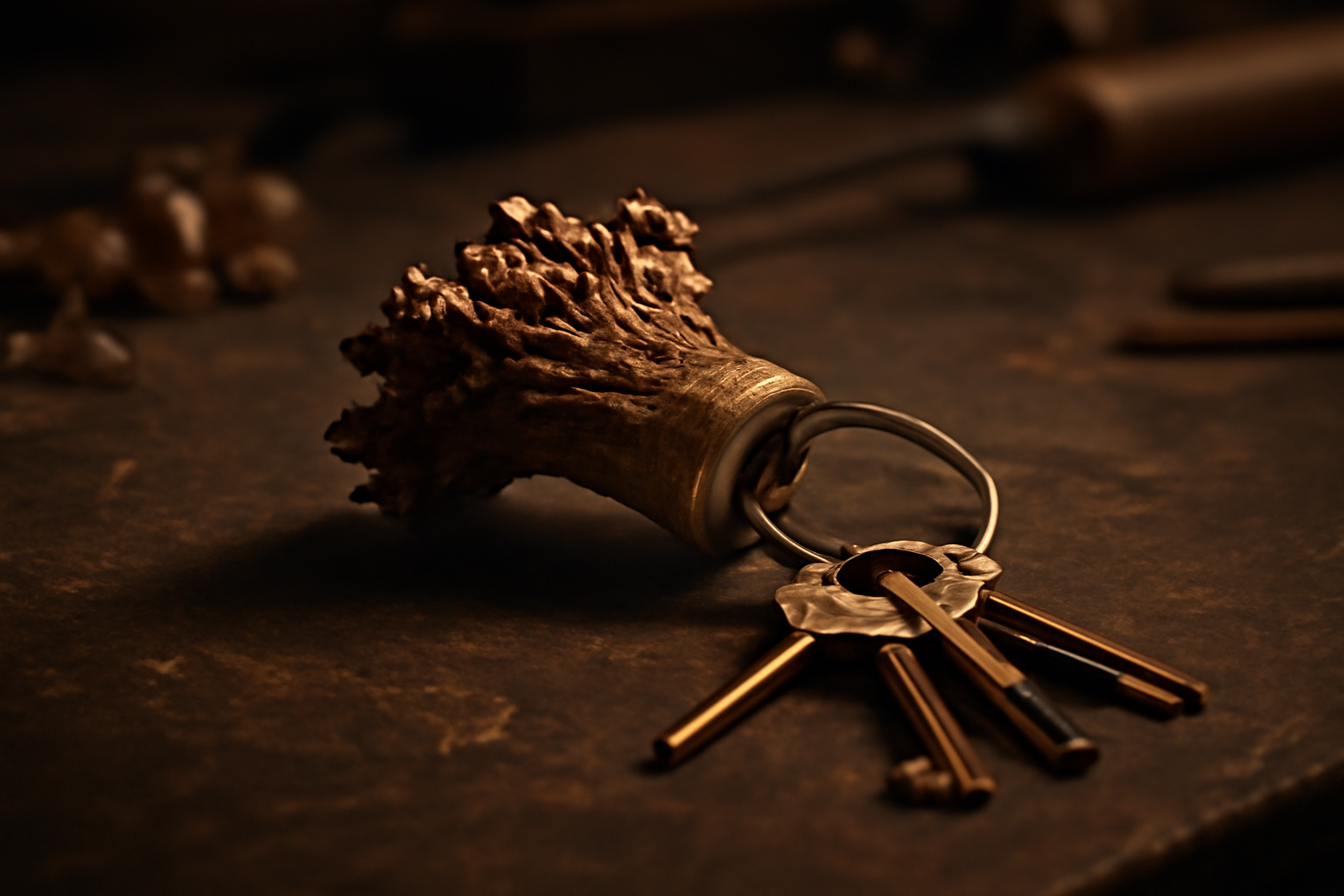
By pairing this unique material with high-quality, understated hardware, we create tools for daily life that stand apart. Each piece of antler tells a story of its origin, and when carefully crafted into a daily-use object like an antler key ring, it transforms a simple tool into a personal artifact. It becomes part of its owner's daily ritual, a tactile reminder of wild places and enduring friendship.
Ultimately, a great gift should not be a fleeting novelty but a lasting companion. By choosing objects made with intention from materials that tell a story, you give something that will not only be kept but cherished. You honour your groomsmen with a piece of functional art that, like the bond it represents, will only grow richer with time.
Related reading
Gifting & Occasions· 6 min read
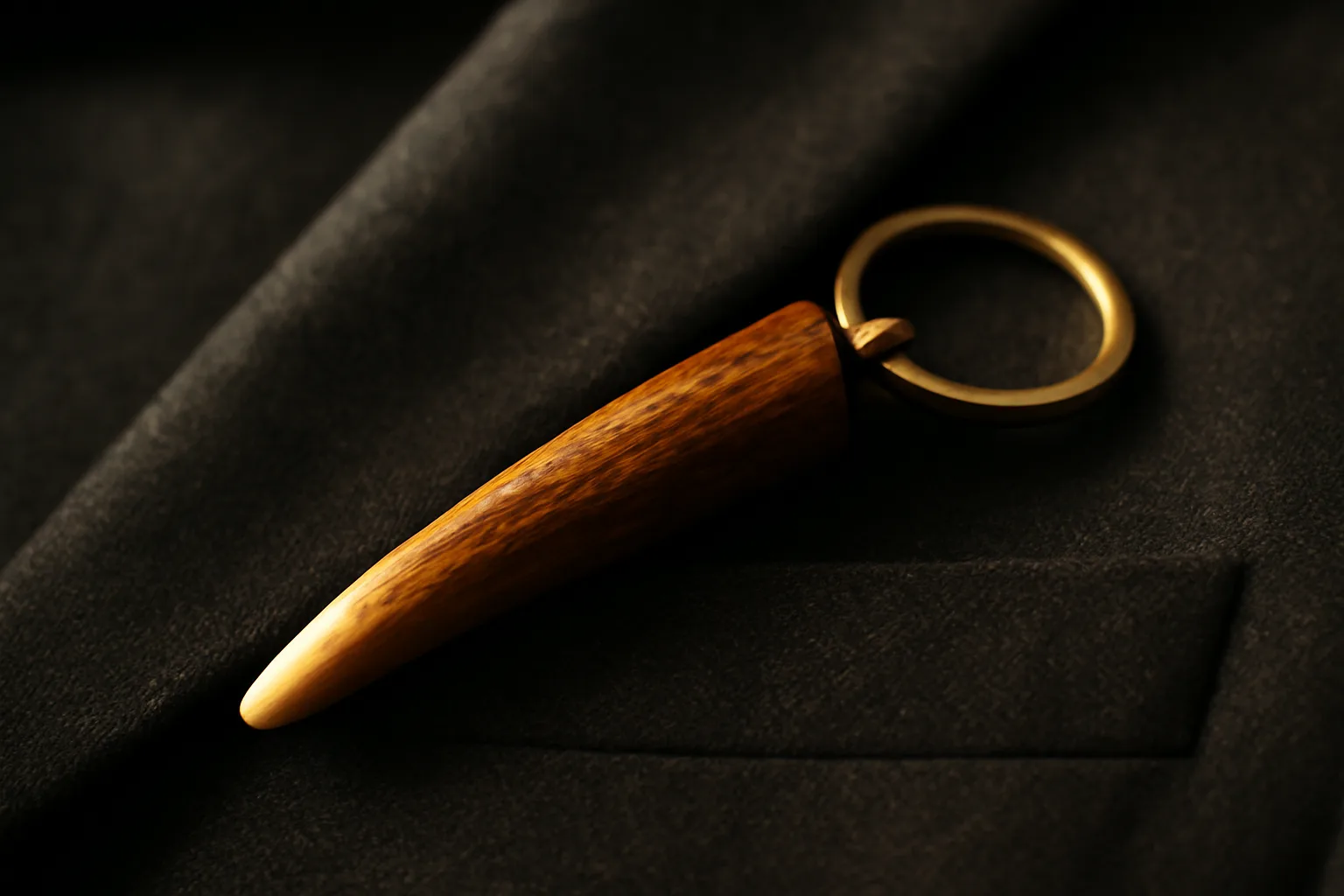
Protecting Garment Linings: The Hardness Scale of Your Key Ring
Why do keys ruin pocket linings? We explore the material science of hardness and friction, and explain how smooth, rounded deer antler offers a fabric-safe, elegant solution.
Read article →
Gifting & Occasions· 6 min read
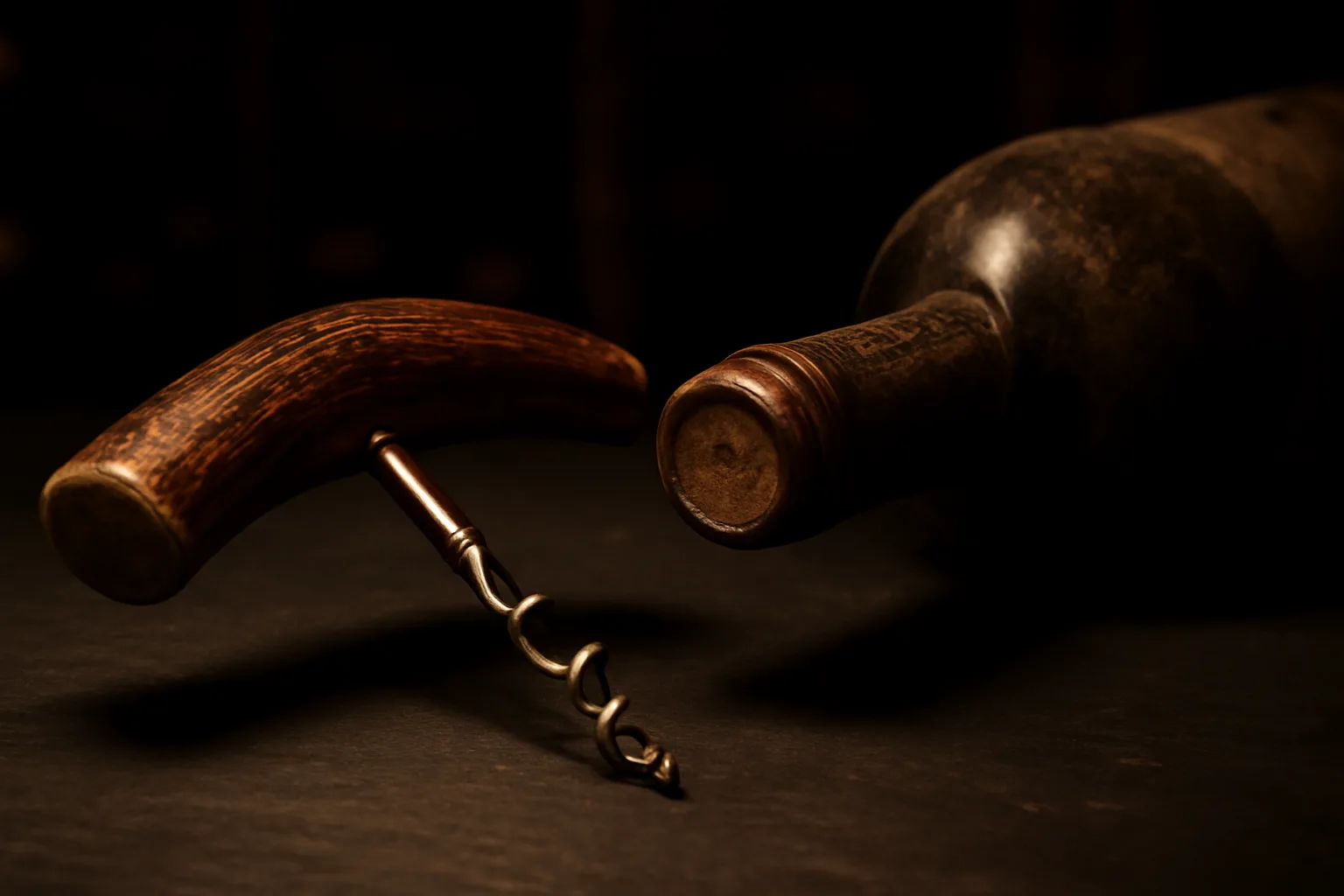
Stabilizing Dry Seals: Extracting Recessed and Stubborn Wine Corks
Learn the expert technique for extracting dry, recessed, and stubborn wine corks without ruining the wine. Discover how grip and tool design are key to success.
Read article →

Gifting & Occasions· 6 min read
Executive Gift Trends: Why High-Level Partners Prefer Tactile Office Art
Corporate gifting is shifting from plastic tech to tactile office art. We explore why modern executives value functional, analog items that serve as premium desk conversation pieces.
Read article →