Gifting & Occasions· 6 min read
The Provenance Value Matrix: Gifting Based on Origin Stories
Discover the Provenance Value Matrix, a gifting guide for those who value authenticity, ethical sourcing, and the rich stories behind handcrafted objects.
By Antler Tree · 1 June 2026
The weight of a gift is no longer measured in carats or thread counts, but in the substance of its story. For a growing number of us, true luxury is not a logo but a legible history of ethical sourcing and human touch. This shift redefines what it means to give well, moving the focus from price tag to provenance.
Beyond the Brand Name: The Rise of Provenance Value
For decades, the concept of a ‘valuable’ gift was tied to conspicuous branding and industrial perfection. Value was communicated through recognisable logos, hefty price points, and the flawless uniformity that only mass production can achieve. Yet, a quiet but powerful counter-movement is gaining ground, driven by a desire for connection, authenticity, and a deeper understanding of the objects we bring into our lives.
This is the rise of provenance value. Provenance, a term traditionally used in the art world to describe an object's history of ownership, has expanded to encompass the entire life cycle of a product: its material origins, the hands that shaped it, and the journey it took to reach you. Gifting an object with a rich provenance is an antidote to the anonymous, mass-produced item. It offers a story, a sense of place, and a connection to a specific set of values.
This desire isn’t about rejecting quality; it’s about redefining it. Quality is no longer just about flawless finishing or expensive materials. It is also about ethical integrity, sustainable practices, and the unique character that comes from small-batch craftsmanship. A gift rich in provenance feels personal and considered because it carries a narrative that resonates beyond a brand's marketing campaign. It speaks to a slower, more mindful way of living and consuming, where an object’s soul is its most prized attribute.
What Makes an Origin Story Compelling?
A compelling origin story is built on a foundation of transparency and humanity. It answers the questions that conventional luxury often ignores: Where did this come from? Who made it? Was anyone, or anything, harmed in the process? These elements transform a simple product into a meaningful artefact.
The Ethical Foundation
The story begins with the material. For an origin story to have weight, it must be grounded in ethical and sustainable sourcing. This provides the moral heart of the gift. Consider the powerful contrast between a material taken by force and one given freely by nature. This is the core of our work at Antler Tree.
The naturally shed antlers of New Zealand’s red deer are a perfect example of a material with an unimpeachable ethical foundation. Every year, as part of a healthy, natural cycle, male deer shed their antlers after the roar. These antlers, which are true bone, are left on the forest floor, eventually to be reclaimed by the ecosystem. By gathering these shed antlers by hand, we are collecting a renewable resource without causing any harm to the animals. The story of the gift, then, begins not in a mine or a factory, but in the quiet wilderness of Aotearoa, tied to the seasons and the natural life cycle of a magnificent creature.
The Human Element
Once the material is sourced, the focus shifts to the maker. In a world of automated assembly lines, the touch of a human hand has become a mark of true luxury. The small imperfections, the subtle variations between one piece and the next, are not flaws; they are the signature of the artisan. They are evidence that someone with skill, patience, and a deep respect for the material spent time bringing the object to life.
A compelling story highlights this human element. It introduces the workshop, the tools, and the craftsperson. It speaks to the knowledge passed down or the unique techniques developed to work with a specific material. When a gift comes from a small studio rather than a vast production network, its story is intimate and knowable. It connects the recipient not just to an object, but to the person and the passion behind it.
The Provenance Presentation: A Framework for Gifting
Giving a gift with a great origin story is only half the task. The other, equally important half, is presenting that story. This act of narrative generosity is what elevates the gift from a beautiful object to a profound gesture. Instead of letting the recipient simply unwrap an item, you are inviting them into its history. Here is a simple, three-part framework for sharing a gift's provenance.
1. The Material's Journey
Begin with the raw material. Don't just say what it is; describe its journey. Frame it as a narrative that predates the object itself. When gifting a piece made from naturally shed antler, for example, your presentation can paint a vivid picture.
Start by explaining the natural cycle. Describe how the antler was once part of a living red deer roaming the untamed landscapes of New Zealand. Explain that it was shed naturally and harmlessly, a gift from the wild. You can mention the specific season, late winter, when this occurs. This context immediately imbues the material with a sense of wonder and respect for nature. You are communicating that its value isn’t derived from rarity in the traditional sense, but from its connection to a wild and beautiful process.
2. The Maker's Touch
Next, bridge the gap from the raw material to the finished piece. Talk about the transformation and the hands that guided it. This is where you share the story of the craftsmanship. You can describe how each piece of antler is unique, with its own texture, colour, and density––a stark contrast to synthetic, uniform materials.
Explain how artisans in the workshop study each piece before deciding how best to honour its natural form. Mention the specific, tactile processes: the careful hand-sawing, the patient sanding that brings out the antler’s inner grain, the polishing that gives it a smooth, warm finish. This part of the story highlights that the object wasn't stamped out by a machine; it was revealed from a natural form by a skilled individual. It celebrates expertise and patience over speed and volume.
3. The Object's New Narrative
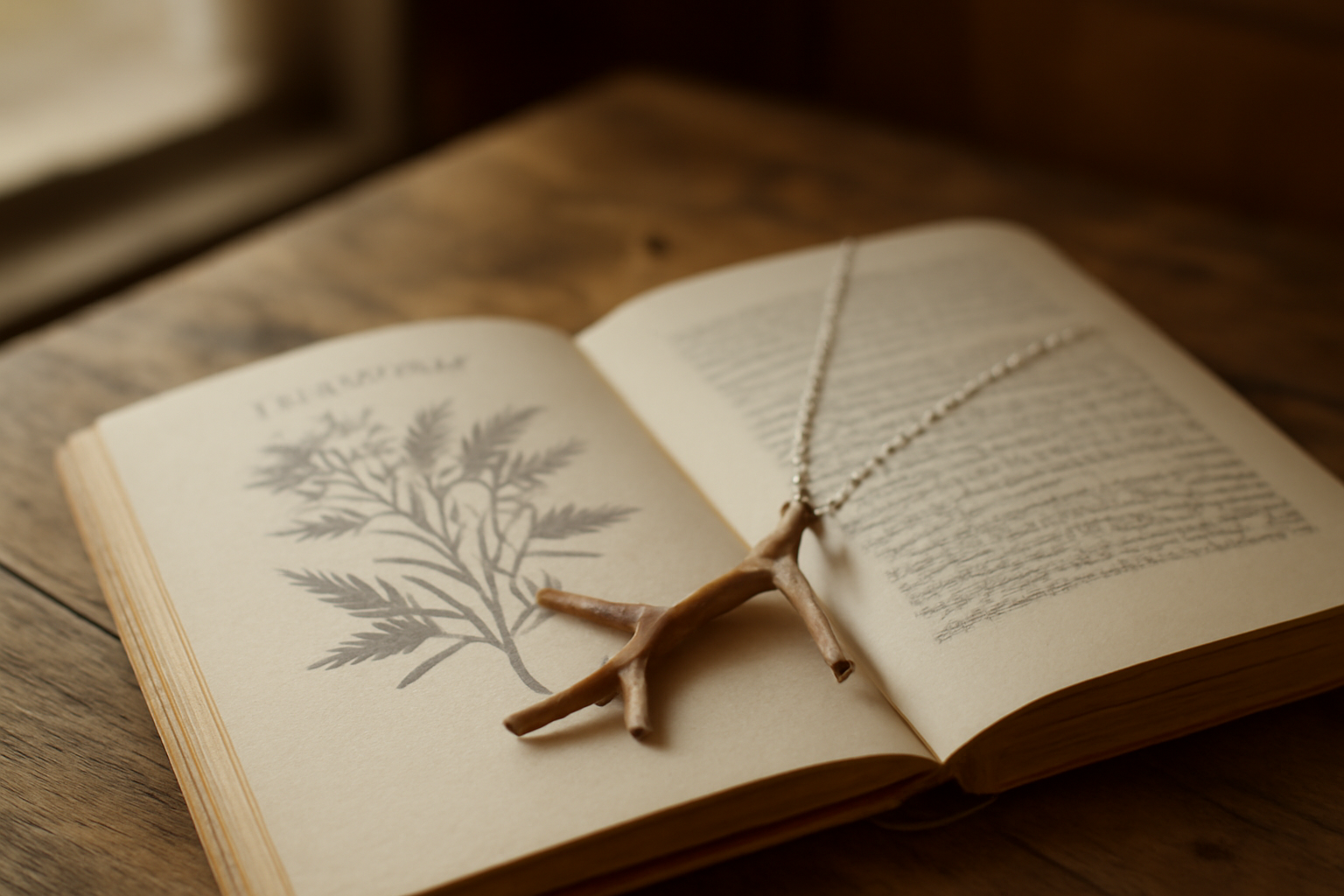
Finally, connect the gift's past to the recipient's present. Explain how the object is not an endpoint but the beginning of a new chapter in its story. By owning and using the gift, the recipient becomes the next custodian of its narrative. A piece like a simple, elegant antler necklace is not merely an ornament; it’s a tactile reminder of a natural cycle and a maker's skill, a story that continues with its new owner. It becomes a conversation starter, a personal talisman, or a quiet, daily connection to a world of craft and nature. This final step transforms the recipient from a passive consumer into an active participant in the object’s ongoing journey.
Identifying Provenance-Rich Gifts
Once you begin looking for it, you will see provenance everywhere. This framework isn’t limited to antler; it can be applied to a wide array of thoughtful gifts. To find them, you must become a more curious and discerning shopper. Here are a few things to look for:
- Transparency: Does the brand or maker openly share where their materials come from? Do they provide specific details about the location, the methods of harvesting, and the ethics of their supply chain? Vague terms like “globally sourced” are a red flag; look for specificity.
- The Maker's Story: Is there an “About Us” or “Our Process” section that introduces you to the people behind the products? Honest brands are proud of their craftspeople and are happy to share their stories. Look for names, faces, and details about their workshop and techniques.
- Material Integrity: Does the brand celebrate its chosen material? Do they educate you about its properties, its history, and why they chose to work with it? Passion for the material itself is a strong indicator of a provenance-rich product.
Think of the single-origin coffee bean with the farmer’s name on the bag, the hand-thrown ceramic mug with the potter’s mark on the bottom, or the heritage wool blanket with a story of the specific flock of sheep it came from. These objects all carry the same kind of value—a clear, compelling, and authentic origin story that makes them more than just things.
Choosing a gift for its provenance is an act of deep consideration. It demonstrates that you have invested not just money, but time and thought into finding something truly meaningful. It is a gift that doesn’t just say, “I was thinking of you,” but rather, “I found a beautiful story, and it made me think of you.” It honors the recipient's intelligence and values, creating a connection that will last far longer than the fleeting trend of a luxury logo. Explore the story, and you will find the perfect gift.
Related reading
Gifting & Occasions· 6 min read
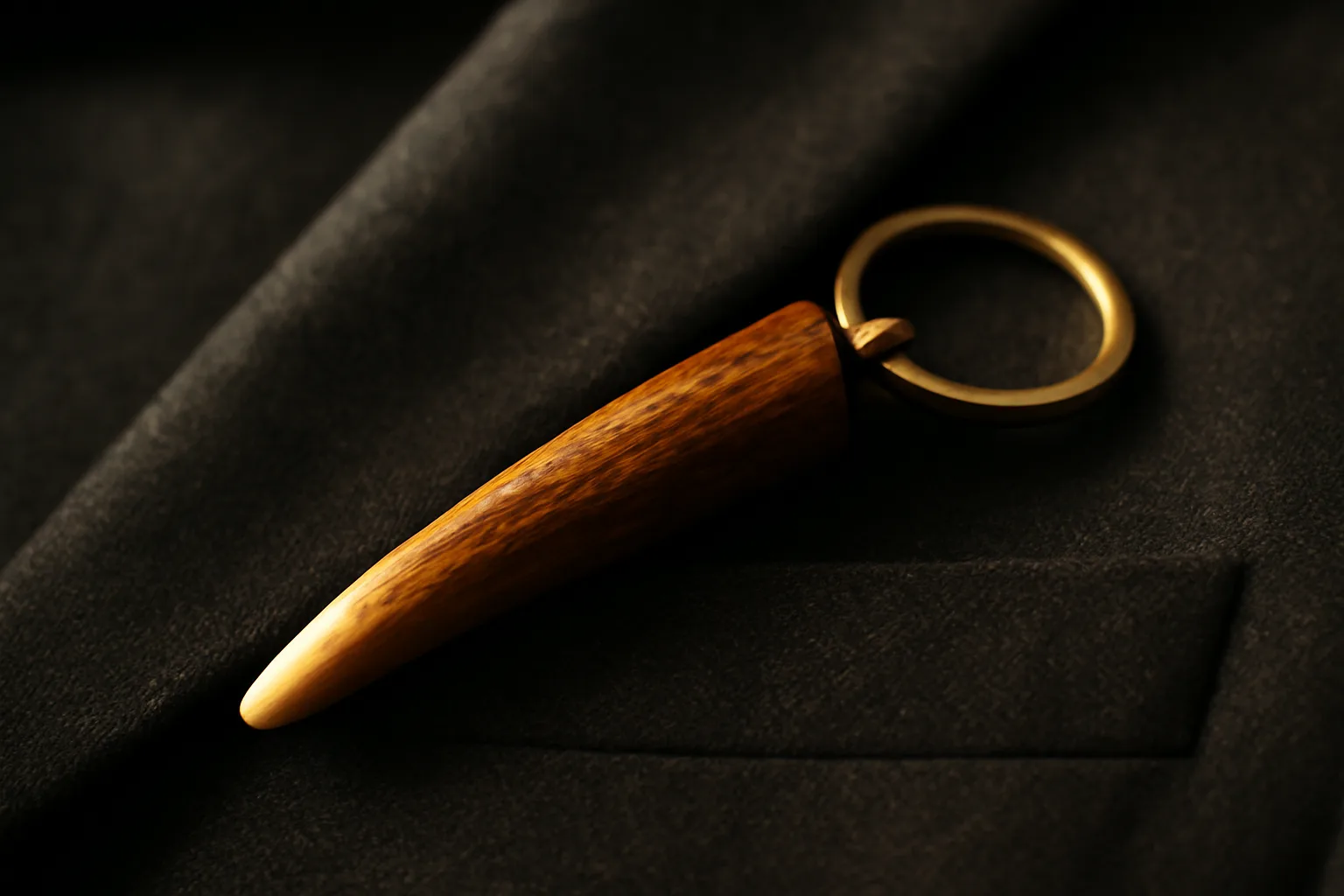
Protecting Garment Linings: The Hardness Scale of Your Key Ring
Why do keys ruin pocket linings? We explore the material science of hardness and friction, and explain how smooth, rounded deer antler offers a fabric-safe, elegant solution.
Read article →
Gifting & Occasions· 6 min read
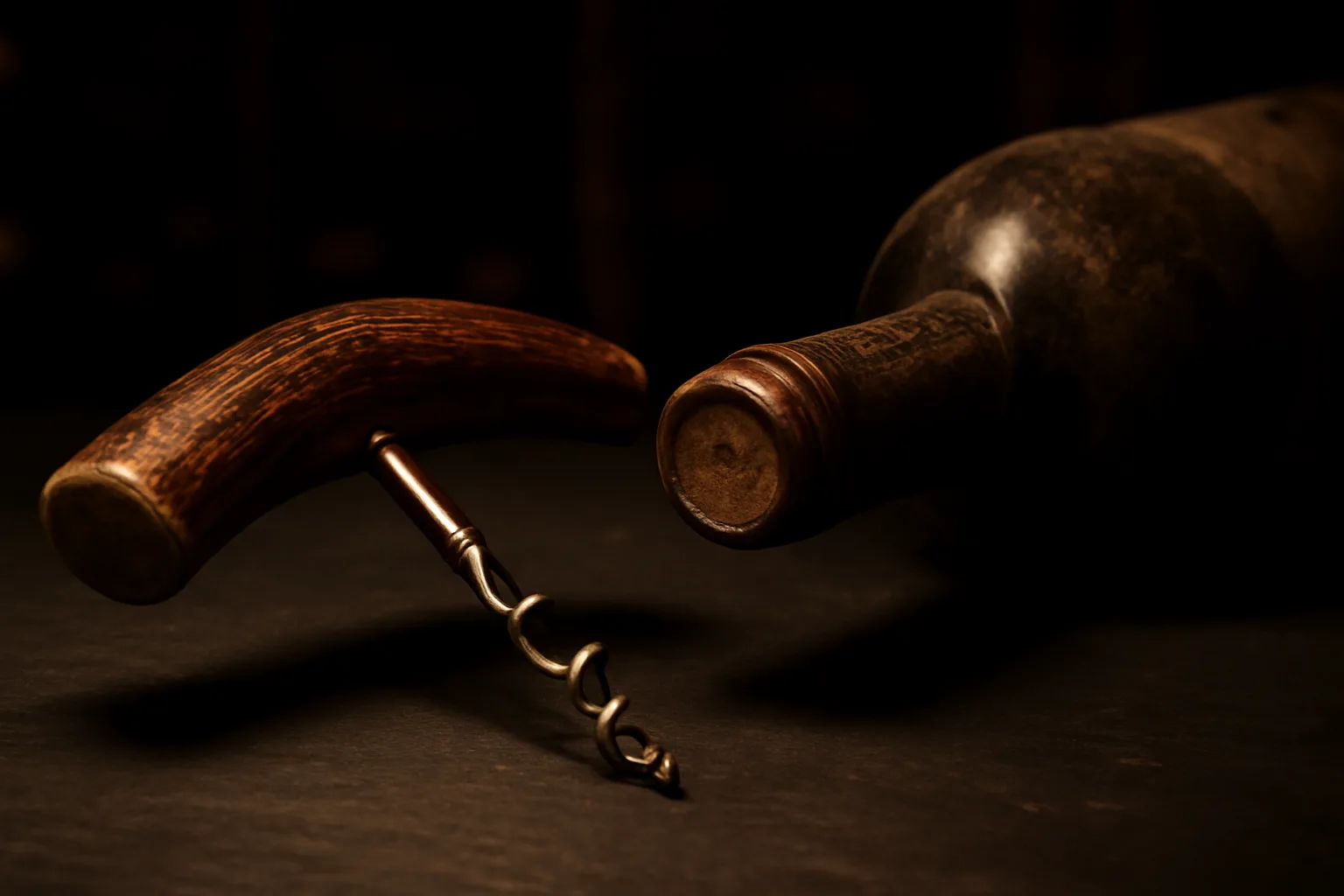
Stabilizing Dry Seals: Extracting Recessed and Stubborn Wine Corks
Learn the expert technique for extracting dry, recessed, and stubborn wine corks without ruining the wine. Discover how grip and tool design are key to success.
Read article →
Gifting & Occasions· 6 min read
Executive Gift Trends: Why High-Level Partners Prefer Tactile Office Art
Corporate gifting is shifting from plastic tech to tactile office art. We explore why modern executives value functional, analog items that serve as premium desk conversation pieces.
Read article →