Gifting & Occasions· 6 min read
The Refined Hunter’s Study: Interior Design Elements That Avoid Cliché
A style guide for a modern home office with refined wildlife elements. Learn to avoid cliché and use 'organic accents'—functional artifacts that ground your space.
By Antler Tree · 1 June 2026

The traditional hunter’s study, with its heavy wood panelling and walls of glassy-eyed trophies, feels like a relic from another era. While the spirit of the outdoors still calls to us, the modern aesthetic demands a more refined, integrated approach. True style lies not in loud declarations but in quiet confidence, expressed through curated objects that tell a story of material and craft.
Beyond the Trophy Wall: A New Aesthetic for the Modern Study
To decorate with natural elements today is to practice restraint. The goal is to evoke a feeling—of groundedness, of connection to the wild—without turning your personal space into a thematic exhibit. This new approach moves away from the static, domineering presence of taxidermy and toward a subtler language of texture, form, and function. The essence of the outdoors is captured not in a frozen moment of conquest, but in the living materials we choose to surround ourselves with.
Consider the palette of a contemporary office: clean lines, neutral tones, and an emphasis on light and space. Within this framework, natural materials act as essential points of warmth and character. A well-oiled walnut desk, a worn leather chair, or a cool slate coaster provides a necessary tactile counterpoint to the smoothness of glass and steel. This is the environment where an element like antler can truly shine. Sourced ethically from naturally shed New Zealand red deer, antler is not a symbol of the hunt itself, but a beautiful, renewable remnant of the animal's life cycle. Its unique grain, weight, and warmth in the hand make it a compelling material for objects that are meant to be held and used, not just observed from afar.
The Principle of "Organic Accents": Grounding Your Space with Functional Art
At the heart of this refined aesthetic is a spatial concept we call “organic accents.” It's a philosophy built on the belief that the most powerful way to incorporate natural elements into a space is through functional, beautiful artifacts that integrate into your daily life. It is the definitive shift from passive wall decoration to active tabletop engagement, and the difference is profound.
The Pitfall of Passive Displays
A large set of antlers or a mounted animal head is a passive display. It hangs on the wall, demanding to be the room's primary focal point. By its very nature, it is theatrical. It occupies a significant volume of visual space; a mature stag’s antlers can easily span 1.2 metres, commanding a focal area of over a square metre on a key wall. This creates a singular, and often overbearing, narrative for the entire room. Such pieces have immense visual weight, and in a multi-use space like a home office, this can feel distracting and spatially inefficient. They create what designers call a “look-but-don’t-touch” zone, a piece of decor that you can never interact with, which ultimately limits its ability to create a deep, personal connection.
The Power of Tabletop Artifacts
Organic accents, by contrast, are objects of utility. They are designed to be picked up, used, and appreciated through touch. A letter opener, a magnifying glass, a heavyweight pen, or a valet tray—when crafted from natural materials, these items transform mundane tasks into small, grounding rituals. Their power lies in their discretion. Instead of one large statement piece dominating a wall, imagine three to five smaller, functional objects arranged artfully on a desk or bookshelf. Combined, their physical footprint might be less than 0.2 square metres, a fraction of the space taken by a wall mount. Yet their impact is far greater.
This approach invites curiosity and discovery. A visitor does not see the theme of the room at a glance; they discover it slowly, by noticing the unique handle on a tool or the intricate texture of a desktop piece. An object like a handcrafted Antler Bottle Opener, for instance, does more than just perform a task. As you close your laptop at the end of the day and reach for it, its weight and organic form connect you, for a brief moment, to the wild landscape it came from. This daily, tactile interaction forges a far more meaningful bond with the material and its story than a static object on a wall ever could.
Material Harmony: Pairing Antler with Modern Finishes
The beauty of naturally shed antler is its versatility. It is an organic material that pairs surprisingly well with a wide range of modern and classic finishes, allowing you to tailor the aesthetic to your personal style. The key is to think in terms of contrast and complement.
For a space that leans toward the traditional, pair antler with dark, rich materials. A desk of polished mahogany or deep walnut provides a classic foundation. Accents of aged brass or dark leather alongside the creamy, textured surface of a piece of antler create a sense of history and permanence. The result is a room that feels established, wise, and deeply comfortable.
For a more contemporary or even Scandinavian-inspired study, the approach is different. Here, antler provides a rugged, organic counterpoint to clean lines and minimalist finishes. Imagine an antler-handled piece resting on a light oak surface or a polished concrete shelf. Paired with brushed stainless steel, matte black fixtures, or fine woolen textiles, the antler becomes a point of focused, natural texture in an otherwise sleek environment. The inherent character of New Zealand red deer antler—known for its density and unique colour variations—prevents the space from feeling sterile, adding a signature touch that is both rustic and sophisticated.
Curating Your Collection: Less is More
Building a refined study is an exercise in curation, not accumulation. The aim is to create a calm, focused workspace, not a cabinet of curiosities. A cluttered desk leads to a cluttered mind. Therefore, every object should earn its place, either through its undeniable function or its unique beauty—and ideally, both.
Begin by choosing a few key pieces. Start with your primary work area: the desk. What tools do you reach for every day? A high-quality pen, a letter opener, a place for your keys. Upgrading these functional items to handcrafted versions made from materials you love is the first step. Look for a unifying thread. Perhaps you are drawn to the pairing of antler and polished steel, or maybe you prefer the warmer combination of antler and brass. Following this thread will ensure your collection feels cohesive rather than random.
Most importantly, choose pieces with a story. An object handmade in New Zealand from naturally shed antler carries a narrative of place, of sustainability, and of masterful craft. It is more than just a beautiful thing; it is a conversation starter and a quiet reminder of a world beyond your screen. This connection to story and purpose is what transforms a simple room into a personal sanctuary.
Ultimately, designing a modern study with a nod to the wild is about finding balance. It's about celebrating nature not as a trophy, but as an integral source of inspiration, texture, and functional beauty. By focusing on well-crafted, useful objects, you create a space that is not only stylish and uncluttered but also deeply and authentically your own.
Related reading
Gifting & Occasions· 6 min read
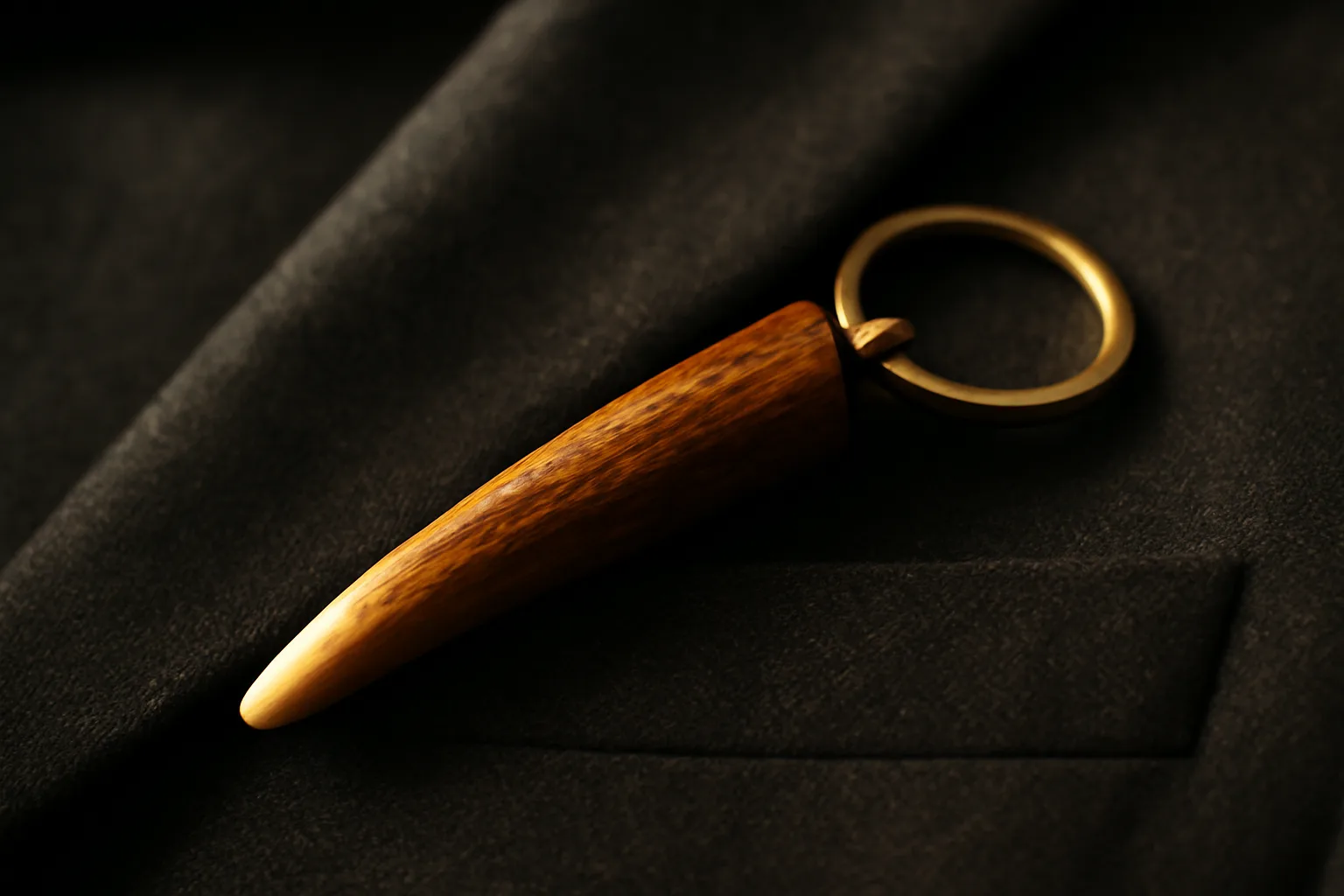
Protecting Garment Linings: The Hardness Scale of Your Key Ring
Why do keys ruin pocket linings? We explore the material science of hardness and friction, and explain how smooth, rounded deer antler offers a fabric-safe, elegant solution.
Read article →
Gifting & Occasions· 6 min read
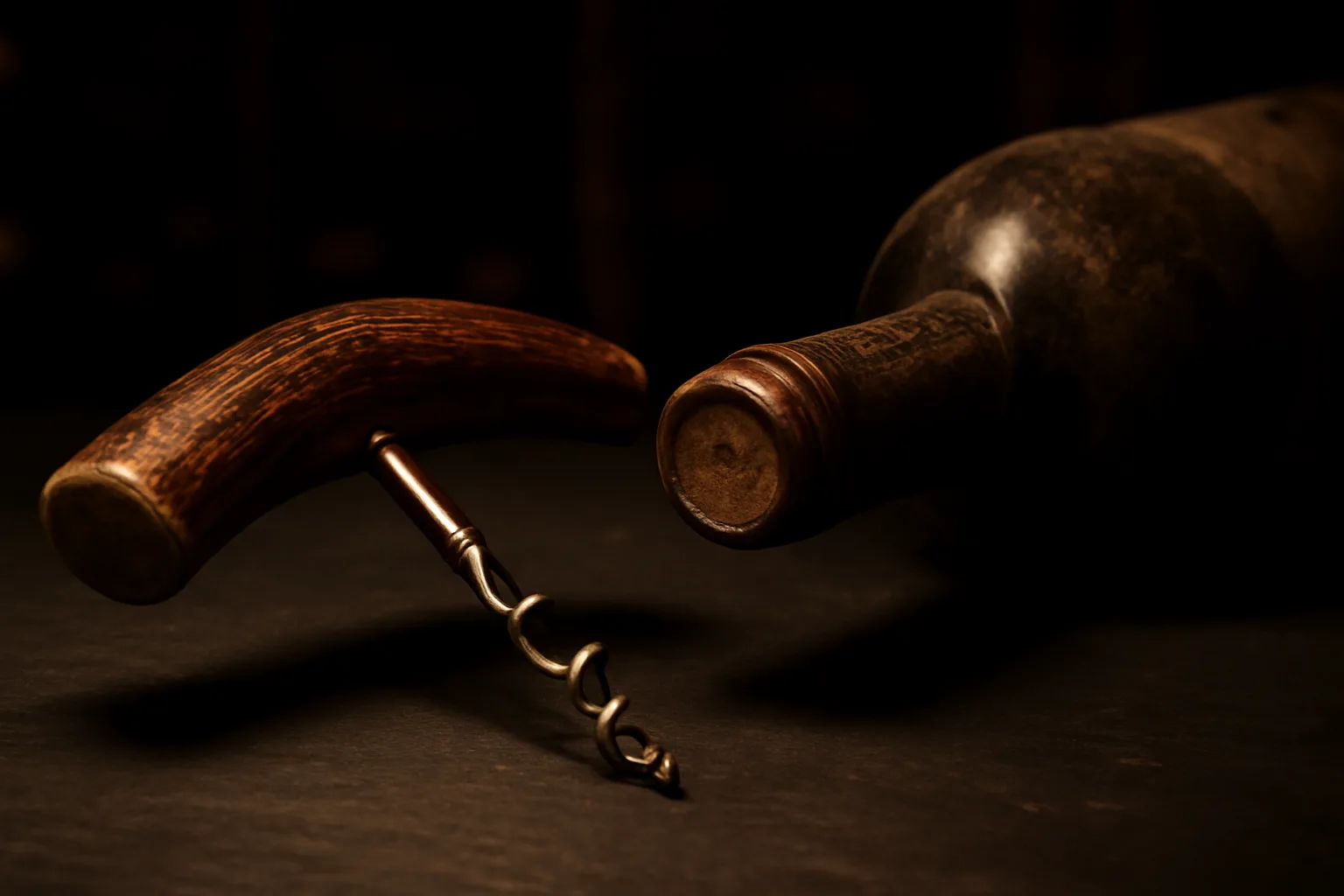
Stabilizing Dry Seals: Extracting Recessed and Stubborn Wine Corks
Learn the expert technique for extracting dry, recessed, and stubborn wine corks without ruining the wine. Discover how grip and tool design are key to success.
Read article →
Gifting & Occasions· 6 min read
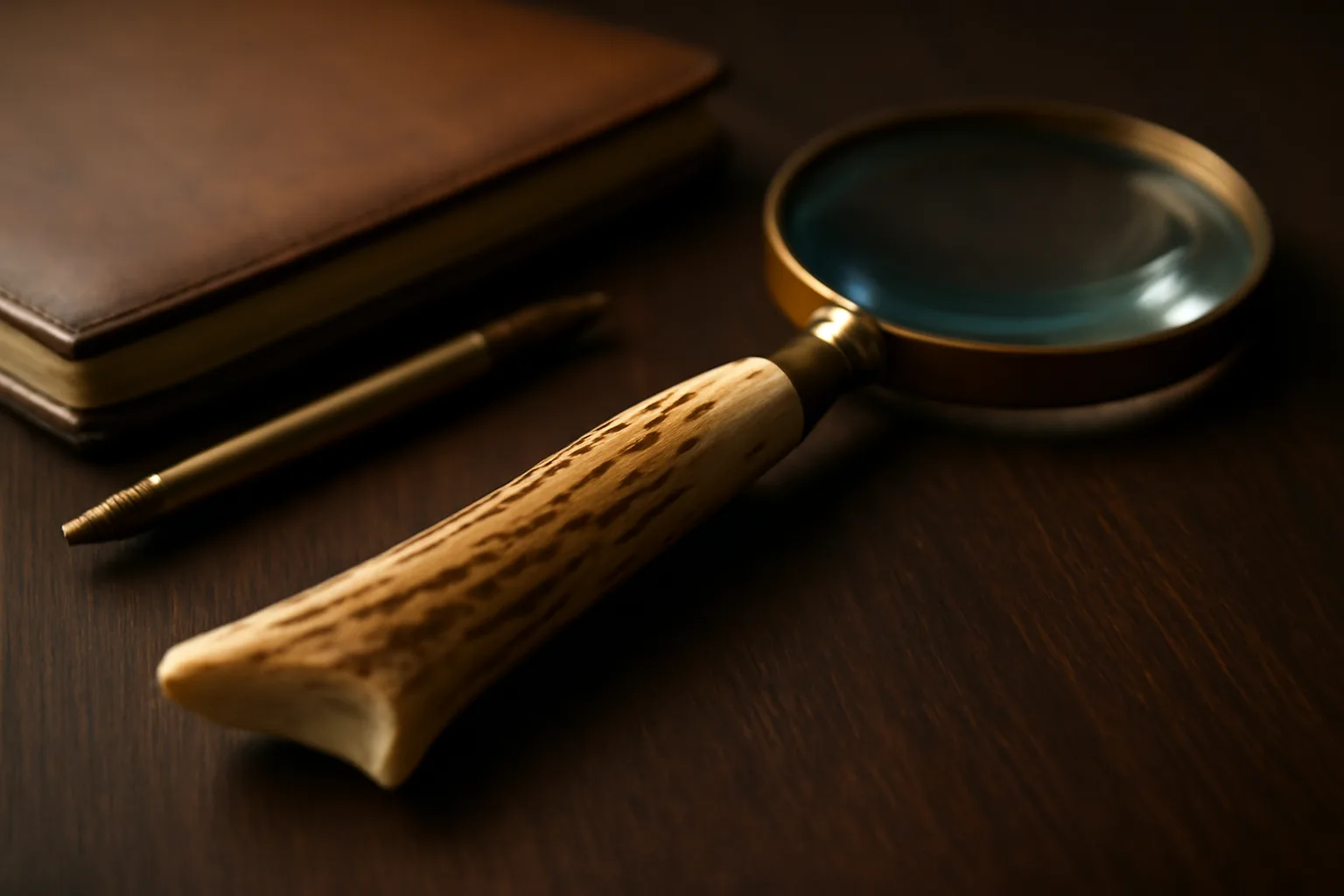
Executive Gift Trends: Why High-Level Partners Prefer Tactile Office Art
Corporate gifting is shifting from plastic tech to tactile office art. We explore why modern executives value functional, analog items that serve as premium desk conversation pieces.
Read article →