
Gifting & Occasions· 6 min read
Winter Charcuterie Styling: Pairing Heavy, Robust Profiles
A guide to crafting the perfect winter cheese board. Explore robust cheese pairings, hearty accompaniments, and architectural styling tips for a rustic, memorable spread.
By Antler Tree · 1 June 2026
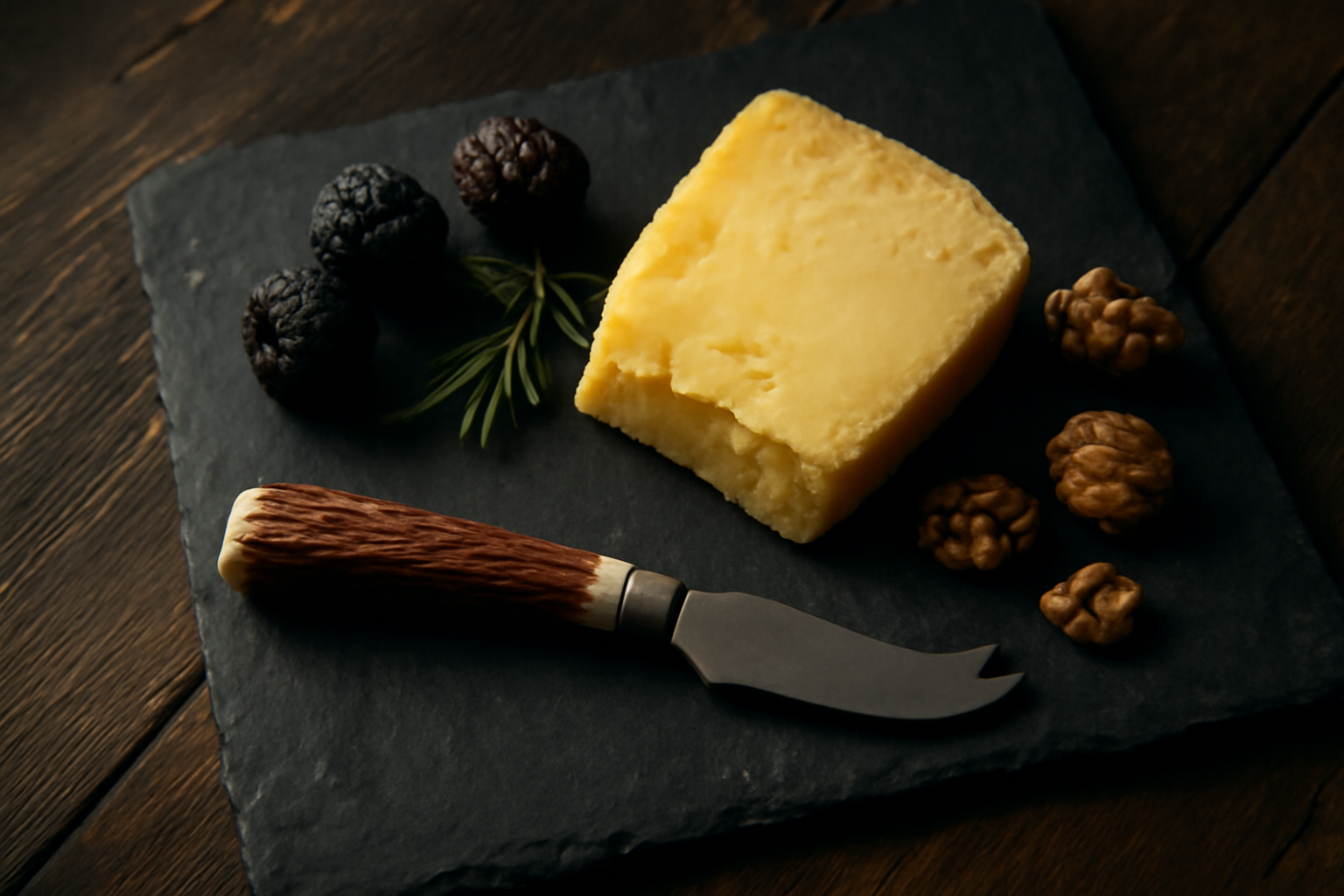
As the days shorten and a distinct chill graces the air, our approach to hosting shifts. We trade the light, breezy fare of summer for something more substantial, more grounding. There is no greater centrepiece for a winter gathering than a well-appointed cheese board, laden with rich, robust flavours that speak to the season's quiet depth.
The Foundation: Selecting Winter Cheeses
The soul of a winter board is its cheese. This is the time to embrace complexity, age, and intensity. Move away from fresh, fleeting options and towards cheeses that have been given the gift of time. A thoughtful selection should offer a journey through different textures and flavour profiles, anchored by a common thread of richness.
Consider a trio or quintet of cheeses as your starting point. Aim for variety:
-
A Hard, Aged Classic: This is your anchor. An English farmhouse cheddar, aged for at least two years, offers a crumbly texture and sharp, nutty notes with those delightful crystalline crunches. A Spanish Manchego Viejo, made from sheep's milk, provides an intense, zesty flavour and a firm, buttery texture.
-
A Potent Blue: Winter demands a bold blue cheese. A classic English Stilton is creamy yet sharp, with a distinct minerality. For something even more intense, a Gorgonzola Piccante from Italy offers a spicy, powerful bite that stands up to the strongest accompaniments.
-
A Washed-Rind Wonder: Often known as 'stinky' cheeses, washed-rind varieties develop a deep, savoury, and earthy complexity from being washed in brine, wine, or spirits during the aging process. A French Époisses or a Taleggio offers a pungent aroma that gives way to a surprisingly mellow, creamy, and almost meaty flavour. They are challenging and deeply rewarding.
-
An Earthy, Bloomy Rind: While a young brie might feel too light, an aged Camembert or a triple-cream cheese like Saint-André can work beautifully. Look for one that is ripe and gooey, with a pronounced mushroomy, earthy savour that complements the rustic theme.
When selecting, let the cheeses come to room temperature for at least an hour before serving. This simple step is not optional; it unlocks the full spectrum of their aroma and flavour, transforming them from cold, muted blocks into expressive, complex characters.
Hearty Accompaniments: Beyond the Water Cracker
A robust cheese board requires accompaniments that can hold their own. Delicate water crackers will be lost here. Instead, think about texture, spice, and concentrated flavour.
The vessel for your cheese should be as sturdy as the cheese itself. Offer slices of dense, dark bread like German pumpernickel or a hearty rye. Seeded crackers with flax, sesame, and rye flour add a nutty, textural crunch. Grissini, or Italian breadsticks, can add a welcome vertical element to your board's architecture.
Next, introduce sweetness and acidity to cut through the richness of the fat. Winter fruits are your allies. A dollop of fig jam or a thick quince paste (membrillo) is classic for a reason; their concentrated sweetness is the perfect foil for salty, aged cheese. For fresh options, thinly sliced pear or crisp apple adds a juicy, clean counterpoint. Dried fruits like apricots, dates, and sour cherries offer a chewier, more intense sweetness.
For a savoury, fatty element, include a small selection of cured meats. A thinly sliced prosciutto di Parma or a flavourful salami provides a different dimension of salt and spice. To add crunch and depth, turn to nuts. Spiced pecans, toasted walnuts, or Marcona almonds add a buttery, earthy note that marries beautifully with aged cheeses. For a final, unexpected touch, include a piece of high-quality dark chocolate (70% cacao or higher). Its slight bitterness is a surprising and sophisticated partner for a sharp blue cheese.
The Architecture of a Rustic Board
A truly memorable cheese board appeals to the eye before it ever reaches the palate. Generic advice to 'fill the gaps' is not enough. To create a rustic, abundant aesthetic that feels both natural and intentional, think like an architect, creating a miniature landscape on your platter.
This approach begins with your choice of surface. A large, dark piece of slate or a thick, reclaimed wood board with a live edge provides the ideal canvas. These materials have their own raw, natural texture that echoes the rustic theme and makes the colours of the food appear more vibrant.
Foundational Forms
Your cheeses are the mountains and monoliths of this landscape. Place them first. Never line them up in a neat row. Instead, create a sense of dynamic energy.
-
The Wedge: Place wedges at an angle, perhaps 30 or 45 degrees, rather than sitting flat. This exposes different faces and creates visual interest. For a large wedge of cheddar, use the tip of a knife to pre-break off a few crumbles from the main block, suggesting abundance and inviting guests to dig in.
-
The Round: A whole round, like a Camembert or small washed-rind cheese, should have its first slice already cut, with the knife left in place. This is a crucial gesture of hospitality. Position the cut wedge slightly away from the main wheel to create an inviting opening.
-
The Log: A log of goat cheese should be sliced into a few preliminary medallions at one end. This breaks the static line and provides an easy first serving.
Distribute these foundational forms across the board, leaving significant negative space between them. This is the 'land' you will now cultivate.
Creating Flow and Texture
Now, you can 'pour' and 'place' your accompaniments to create movement and texture.
-
Liquid & Semi-Liquid Flows: Think of your jam, honey, or quince paste as rivers or pools. Decant them into small ceramic or stone ramekins. Better yet, for a truly organic feel, spoon a thick jam directly onto the board and let it flow between two 'mountains' of cheese, creating a 'river' that connects different elements. Drizzle honey directly over a wedge of blue cheese, letting it pool at the base.
-
Textured Fills: Use your nuts, crackers, and dried fruit as the 'boulders,' 'scree,' and 'groundcover' of your landscape. Create a 'river' of crackers snaking through the centre of the board. Tumble a pile of walnuts into a corner, letting them spill over the edge of a cheese wedge. Arrange sliced pears like a fanned-out rockslide. The key is to create dense clusters and winding paths rather than small, isolated piles.
This architectural approach ensures every part of the board is visually connected, creating a tableau of rustic abundance that feels both generous and artfully composed.
The Tools of the Trade: Materiality and Function
The final layer of a considered cheese board is the tools you provide. Their material and form are not just a practical matter; they are part of the story. A mismatched set of household knives can undo the entire rustic aesthetic you have so carefully built.
Seek out tools that share a material language with your board and its contents. Small spoons made of olivewood, tiny forks with horn handles, or ceramic ramekins for jams all contribute to a cohesive experience. Above all, the cheese knife itself should be an object of consideration. A proper knife must be sharp enough for a hard cheddar and shaped to handle a soft brie.
The right utensil not only performs its function but completes the aesthetic narrative. A knife with a handle of polished, hand-gathered antler, for example, does more than just slice cheese; it connects the platter to the wild, rugged landscapes that inspire this style of hosting. Investing in a quality tool like the hand-forged Antler Cheese Knife brings a piece of that unique New Zealand story directly to your table, its form born from the very same spirit of natural, untamed beauty.
Perfect Pairings: Winter Wines and Ales
To complete the experience, your beverage selection should match the intensity of the board. A full-bodied red wine like a Cabernet Sauvignon, Malbec, or a spicy Syrah has the structure to stand up to aged cheddar and cured meats. For the pungent blues and washed-rind cheeses, a fortified wine is an exceptional choice. A glass of Port, with its raisin and spice notes, creates a truly harmonious pairing. Alternatively, a dark, malty Stout or a Belgian-style Dubbel ale offers a roasty, slightly sweet counterpoint that beautifully complements the entire spread.
Crafting a winter cheese board is an act of thoughtful composition. It is about more than just food; it is about creating a warm, inviting focal point that encourages guests to slow down, share, and savour the deep, comforting flavours of the season. With a focus on robust profiles and a nod to architectural design, your board becomes an expression of hospitality, a landscape of flavour waiting to be explored.
Related reading

Gifting & Occasions· 6 min read
Protecting Garment Linings: The Hardness Scale of Your Key Ring
Why do keys ruin pocket linings? We explore the material science of hardness and friction, and explain how smooth, rounded deer antler offers a fabric-safe, elegant solution.
Read article →

Gifting & Occasions· 6 min read
Stabilizing Dry Seals: Extracting Recessed and Stubborn Wine Corks
Learn the expert technique for extracting dry, recessed, and stubborn wine corks without ruining the wine. Discover how grip and tool design are key to success.
Read article →

Gifting & Occasions· 6 min read
Executive Gift Trends: Why High-Level Partners Prefer Tactile Office Art
Corporate gifting is shifting from plastic tech to tactile office art. We explore why modern executives value functional, analog items that serve as premium desk conversation pieces.
Read article →