
Hosting & Entertaining· 6 min read
Alpine Hospitality: Recreating a Mountain Lodge Atmosphere Anywhere
Create an intimate, mountain lodge atmosphere for your guests. Learn how to layer rich textures, natural elements, and warm light to design a truly welcoming tablescape.
By Antler Tree · 1 June 2026
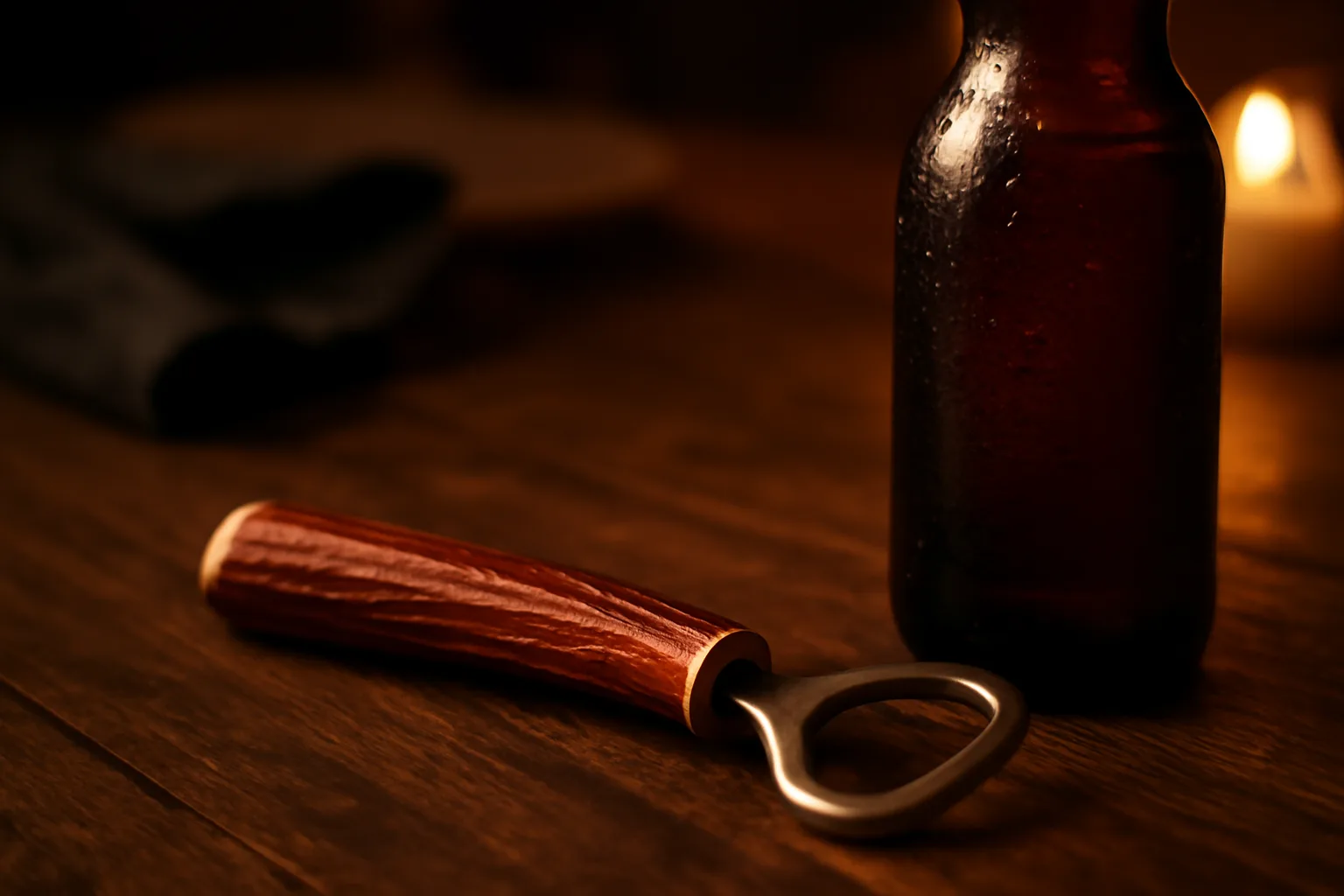
There is a unique quality to alpine hospitality, a warmth that feels earned against the chill of the mountain air. It is an atmosphere built from sturdy materials, comforting textures, and the soft glow of a fire. You do not need a mountain view to cultivate this feeling; it can be recreated right at your own dining table.
The Foundation: Texture and Tone
Before a single plate is set, the foundation of your tablescape dictates the mood. The choice between a bare table and a clothed one is the first step in defining the evening's character. A heavy, dark wood table, with its own history etched into the grain, offers an immediate sense of permanence and earthiness. Leaving it exposed, perhaps with a simple runner down the center, grounds the setting in the raw beauty of the material itself.
If you opt for table linens, eschew crisp, bright whites in favor of richer, more tactile fabrics. Heavy, rumpled linen in shades of oatmeal, charcoal, or deep forest green absorbs light rather than reflecting it, instantly softening the room. The subtle, imperfect texture invites touch and suggests a relaxed, unpretentious gathering. These foundational choices create a canvas that speaks of comfort and substance.
From there, build layers. Woven water hyacinth placemats, slate coasters, or chargers made from rough-hewn wood introduce varied natural textures. Each element should feel distinct to the touch. This is not about creating a perfectly matched set, but a curated collection of objects that feel gathered over time. The colour palette should draw from a high-country landscape: the deep browns of damp earth, the grey of weathered stone, the muted greens of lichen and moss. These tones are inherently calming and encourage the eye to rest.
Curating Light, Not Just Seeing By It
Modern interior lighting is often designed for utility: bright, even, and cool. To create an intimate, lodge-like atmosphere, you must actively work against this. The goal is to create pools of warm, isolated light that draw people together, leaving the corners of the room in soft shadow.
Candlelight is the most effective tool for this. The gentle, kinetic flicker of a flame is primal and universally comforting. Opt for unscented beeswax candles, which emit a subtle honeyed aroma and a warm, golden light that is flattering to both people and food. A mix of heights—tall, elegant tapers and stout pillars—adds visual interest and creates a more dynamic interplay of light and shadow. Arrange them in clusters down the center of the table, ensuring they are not so tall as to block sightlines.
Beyond candles, consider the rest of the room's lighting. If you have overhead lights, they must be on a dimmer switch and turned down low. The ideal color temperature for a warm, inviting glow is between 2200 and 2700 Kelvin. Freestanding floor and table lamps with warm-toned bulbs can be used to illuminate specific areas, such as a bar cart or sideboard, while leaving the dining area as the primary focus. This strategic use of dimness shrinks the perceived size of the space, fostering a sense of enclosure and encouraging guests to lean in and speak more softly.
The Psychology of the Tactile Table
Every object you place on the table communicates something to your guests on a subconscious level. The materials, weight, and temperature of the items they hold in their hands have a profound psychological impact, shaping their experience of the space and the company. The sophisticated host understands how to use this to build an atmosphere of intimacy and connection.
Metal's Cool Reserve and Antler's Warm Invitation
The contrast between cold, hard metal and warm, organic materials is a powerful tool in spatial psychology. Consider standard, mass-produced dinnerware. A fork or knife made entirely of stainless steel is cool to the touch, highly conductive, and uniform. Its haptic feedback is one of precision, efficiency, and formality. Psychologically, this sleek coolness can create a subtle sense of emotional distance. It is an effective tool, but it is impersonal.
Now, contrast this with an object that incorporates natural material, such as a handle crafted from bone or antler. Naturally shed antler, like the red deer antler we use in our New Zealand workshop, is a porous material. It is a poor thermal conductor, meaning it feels warm—or at least neutral—to the touch, quickly matching your body temperature. Its surface is never perfectly uniform; each piece possesses a unique texture, grain, and density. Holding it provides rich, complex tactile information.
When a guest picks up an object that pairs these two materials—for example, a piece of cutlery or a corkscrew with a cool steel head and a warm antler handle—a specific cognitive event occurs. The hand registers both sensations at once. The proximal warmth of the handle feels grounding and personal, almost an extension of the self. The cool, distal metal feels like the functional 'other'—the tool. This tactile duality bridges the gap between the formal act of dining and the human desire for connection. It draws a guest's focus inward for a micro-moment, silently communicating a sense of groundedness, craft, and welcome. It turns a simple utensil into a point of connection with the natural world.
Accents of the High Country
A mountain lodge feels connected to its environment, and your table should, too. This is achieved through thoughtful, natural accents that serve as points of interest and conversation. The key is to evoke the landscape rather than replicating it. A cluttered, overly themed table feels forced.
A centerpiece should be low and organic. Forget towering floral arrangements; instead, consider a gnarled piece of driftwood, a bed of soft green moss dotted with smooth river stones, or a simple cluster of pinecones in a wooden bowl. These elements bring the textures and forms of the wild indoors in a way that feels authentic and calming. Their low profile ensures guests can easily see and converse with one another across the table.
This philosophy extends to the tools you use for service. In a world of mass-produced goods, a unique, handcrafted object stands out. It has a story, a weight, and a presence that generic items lack. The simple act of opening a bottle becomes a moment of shared appreciation when the tool itself tells a story, like a handcrafted Antler Bottle Opener sourced from naturally shed New Zealand red deer antler. It becomes more than a utility; it is a piece of the landscape, a representation of craft, and a tactile anchor for the moment.
Sound and Scent: The Unseen Layers
Finally, consider the senses that are often overlooked: hearing and smell. Atmosphere is multisensory. The most beautifully set table can be undermined by a blaring television in the next room or an overpowering air freshener.
The scent of your space should be subtle and cohesive with the visual theme. The natural aroma of beeswax candles, the smell of food cooking, or perhaps a pot of wine mulling on the stove with cinnamon and cloves are all welcoming fragrances. If you use a diffuser, opt for earthy, wood-based essential oils like cedar, sandalwood, or pine, and use them sparingly an hour before guests arrive. The goal is a barely-there scent that complements, rather than competes with, the meal.
The sonic environment is equally important. Silence is often better than the wrong music. If you do choose a playlist, lean towards instrumental tracks that will not interfere with conversation. Ambient jazz, minimalist composers, or gentle folk can all provide a beautiful, unobtrusive backdrop. Ultimately, the most important sounds of the evening should be the clink of glasses, the murmur of conversation, and shared laughter.
Creating this alpine-inspired hospitality is not about a checklist of items but a holistic approach to design. It is an exercise in intentionality, where every chosen object, texture, and light source works to build a sanctuary of warmth and connection. By engaging all the senses, you craft an environment that invites your guests to slow down, be present, and forge genuine connections.
Related reading

Hosting & Entertaining· 6 min read
The Document Archivist’s Toolkit: Reading Faded Inks and Vintage Print
Discover essential preservation methods for historical documents. Learn to decipher faded inks and vintage print with an archivist's toolkit and techniques.
Read article →

Hosting & Entertaining· 6 min read
The Craft Beer Pour: Why the Opening Ritual Influences Taste Perception
Discover how the ritual of opening a craft beer influences taste. This article explores the physics of a perfect pour and why a quality bottle opener matters.
Read article →
Hosting & Entertaining· 6 min read
Passive Harvesting: The Absolute Peak of Ethical Manufacturing
Explore passive harvesting, a zero-harm model of making. Discover how using naturally shed deer antler offers a profound ethical alternative to resource extraction.
Read article →