
Craft & Materials· 6 min read
Hosting Etiquette: Elevating a Wine and Cheese Night with Tactile Elements
Discover how the tactile qualities of your serving tools can scientifically alter the perception of flavour. Learn hosting etiquette that elevates a wine and cheese night.
By Antler Tree · 1 June 2026
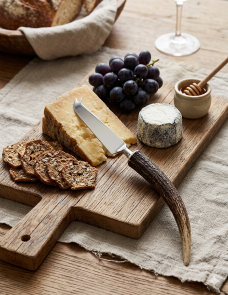
The success of a wine and cheese evening rests on more than the quality of the vintage or the rarity of the cheddar. True hosting artistry lies in the details—the tactile, sensory cues that shape your guests'' experience from the moment they reach for the first slice. These subtle elements are what separate a pleasant gathering from a truly memorable one.
Beyond the Platter: The Foundation of Sensory Hosting
When we plan a gathering, our focus naturally gravitates towards the consumables. We spend hours selecting the perfect trio of cheeses—perhaps a creamy brie, a sharp aged cheddar, and a pungent blue. We deliberate over the wine pairing, hunt for the ideal fruit paste, and arrange crackers with architectural precision. This is the heart of the offering, and its quality is paramount.
But the experience of flavour is not formed in a vacuum. It is a synesthetic tapestry woven from sight, sound, smell, and, most importantly, touch. Before a guest ever tastes the cheese, they interact with the tools you have provided. They lift a knife, feel its weight in their palm, and note the texture of its handle. They grasp a wine glass, sensing its thickness and balance. These initial tactile interactions send powerful signals to the brain, creating a framework of expectation that profoundly influences their perception of taste.
Great hosting, therefore, is an exercise in curating this multi-sensory landscape. It involves thinking like a theatrical director, considering not just the stars of the show (the food and wine) but the entire stage. The weight of a utensil, the texture of a napkin, the smooth grain of a serving board—these are not mere accessories. They are active participants in the culinary narrative you are crafting for your guests, setting a tone of quality and intention long before the first bite.
The Science of Touch: How Utensils Shape Flavour
This idea is more than just romantic intuition; it is a field of scientific inquiry known as gastrophysics. Researchers, most notably Professor Charles Spence at the University of Oxford, have demonstrated through rigorous experimentation that the physical characteristics of our tableware can systematically alter our perception of food and drink. The brain takes cues from the hand to tell the mouth what to expect.
The Weight-Flavour Connection
One of the most compelling findings is the correlation between weight and perceived quality. In a series of studies, participants consistently rated the exact same food as tasting better, more complex, and more valuable when eaten with heavier cutlery compared to lighter, cheaper-feeling alternatives. A 2013 study published in the journal Flavour found that participants rated yogurt as being 15% more dense and tasting ‘more expensive’ when consumed with a silver spoon that was three times heavier than a flimsy plastic one. The yoghurt itself was identical.
The mechanism at play is a cognitive shortcut. Our brains have learned to associate weight with substance, density, and value. A heavy tool feels more significant and robust, and this sensation of quality is subconsciously transferred to the food it is delivering. A host who provides a flimsy, lightweight cheese knife is, without saying a word, suggesting that the cheese itself might not be worthy of a more substantial instrument. Conversely, a tool with reassuring heft telegraphs an expectation of quality, priming the guest to appreciate the nuance and craftsmanship of the food.
The Influence of Natural Materials
This effect is magnified when weight is combined with natural, organic materials. While a heavy stainless steel utensil can convey quality, a tool crafted from wood, stone, or bone engages the senses on a deeper level. The subtle grain of a wooden handle or the unique, cool texture of polished antler connects the user to the natural world. This is not merely an aesthetic preference; it is a powerful psychological trigger.
Natural materials create a sense of authenticity and provenance. An antler handle, for instance, carries with it the story of the New Zealand red deer and the wild, mountainous landscape it roamed. This narrative context enriches the experience of eating an artisanal cheese, which itself is a product of landscape and craft. The slight irregularities and unique textures of a handcrafted tool also increase tactile engagement. The brain receives more sensory information from a handle with a distinct form and texture than from a smooth, uniform piece of plastic, leading to a state of heightened awareness and focus on the act of eating. This focused attention allows for a richer, more mindful appreciation of flavour.
Curating Your Tactile Toolkit
Understanding the science allows us to be more intentional in our choices as hosts. When selecting serving pieces, we can move beyond purely visual considerations and start curating for touch. The goal is to assemble a toolkit that feels as good as it looks and enhances the specific foods being served.
Begin by assessing the weight and balance of any serving utensil. It should feel solid and purposeful in the hand, neither flimsy nor awkwardly heavy. The balance point should be comfortable, allowing for effortless use without strain. This consideration is especially crucial for cheese knives, which must perform a physical task that requires both force and finesse.
Different cheeses demand different tools. A soft chèvre or camembert requires a spreader with a dull edge and a wide blade. A hard, crystalline parmesan or an aged gouda requires a short, spade-like knife for breaking off chunks. For a firm, aged cheddar or a crumbly Stilton, the tool must offer both leverage and control. A well-balanced handle, such as that found on a handcrafted Antler Cheese Knife, provides a reassuring heft and a connection to the natural world, subtly enhancing the rustic character of the cheese itself. Its form is born from function, providing a secure grip that makes slicing through a dense block of cheese a satisfying, controlled action rather than a chore.
Look for pieces that tell a story. Choose a cheeseboard made from reclaimed local timber. Find small ceramic bowls for olives or nuts that were made by a local potter. Each of these objects contributes to the overall sensory narrative, building a cohesive experience grounded in craft and materiality.
Extending the Principle to Wine and Atmosphere
The principles of tactile hosting extend far beyond the cheese board. Consider the vessel from which your guests will drink. The difference between sipping wine from a thick, heavy-rimmed tumbler and a fine, lightweight crystal glass is profound. The thinness of the rim on a quality glass is less obtrusive, delivering the wine more precisely onto the palate. The weight and balance of the glass in the hand, the way the stem feels between the fingers—all these things contribute to the perceived elegance and quality of the wine itself.
Textiles play a similar role. The choice between paper napkins and those made from heavy, textured linen sends a clear signal. Linen feels more substantial and absorbent, and its natural weave is pleasing to the touch. This small detail elevates the simple act of dabbing one’s lips into a more refined sensory moment.
Even the ambient elements of the room contribute to this tactile landscape. The soft glow of candlelight is a visual texture that warms a space. A curated playlist of music provides an auditory texture. A thoughtful host considers how all these layers interact. The goal is to create a harmonious environment where every detail, from the weight of the knife to the feel of the napkin, works in concert to soothe, engage, and delight the senses.
By considering the weight, texture, and story of the objects you place in your guests'' hands, you are not just serving food; you are crafting a memorable sensory journey. We invite you to explore the profound difference that a single, well-chosen piece can make.
Related reading
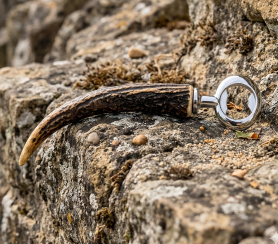
Craft & Materials· 6 min read
Patio Hosting Mechanics: Selecting Slip-Resistant Tools for Summer Barbecues
A guide to high-durability, slip-resistant barbecue tools. We analyze why natural antler grips better than polymer in wet conditions for confident patio hosting.
Read article →

Craft & Materials· 6 min read
Replacing Greenwashed Corporate Swag with Genuinely Sustainable Luxury
Tired of disposable corporate swag? Discover how naturally shed deer antler offers a truly sustainable, carbon-neutral luxury gift that lasts a lifetime.
Read article →
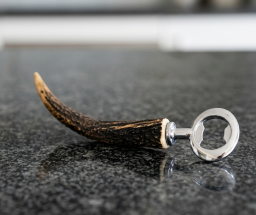
Craft & Materials· 6 min read
The Psychology of Hosting: How Weighty Bar Tools Change the Guest Experience
Discover the psychology of hosting. We break down the weight-value heuristic, revealing how the heft of quality bar tools subconsciously signals value to your guests.
Read article →