Craft & Materials· 6 min read
The Psychology of Hosting: How Weighty Bar Tools Change the Guest Experience
Discover the psychology of hosting. We break down the weight-value heuristic, revealing how the heft of quality bar tools subconsciously signals value to your guests.
By Antler Tree · 1 June 2026
The simple act of offering someone a drink is a foundational ritual of hospitality, a gesture that says, “Welcome, relax, you are cared for.” But the quality of that gesture is not defined by the liquid alone; it is profoundly shaped by the tools we use to present it. The weight, texture, and story of our barware communicate a silent narrative of intention and quality long before the first sip is taken.
Beyond the Pour: The Silent Language of Hospitality
When we host, we are curating an experience. Every choice, from the lighting to the music, contributes to the atmosphere we want to create. Bar tools are not merely functional implements in this process; they are integral components of the sensory landscape. Think of them as the host''s handshake—they can be flimsy and forgettable, or they can be solid, confident, and memorable.
A lightweight, chrome-plated corkscrew with plastic components performs its function, but it does so without ceremony. Its lack of substance suggests disposability and convenience over quality. Contrast this with a weighty, well-balanced tool forged from solid metal and natural materials. Its presence in the hand feels deliberate and significant. This difference is not trivial; it’s a tactile cue that informs our perception of the entire experience. It tells guests that the details matter, that the moment has been considered, and by extension, that their presence is valued. The tools we choose are a reflection of our approach to hosting itself: are we simply dispensing a beverage, or are we sharing a moment?
This principle extends across the home bar. The satisfying clink of a heavy glass, the cool density of a stone coaster, or the balanced heft of a proper cocktail shaker all contribute to a richer, more grounded experience. They are physical anchors in a social ritual, transforming a simple act of service into a display of deliberate care.
The Weight-Value Heuristic: Why Your Brain Thinks Heavy is Premium
Our subconscious minds are constantly taking shortcuts to make sense of the world. One of the most powerful and primitive of these is the weight-value heuristic: our innate tendency to associate physical weight with concepts like importance, durability, authenticity, and monetary value. This is not a learned behaviour from modern marketing; it is a deeply ingrained cognitive bias rooted in our physical interactions with the world.
From an evolutionary perspective, denser objects in nature—like solid wood, stone, or bone—were often more durable and useful for toolmaking than their lighter, more porous counterparts. Our brains evolved to recognise this. This principle is a cornerstone of sensory marketing and embodied cognition, the idea that our thoughts and judgments are shaped by our body''s sensory experiences.
Consider two identical-looking objects. If you ask someone to hold both and one is significantly heavier, they will almost universally perceive the heavier one as being of higher quality and greater worth. Studies have shown this effect in numerous contexts. For instance, people rate the exact same written content as more important and credible when it is presented on a heavy clipboard versus a light one. Similarly, wine is often perceived as being of higher quality when drunk from a heavier glass, and job applicants are rated as more serious candidates when their CV is attached to a heavier clipboard. The weight imparts a sense of gravity and substance to the subject being evaluated.
This heuristic is why a flimsy, hollow-feeling fork feels cheap, while a solid, forged piece of silverware feels luxurious. The weight difference might only be 50-100 grams, but the perceptual gap is immense. The heavier tool reassures our brain that it is ‘real’—made from solid, valuable materials and built to last. This is the magic at play when you hand a guest a weighty, well-made bottle opener. Their brain doesn''t need to consciously process it; their hand does the thinking, instantly registering the object as one of quality and substance.
Texture, Temperature, and Touch: Engaging More Than Just Taste
The sensory conversation between a host and guest goes far beyond weight. The textures and temperatures of your bar tools add further layers of subconscious information, creating a more holistic and engaging experience. While our sense of taste is the final destination, the journey there is paved with tactile encounters that prime our expectations and elevate the moment.
Cheaply mass-produced tools are often characterised by their uniformity and lack of character. Smooth, featureless plastic or thin, stamped metal offer little for the hand to explore. They feel inert and anonymous. Premium hospitality tools, by contrast, engage the sense of touch with intention. A knurled brass handle provides grip and a pleasing geometric texture. A polished steel component feels cool, clean, and precise. These details are not accidental; they are designed to make the tool a pleasure to hold and use.
The Unique Character of Natural Materials
This is where natural materials truly distinguish themselves. Unlike synthetic composites, materials harvested from nature possess an inherent warmth and individuality. Hand-sanded wood, with its visible grain, tells a story of growth and life. Polished stone carries a geological coolness and weight. And at Antler Tree, we work with naturally shed New Zealand red deer antler, a material unparalleled in its tactile quality.
No two pieces of antler are the same. Each carries a unique form, a subtle grain, and a corrugated texture known as ''pearling''. When you hold an antler handle, it is not perfectly smooth or cold. It has a subtle warmth and a complex surface that feels both rugged and refined. This organic irregularity is a powerful antidote to the sterile perfection of the mass-produced world. It connects the user to the tool, and the tool to the wild, natural landscape of New Zealand from which it came.
The Ritual of Opening: A Moment of Shared Anticipation
Of all the actions involved in serving a drink, the opening is perhaps the most symbolic. It is the definitive start, the uncorking of the moment. The sound of a cork popping or a cap being pried from a bottle is a universal signal that the time for relaxation and connection has begun. How this small but significant ritual is performed sets the tone for everything that follows.
Fumbling with a flimsy, poorly designed opener can create a moment of awkwardness. It undermines the host''s air of confident control. The tool slips, the leverage is poor, and a simple action becomes a minor struggle. This tiny hitch, while seemingly insignificant, subtly communicates a lack of preparation or care.
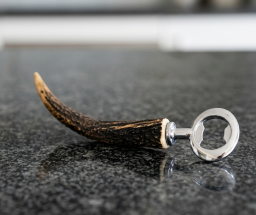
Conversely, performing the same action with a beautiful, substantial tool is an act of quiet theatre. The heft of the tool in your hand inspires confidence. The design provides perfect leverage, allowing you to remove the cap with a clean, satisfying pop. It’s a small display of competence and grace. Using a well-crafted implement, like an Antler Bottle Opener with its solid brass fitting and unique antler handle, transforms this simple action into a confident, deliberate gesture. It makes the guest feel they are in good hands, and it turns a mundane task into a shared, satisfying moment of anticipation.
Crafting an Atmosphere of Deliberate Care
Ultimately, the psychology of hosting is about communicating care. It''s about demonstrating to your guests that their comfort and enjoyment have been thoughtfully considered. This message is not delivered through grand gestures, but through an accumulation of small, intentional details. Choosing bar tools with a pleasing weight, engaging texture, and a story behind them is one of the most effective ways to convey this sense of care.
These objects are more than just tools; they are conversation starters and sensory anchors. They show an appreciation for craft, for quality materials, and for the experience of hosting itself. When you choose to use something handmade and substantial, you are rejecting the culture of the disposable in favour of something more permanent and meaningful. This choice resonates with your guests, assuring them on a deep, subconscious level that they are in a place where details matter, quality is valued, and they are genuinely welcome.
By understanding the subtle power of these tactile cues, you can transform the simple act of serving a drink into a richer, more memorable ritual. Explore how the right tools can change not just what you serve, but how it makes your guests feel.
Related reading
Craft & Materials· 6 min read
Patio Hosting Mechanics: Selecting Slip-Resistant Tools for Summer Barbecues
A guide to high-durability, slip-resistant barbecue tools. We analyze why natural antler grips better than polymer in wet conditions for confident patio hosting.
Read article →
Craft & Materials· 6 min read
Replacing Greenwashed Corporate Swag with Genuinely Sustainable Luxury
Tired of disposable corporate swag? Discover how naturally shed deer antler offers a truly sustainable, carbon-neutral luxury gift that lasts a lifetime.
Read article →
Craft & Materials· 6 min read
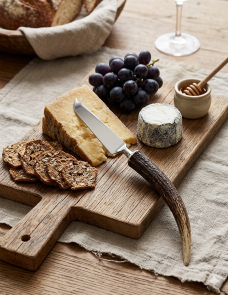
The Ultimate Charcuterie Guide: Density, Texture, and Blade Pairings
A structural guide to hosting. Learn how cheese density, handle weight, and blade geometry interact to create the perfect slice without crumbling or sticking.
Read article →