
Hosting & Entertaining· 6 min read
Modern Cabin-Core: Designing Balanced, Nature-Infused Interiors
Discover Modern Cabin-Core, an interior design philosophy for balancing clean urban architecture with soulful, nature-inspired accents without creating clutter.
By Antler Tree · 1 June 2026
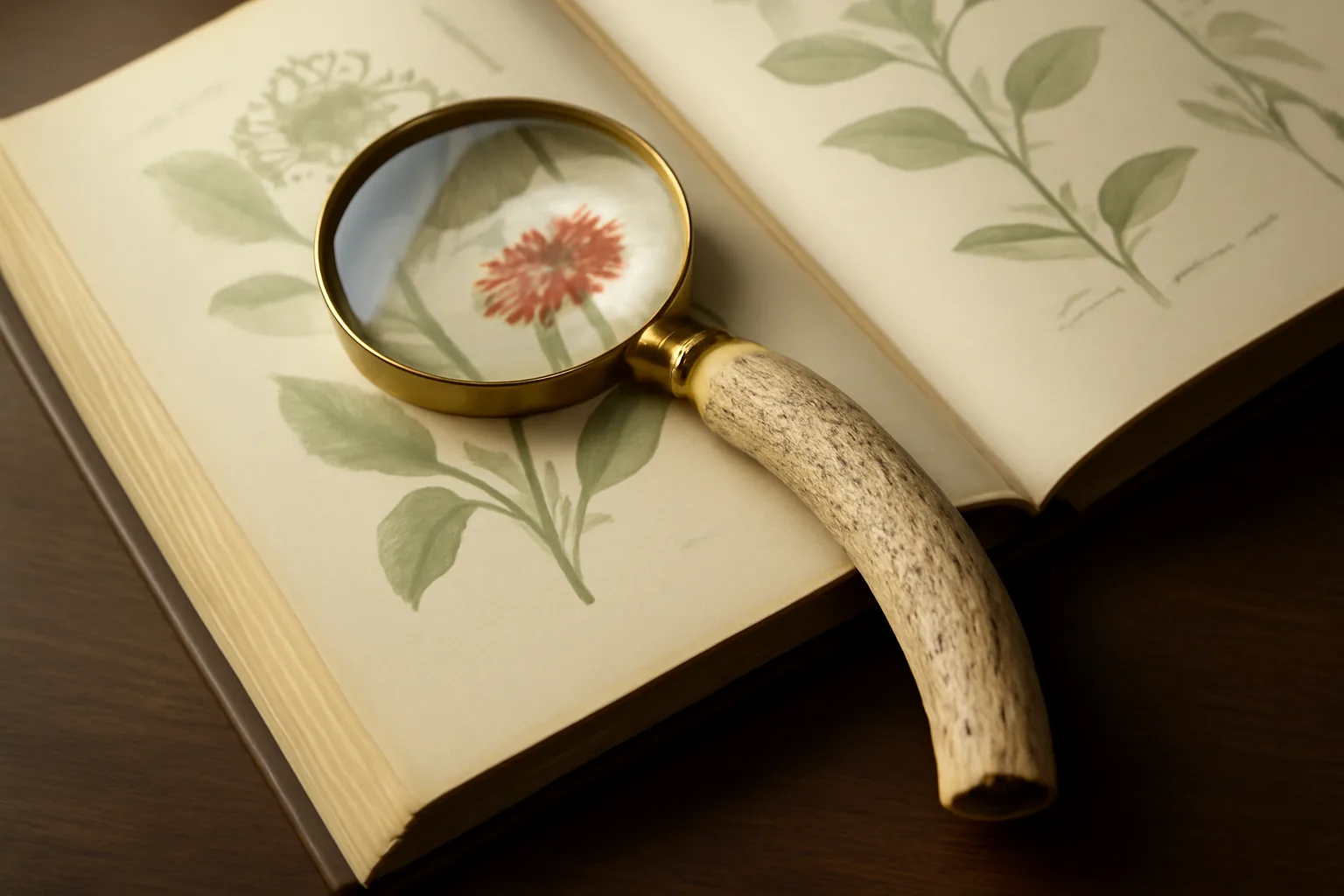
The persistent hum of the city is a modern reality, but our connection to the raw, untamed world remains a primal need. Bringing the wild indoors is not about creating a rustic pastiche; it’s about a thoughtful infusion of soul into our clean, contemporary spaces. The goal is balance, where the clean lines of urban living are softened and given meaning by the perfect, unrepeatable forms of nature.
The New Cabin: Beyond Plaid and Pine Logs
The phrase “cabin decor” often conjures images of log walls, heavy plaid textiles, and a taxidermy overload. Modern Cabin-Core is not this. It is an interior design philosophy that borrows the feeling of a secluded retreat—safety, warmth, contemplation, and a deep connection to the outdoors—and translates it for a sophisticated, urban context.
Think less about literal interpretations and more about elemental textures. It’s the cool, smooth heft of a river stone in your palm, the intricate grain of reclaimed timber, the rugged warmth of a woollen throw. This approach swaps rustic clutter for intentional, sculptural simplicity. It finds its beauty in the interplay between the manufactured and the organic, the smooth and the rough, the geometric and the wild. It’s a dialogue between the life we live and the world we came from, expressed in the language of materials.
The Art of Restraint: Mastering the 80/20 Balance Rule
The single most powerful principle in achieving this sophisticated, nature-infused aesthetic is the 80/20 balance rule. It’s a simple guideline that prevents interiors from becoming cluttered or themed, ensuring that natural elements feel impactful and curated rather than chaotic. The rule is this: dedicate 80% of your room’s visual mass to clean lines and quiet surfaces, reserving just 20% for high-texture, organic, and character-rich pieces.
This ratio is the secret to creating visual harmony and breathing room. The dominant 80% acts as a serene, uncluttered canvas. This is your foundation: the smooth plaster walls painted in a soft off-white, the simple geometry of a charcoal linen sofa, the polished concrete floor, or the unadorned planes of a minimalist bookshelf. These elements provide structure and calm, allowing the eye to rest.
Putting the Rule into Practice
The magic happens in the 20%. This is your allowance for expression, texture, and story. Because the surrounding space is so restrained, the pieces you choose for this 20% gain immense power and presence. They are not competing for attention; they are invited into the spotlight.
Consider these examples:
-
The Living Room: A room with pale walls, a simple sofa, and a sleek metal floor lamp (the 80%) can be completely transformed by a single, gnarled driftwood branch mounted as sculpture, or a hand-knotted wool rug with a deep, satisfying pile (the 20%). The simplicity of the surroundings highlights the complex, organic form of the natural object.
-
The Study: Imagine a minimalist desk with clean metal legs and a smooth top (the 80%). On its surface sits a single, remarkable object: a functional piece of art crafted from naturally shed New Zealand red deer antler. The antler’s unique curvature, texture, and history are amplified by the starkness of the desk. It ceases to be mere decoration and becomes a focal point for contemplation.
-
The Dining Area: A simple oak table and modern chairs (the 80%) are elevated by a centrepiece of moss and dark stones in a low, hand-thrown ceramic bowl (the 20%). The focus is drawn to this miniature landscape, a reminder of the forest floor.
The 80/20 rule works because it respects the principles of negative space and visual hierarchy. The expansive calm of the 80% provides the context that makes the 20% feel special, significant, and deeply personal. It’s the difference between a collection of objects and a curated gallery of nature.
Curating Your 20 Percent
Choosing the right natural accents is an art form. The goal is to select pieces that resonate on a deeper level, inviting touch and telling a story. Forget mass-produced decor and seek out items with integrity.
Prioritise Tactility and Story
The most successful natural accents are multisensory. They possess a tactile quality that begs to be touched—the surprising warmth of antler, the cool slip of sea-smoothed glass, the rough bark of a salvaged branch. These materials ground us in the physical world. Equally important is the story they carry. An object handcrafted from naturally shed antler, for example, is more than just a beautiful form. It’s a sustainable, ethical piece of a wild animal’s life cycle, a story of seasons and wilderness captured and honoured through fine craftsmanship.
Choose Single, Significant Statements
Resist the urge to fill every surface. In the spirit of the 80/20 rule, one exceptional piece has far more impact than a dozen smaller trinkets. Instead of a cluster of small pots, choose one oversized vase and fill it with dramatic, sculptural branches. Instead of a gallery wall of small prints, choose one large-scale photograph of a misty Fiordland landscape. Select objects that can stand on their own as functional sculpture, commanding a space with quiet confidence.
Weaving Nature into the Everyday
Integrating this ethos into your home doesn't require a complete overhaul. It begins by identifying small moments and spaces where a touch of the wild can have an outsized impact.
The study or reading nook is a perfect candidate. These are spaces dedicated to focus, imagination, and quiet contemplation—a microcosm of the cabin ideal. A comfortable chair, warm, layered lighting, and a few meticulously chosen objects are all that is needed. Consider the desk, a surface often given over to plastic and utility. Rather than cluttering it, elevate it with functional art. A beautiful Antler Handle Magnifying Glass, for instance, does more than just enlarge fine print; its unique, sculptural form and warm, tactile quality serve as a constant, quiet reminder of the wild world. It transforms a mundane task into a moment of connection.
In the living area, focus on textiles. Swap synthetic fabrics for the honest textures of wool, linen, and aged leather. In the entryway, a single, beautifully formed hook made from timber or antler can set the tone for the entire home, a first greeting that speaks of craft and nature.
This is not about decoration, but about intentionality. It's about looking closely, choosing wisely, and creating a space that nurtures your connection to the natural world. Start by observing your own home. Find a surface, a corner, a quiet moment, and consider which single object could bring with it the story of the forest, the mountain, or the sea.
Related reading

Hosting & Entertaining· 6 min read
The Document Archivist’s Toolkit: Reading Faded Inks and Vintage Print
Discover essential preservation methods for historical documents. Learn to decipher faded inks and vintage print with an archivist's toolkit and techniques.
Read article →

Hosting & Entertaining· 6 min read
The Craft Beer Pour: Why the Opening Ritual Influences Taste Perception
Discover how the ritual of opening a craft beer influences taste. This article explores the physics of a perfect pour and why a quality bottle opener matters.
Read article →
Hosting & Entertaining· 6 min read
Passive Harvesting: The Absolute Peak of Ethical Manufacturing
Explore passive harvesting, a zero-harm model of making. Discover how using naturally shed deer antler offers a profound ethical alternative to resource extraction.
Read article →