
Hosting & Entertaining· 6 min read
The Anatomy of a Perfect Ploughman’s Lunch: Slicing and Presentation
Master the iconic Ploughman's lunch. Our guide explores the anatomy of this rustic meal, from cheese selection to the art of imperfect, earthy presentation.
By Antler Tree · 1 June 2026
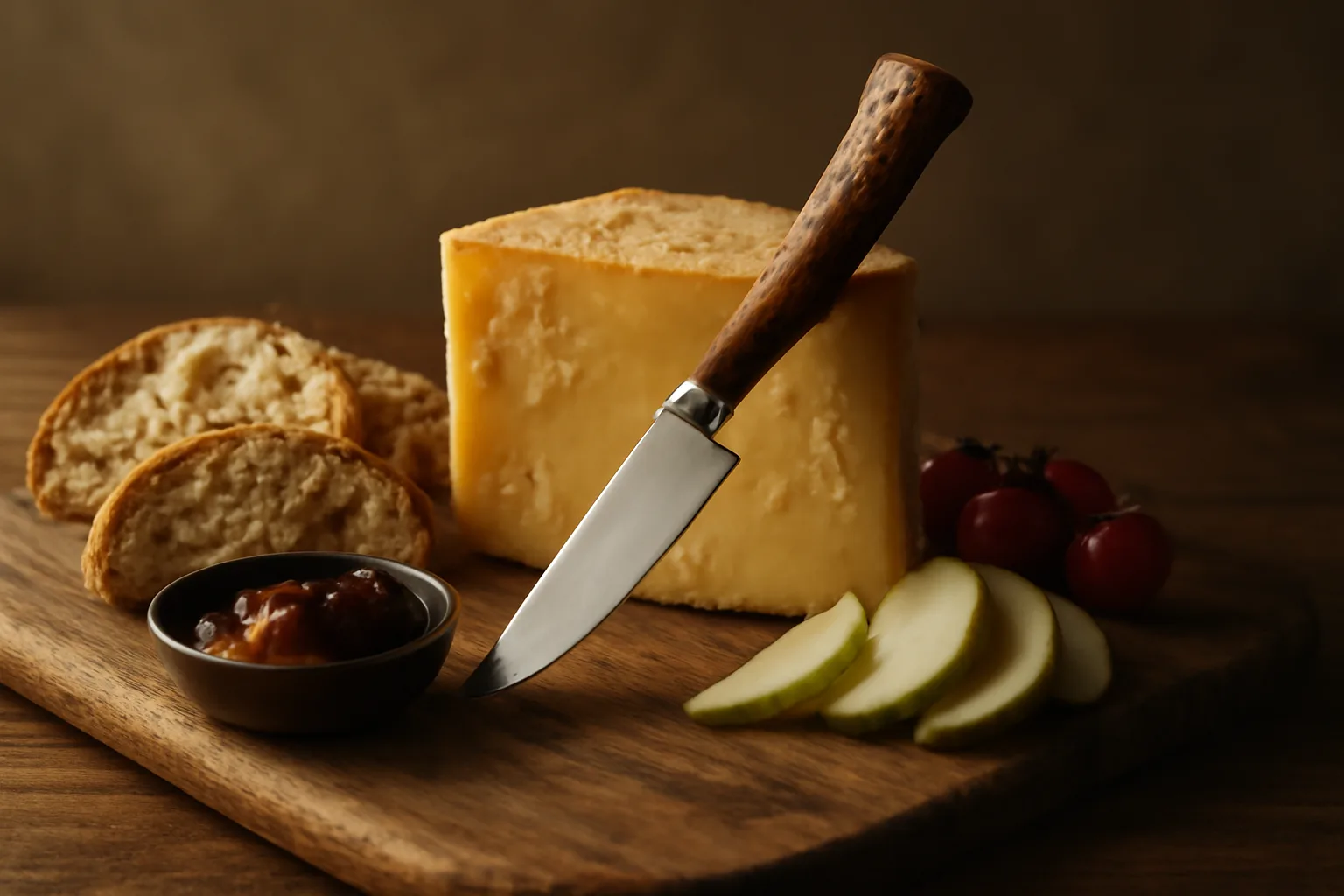
The Ploughman’s lunch is not a recipe; it is a philosophy of assembly. Its enduring appeal lies not in culinary complexity, but in the honest interplay of fundamental textures and flavours. At its best, it is a meal that feels discovered rather than constructed, a testament to the simple perfection of good ingredients.
A Foundation of Grain and Gold
The cornerstone of any true Ploughman’s is the bread. This is no place for feather-light, pre-sliced sandwich loaves. You need a bread with character and structural integrity, something that can stand up to a thick wedge of cheese and a generous smear of chutney. A rustic, crusty farmhouse loaf is ideal, whether it be a wholemeal sourdough, a dense rye, or a simple white cob with a blistered, flour-dusted crust. The goal is a tender, chewy crumb protected by a substantial exterior that yields with a satisfying crackle.
Equally important is the butter. A proper Ploughman’s demands real butter, preferably cultured and lightly salted. When taken from the fridge just long enough to become spreadable but not soft, it adds a layer of creamy richness that complements the entire plate. It’s a simple, luxurious detail that elevates the bread from a mere carrier to an integral part of the experience. The act of slicing a thick pat from a block and spreading it across the craggy surface of the bread is the first step in this rustic ritual.
The Triumvirate of Cheese
While a single good cheese can suffice, a truly memorable Ploughman’s features a trio, offering a spectrum of taste and texture. This trinity typically represents the best of British cheesemaking, but exceptional New Zealand artisans offer worthy local alternatives.
The Hard: Farmhouse Cheddar
This is the non-negotiable heart of the board. Seek out a clothbound, cave-aged cheddar, something with at least a year of maturity. You are looking for complexity: earthy, nutty, and sharp, with those delightful crystalline crunches of tyrosine that signal a well-aged cheese. A traditional English choice would be a Montgomery’s or a Keen’s, but a mature, crumbly cheddar from a local New Zealand creamery provides a wonderful sense of terroir.
The Crumbly: A Territorial Classic
Next, introduce a crumbly, zesty territorial cheese. A Red Leicester, with its dense texture and mellow, nutty flavour, is a fantastic choice. Alternatively, a Cheshire or Wensleydale offers a brighter, almost citrusy tang and a friable texture that crumbles beautifully. This cheese provides a lactic brightness that acts as a foil to the deep savouriness of the cheddar.
The Bold: A Rich Blue
Finally, a pungent blue cheese completes the selection. Stilton is the archetypal choice, and for good reason. Its creamy, complex flavour profile, with its bold veins of blue, offers a powerful and satisfying finish. It can be divisive, but its salty, piquant character is the perfect sparring partner for a sweet fruit chutney. For those preferring a local touch, a creamy blue from the Kapiti Coast or Central Otago can be just as compelling.
Savoury Ballast: Cured Meats and Pastry
While cheese is the star, the savoury accompaniments provide essential depth and substance. A few thick slices of high-quality cooked or cured ham are traditional. Look for a dry-cured Wiltshire or a honey-roasted ham, sliced from the bone if possible. The salty, savoury notes of the meat provide a beautiful counterpoint to the richness of the cheese and the sharpness of the pickles.
Perhaps the most iconic element after the cheese is a wedge of pork pie. A proper Melton Mowbray pork pie, with its hot-water crust pastry, seasoned pork filling, and savoury jelly, is a marvel of self-contained flavour. It should be served cold, its dense pastry and rich filling adding a distinctly English and deeply satisfying textural component to the meal.
The Crucial Counterpoint: Pickles and Chutneys
A Ploughman’s without a pickle is merely a cheese and bread platter. The acidic, sweet, and tangy element provided by chutney and pickles is what ties everything together, cutting through the richness of the fat and protein. Branston pickle is the classic—a chunky, sweet, and sticky preserve of mixed vegetables in a tangy sauce. It’s a nostalgic favourite for a reason.
Beyond this, a sharp piccalilli, with its mustardy kick and crisp vegetables, adds a wonderful brightness. A jar of silverskin pickled onions offers a sharp, crunchy burst of acidity. A sweet and spicy apple or pear chutney works wonders, especially alongside a powerful blue cheese. The key is to offer at least one sharp, vinegary element and one sweet, spiced one to cover the full spectrum of complementary flavours.
The Philosophy of the Cut: Rustic Assembly and Tactile Tools
Herein lies the soul of the Ploughman’s, and an opportunity to move beyond a simple recipe. Fine dining often prizes uniformity and precision—perfectly symmetrical slices, geometric cubes, and delicate portions. The Ploughman’s aesthetic is the antithesis of this. It champions a generous, unstudied, and rustic presentation that feels both abundant and honest.
This aesthetic is directly influenced by the tools you use. A thin, delicate cheese wire or a flimsy knife encourages precise, uniform slices. This creates a visually clean but texturally monotonous board. The Ploughman’s demands a tool with more substance, one that invites a different kind of interaction with the food. Rather than aiming for six identical 5mm slices of cheddar, a robust knife encourages you to break off a substantial wedge, revealing the cheese's internal texture—its crags, crystals, and crumbly nature. This irregular surface is not a flaw; it's a feature, creating more surface area to catch the light and hold a dollop of chutney.
The act of serving becomes less about surgical precision and more about a satisfying, tactile experience. The weight and feel of the utensil in your hand matters. A knife with a solid, raw-material handle guides your hand to a more organic cut. This is where a rustic, substantial utensil becomes part of the aesthetic, and a beautifully crafted Antler Cheese Knife made from naturally shed New Zealand red deer antler embodies this principle perfectly. Its heft and unique, gnarled texture connect you to the natural, earthy quality of the meal itself. It’s a tool designed not for sterile portioning, but for the satisfying act of cleaving a piece from a whole.
This approach transforms presentation from a visual exercise to a haptic one. You are not just arranging food; you are celebrating its inherent form. Let the Cheshire crumble as it will. Allow the Stilton to fall into uneven chunks. This is confident, unpolished presentation that puts the focus squarely on the quality and texture of the ingredients.
Freshness and Finish
Finally, a few fresh elements are needed to complete the picture and provide a crisp, clean finish. A crisp, sweet apple, like a Cox's Orange Pippin or a New Zealand Braeburn, is essential. Sliced and served alongside the cheese, its sweetness and acidity are a natural partner. A few sticks of crunchy celery, a handful of sharp radishes, or a simple green salad lightly dressed with vinaigrette add a welcome freshness. For a final touch of protein and a nod to yeoman tradition, a hard-boiled egg, halved and seasoned with salt and pepper, fits perfectly.
Assembling a Ploughman’s is an exercise in appreciating provenance, texture, and the beauty of simple combinations. It is a meal that invites you to slow down, to savour each component, and to appreciate the craftsmanship in the food and the tools used to serve it. By focusing on quality ingredients and a presentation style that celebrates their natural forms, you create more than a lunch—you create an experience.
Related reading

Hosting & Entertaining· 6 min read
The Document Archivist’s Toolkit: Reading Faded Inks and Vintage Print
Discover essential preservation methods for historical documents. Learn to decipher faded inks and vintage print with an archivist's toolkit and techniques.
Read article →
Hosting & Entertaining· 6 min read
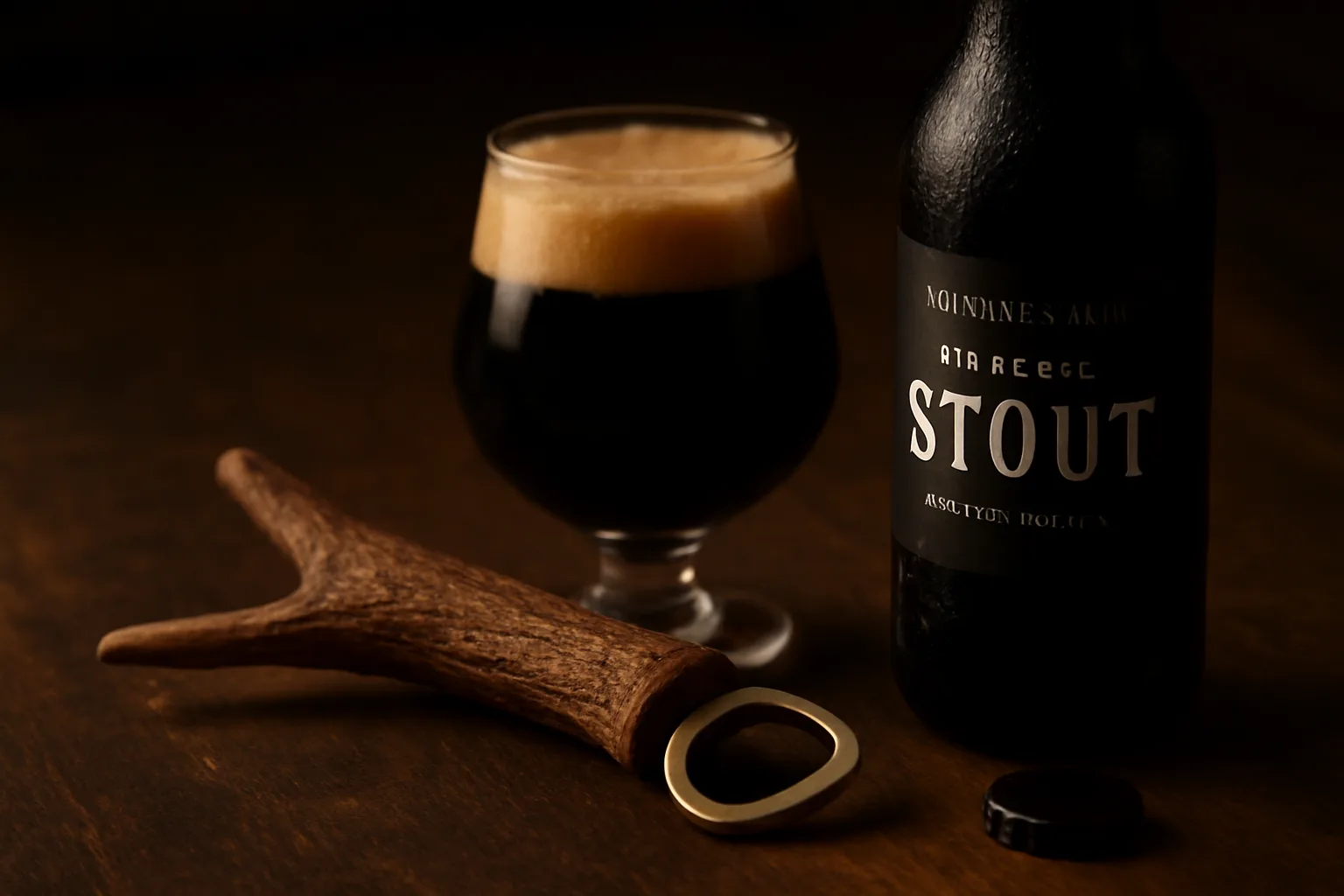
The Craft Beer Pour: Why the Opening Ritual Influences Taste Perception
Discover how the ritual of opening a craft beer influences taste. This article explores the physics of a perfect pour and why a quality bottle opener matters.
Read article →
Hosting & Entertaining· 6 min read
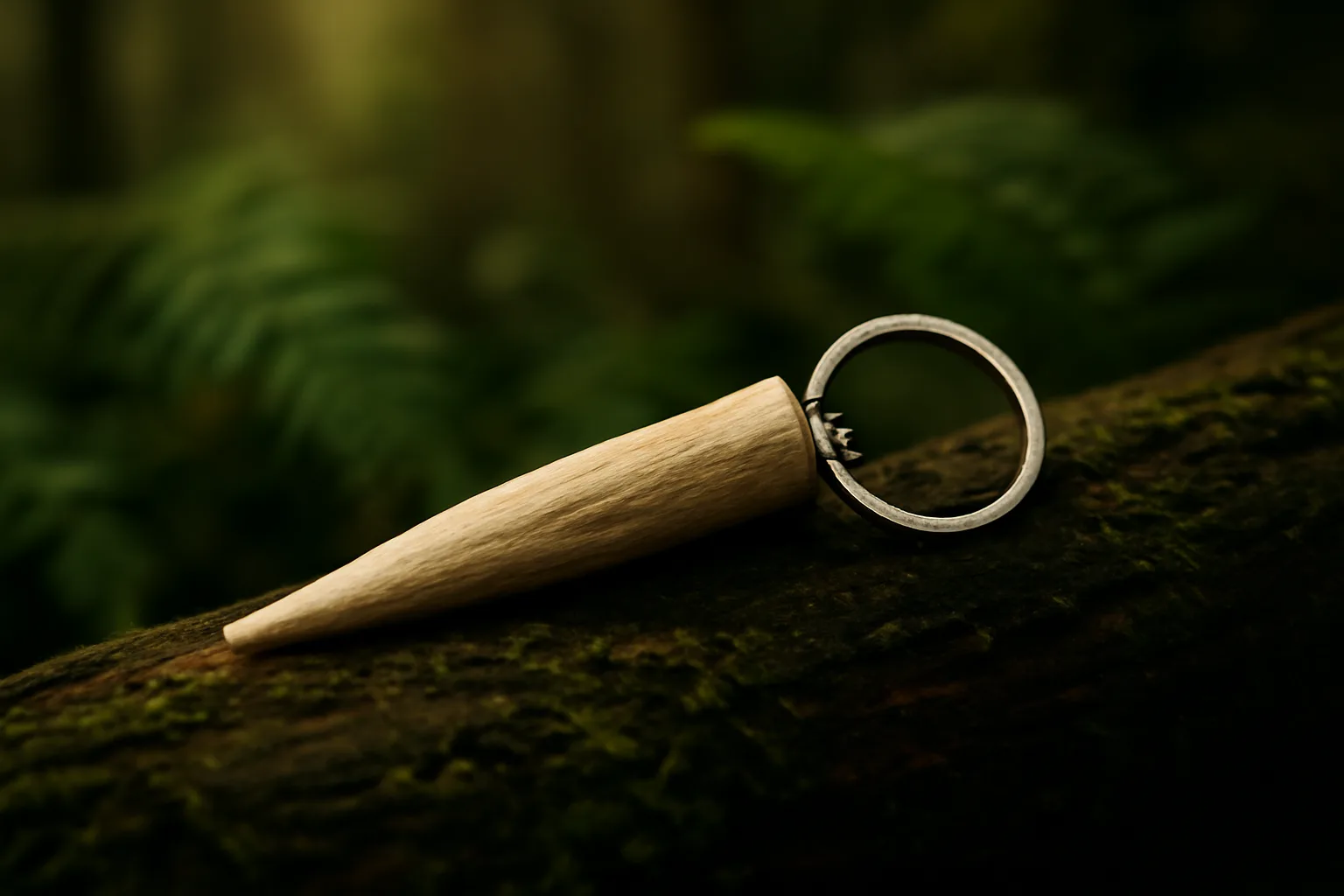
Passive Harvesting: The Absolute Peak of Ethical Manufacturing
Explore passive harvesting, a zero-harm model of making. Discover how using naturally shed deer antler offers a profound ethical alternative to resource extraction.
Read article →