Lifestyle & Home· 6 min read
The Epigenetics of Antler Growth: How a Stag’s Environment Shapes Its Form
Uncover the epigenetics of antler growth. We explore how a stag's life in the wild shapes its antlers and teach you how to spot markers of an authentic heritage.
By Antler Tree · 1 June 2026

To see antler as mere bone is to miss the story entirely. We see it as a physical chronicle, a tangible record of a red deer’s life etched by the seasons and soil of the New Zealand high country. Each piece is a testament to a journey, unique in its form and density.
A Story Written in Calcium
Antler is one of the natural world’s most remarkable materials. As the fastest-growing bone tissue known to any mammal, it is a demanding biological creation. Every year, a stag undergoes an astonishing cycle of growth, shedding its old antlers in the spring and immediately beginning to grow a new, often larger and more complex set. This process happens at a blistering pace, with some stags adding over a centimetre of growth per day.
This rapid genesis requires an immense amount of metabolic energy and minerals, primarily calcium and phosphorus. The stag’s body must marshal these resources, drawing them from its diet and, if necessary, from its own skeleton. The result is a structure that is not uniform or predetermined but is instead a direct reflection of the animal’s health and the resources available to it during that specific growth period.
The intricate latticework of bone is nourished by a network of blood vessels contained within a soft, furry skin called velvet. This velvet is a critical component, supplying the oxygen and nutrients necessary for the frenetic pace of construction. Once the antler reaches its full size in late summer, the bone within mineralises and hardens, the blood supply is cut off, and the stag rubs the now-dead velvet away to reveal the hardened, polished bone beneath. It is this final, formidable structure that serves as a weapon and a symbol of status during the autumn rut, before being cast off to begin the cycle anew.
The Blueprint of the Land and Life
Genetics provides the fundamental blueprint for an antler’s shape—the potential for a certain number of tines or a particular curve. However, it is the stag's environment and life experiences that dictate how fully that potential is realised. This is the domain of epigenetics: the study of how behaviours and environment can cause changes that affect the way genes work.
For a wild deer, epigenetic factors are a constant influence. The quality of the forage in a given year, the mineral content of the soil, the stress of a harsh winter, the age and dominance of the stag—all of these variables act as signals to the body, influencing which genes are switched on or off during the antler growth phase. A stag living through a drought year with sparse vegetation will produce a markedly different antler than the same stag in a lush, rain-soaked season.
This is why antler from wild, free-ranging herds possesses a character and variation that farmed antler often lacks. A farmed animal’s diet is controlled and consistent, leading to more uniform, predictable growth. A wild stag’s antler, by contrast, is a tapestry woven from the threads of its unique existence. It carries the signature of a specific valley, a particular season, and a life of challenge and resilience. This is the untamed story we seek to preserve in every piece we craft at Antler Tree.
Reading the Wild Heritage in Antler Form
For the discerning eye, an antler is an open book. By understanding what to look for, you can learn to read the environmental markers embedded in its structure and verify the wild heritage of a piece. These details are subtle but tell a profound story about the stag's condition and the landscape it inhabited.
The Language of Density and Weight
The most fundamental clue is weight. Antlers grown in regions with mineral-rich soils, particularly those high in calcium and phosphorus from underlying limestone or volcanic geology, are noticeably denser and heavier. A stag with access to high-quality browse can channel these vital minerals directly into antler growth. The resulting bone is less porous and more robust. When you hold a piece of antler from such an environment, it has a satisfying heft. The tines, especially, feel solid and substantial, tapering to strong, thick points rather than thin, brittle ones. Conversely, antler from mineral-poor areas may be larger in frame but will feel comparatively lighter and more porous to the touch.
The Signature of Pearling and Texture
The surface of an antler is rarely smooth. It is covered in a series of grooves, ridges, and bumps known collectively as “pearling.” This texture is a direct artefact of the velvet that covered the antler during its growth. The grooves are channels for the primary blood vessels, while the raised pearling forms around the smaller, dense network of capillaries that fed the bone.
Deep, pronounced pearling is a hallmark of a supremely healthy stag with access to abundant, nutrient-rich food. Excellent nutrition supports a more extensive and efficient vascular system in the velvet, which in turn leaves a deeper, more rugged impression on the bone beneath. A smooth antler is not necessarily a sign of a lesser animal, but a heavily pearled surface is an undeniable indicator of a stag in its prime, thriving in a bountiful environment. It speaks to a wet spring and a summer of lush growth in the New Zealand bush. Examining these details, you can feel the story of that year’s rainfall and abundance. Appreciating this level of granular detail is a reward in itself, and using a finely crafted tool like an Antler Handle Magnifying Glass allows you to explore these intricate histories up close.
From a High-Country Life to Your Home
Our role as craftspeople is not to impose our will upon the material, but to listen to the story it tells. When we select a naturally shed antler, we are not just looking for a raw material; we are choosing a specific narrative. We seek out the pieces with character—the ones with the deep pearling of a good season, the substantial weight of mineral-rich land, and the rich, varied colouration left by months of resting on the forest floor, absorbing tannins from leaves and soil.
This careful selection is the first and most important step in our process. We honour the antler’s journey by showcasing its inherent qualities. The curve of a handle, the position of a cut, the way it is polished—all are decided in collaboration with the form the stag created. We sand and polish to reveal the hidden depths of colour, from creamy whites and greys to deep, earthy browns, but we are careful to preserve the texture and form that make it unique.
By doing so, we ensure that the finished object is more than just a functional item for your home. It is a connection to the wild heart of New Zealand. It’s a piece that carries the quiet strength of the mountains and the resilience of the animal that walked among them.
The Antler Tree Ethos: Naturally Shed, Naturally Unique
Central to our philosophy is an unwavering commitment to using only naturally shed antlers. This is not merely an ethical choice; it is fundamental to the very authenticity we have been discussing. The annual shedding of antlers is a natural, harmless part of a stag’s life cycle. Finding these cast-off treasures in the remote valleys and tussock lands means that no animal was ever harmed for our craft.
More importantly, it ensures that every antler we use has completed its natural purpose. It has grown, hardened, been wielded in the timeless drama of the rut, and been discarded to make way for the next chapter of growth. This completion of the cycle is integral to the story. Each shed antler is a finished volume, a summary of a year in the wild.
This commitment means that supply is dictated by nature, not by demand. It requires patience and a deep respect for the rhythms of the wild. But the result is a collection of objects that are genuinely, irreplicably unique, each one a small piece of a life lived wild, ready to begin a new story in your hands.
An object made from truly wild antler is more than a beautiful form. It is a piece of a landscape, a carrier of seasons, and a quiet reminder of the untamed natural world. We invite you to hold one of our pieces, to feel its weight and texture, and to appreciate the subtle, remarkable story that it tells.
Related reading
Lifestyle & Home· 5 min read
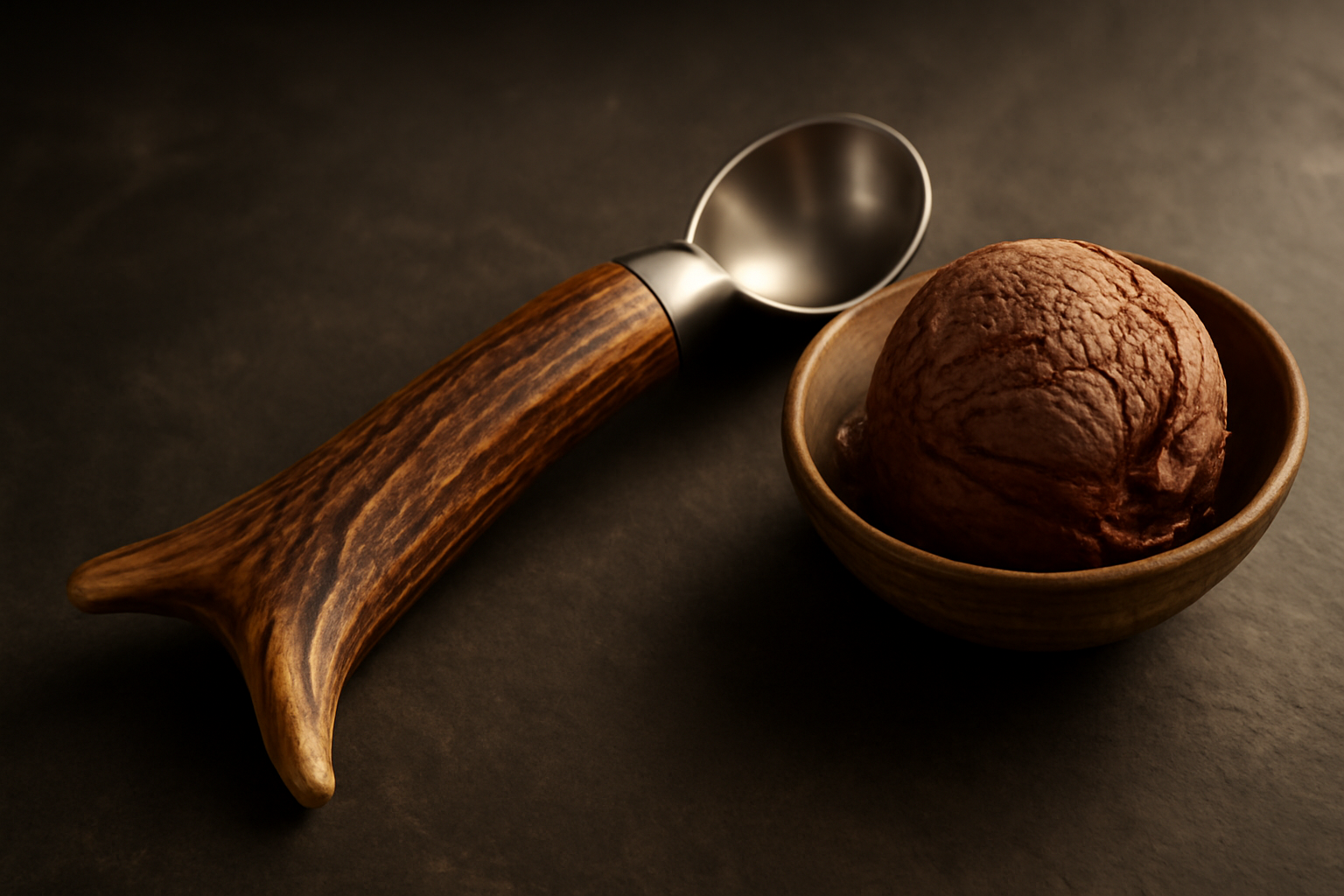
The Forgotten Sensory Axis: Why Product Weight Aligns with Emotional Value
We explore the forgotten sensory axis: the link between a gift's physical weight and its perceived emotional value. Learn how the heft of a handcrafted object creates a deeper memory imprint.
Read article →
Lifestyle & Home· 6 min read
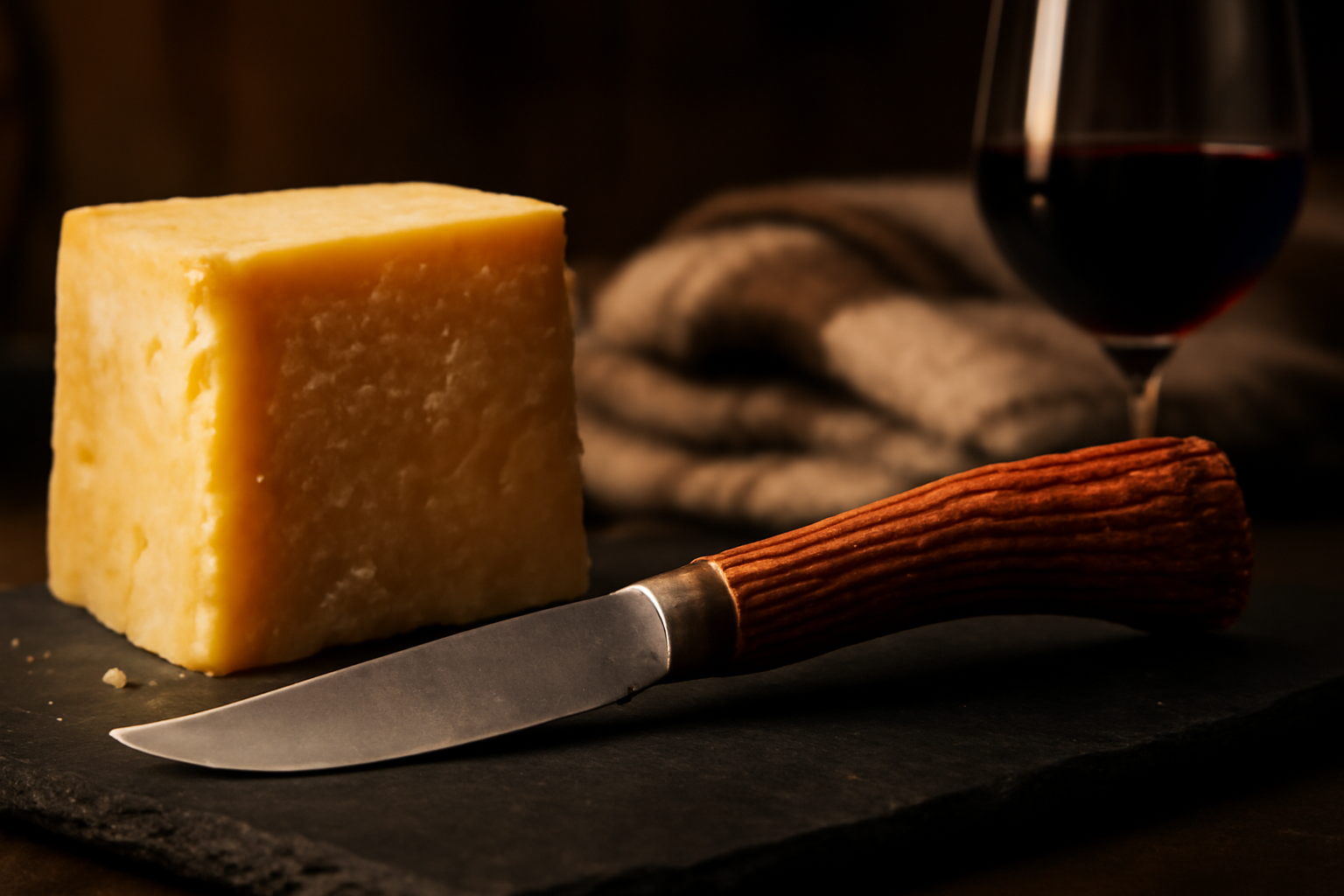
The Connoisseur's Guide to Fine Aged Cheddar: Prep, Temperature, and Tools
Learn to serve fine aged cheddar like an expert. This guide details perfect temperature, preparation, and how the right knife prevents crystalline cheese from shattering.
Read article →
Lifestyle & Home· 6 min read
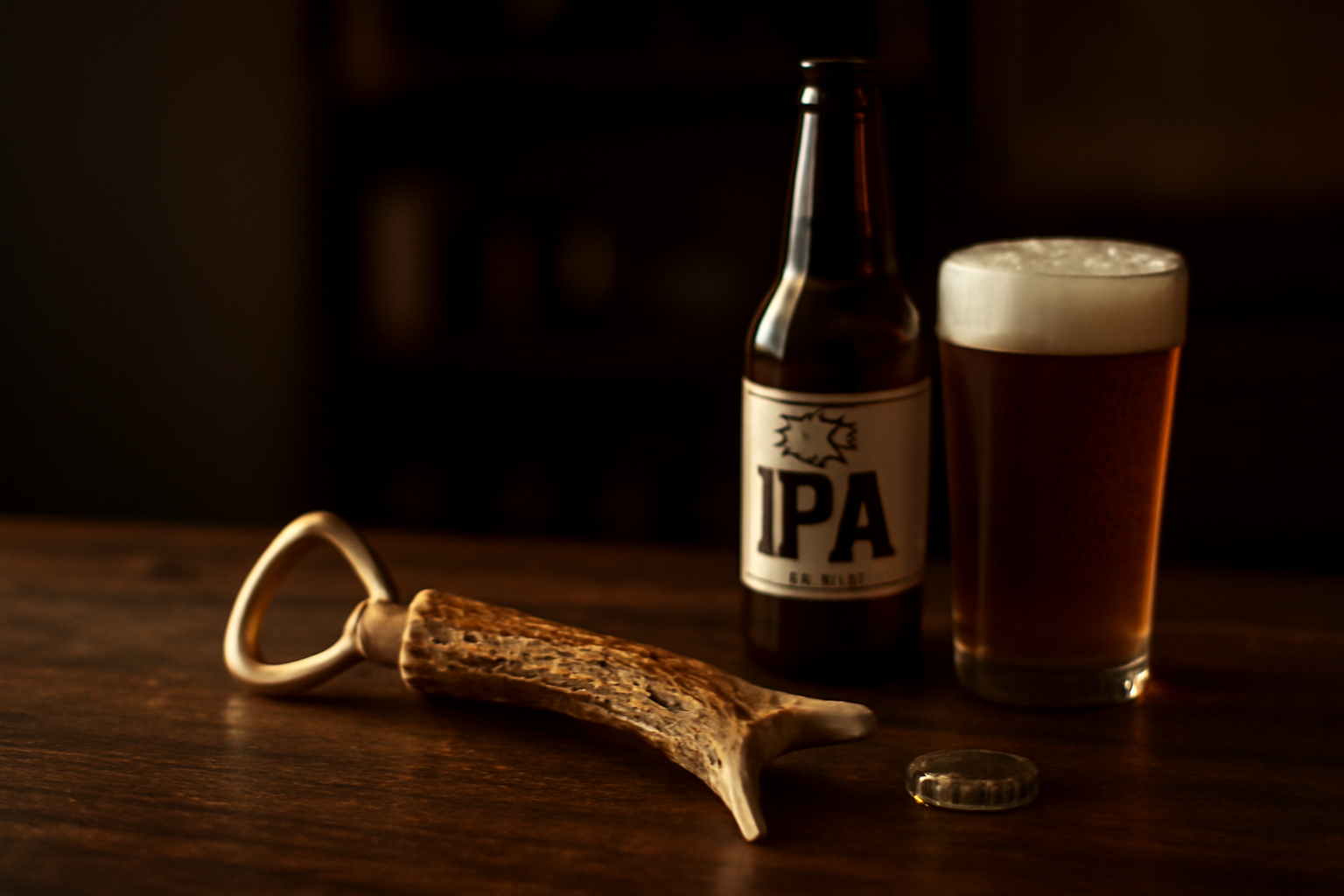
The Art of the Craft Beer Toast: Why the Opener Sets the Standard
Discover how the right bottle opener does more than just open your beer. It respects the craft, preserves the bottle, and elevates the entire sensory experience.
Read article →