
Lifestyle & Home· 6 min read
The Host's Secret Weapon: Creating Visual Texture Contrast at Dinner Parties
Discover the host's secret to memorable gatherings. Learn how pairing smooth porcelain with rugged, natural textures like antler can create visual interest and foster connection.
By Antler Tree · 1 June 2026
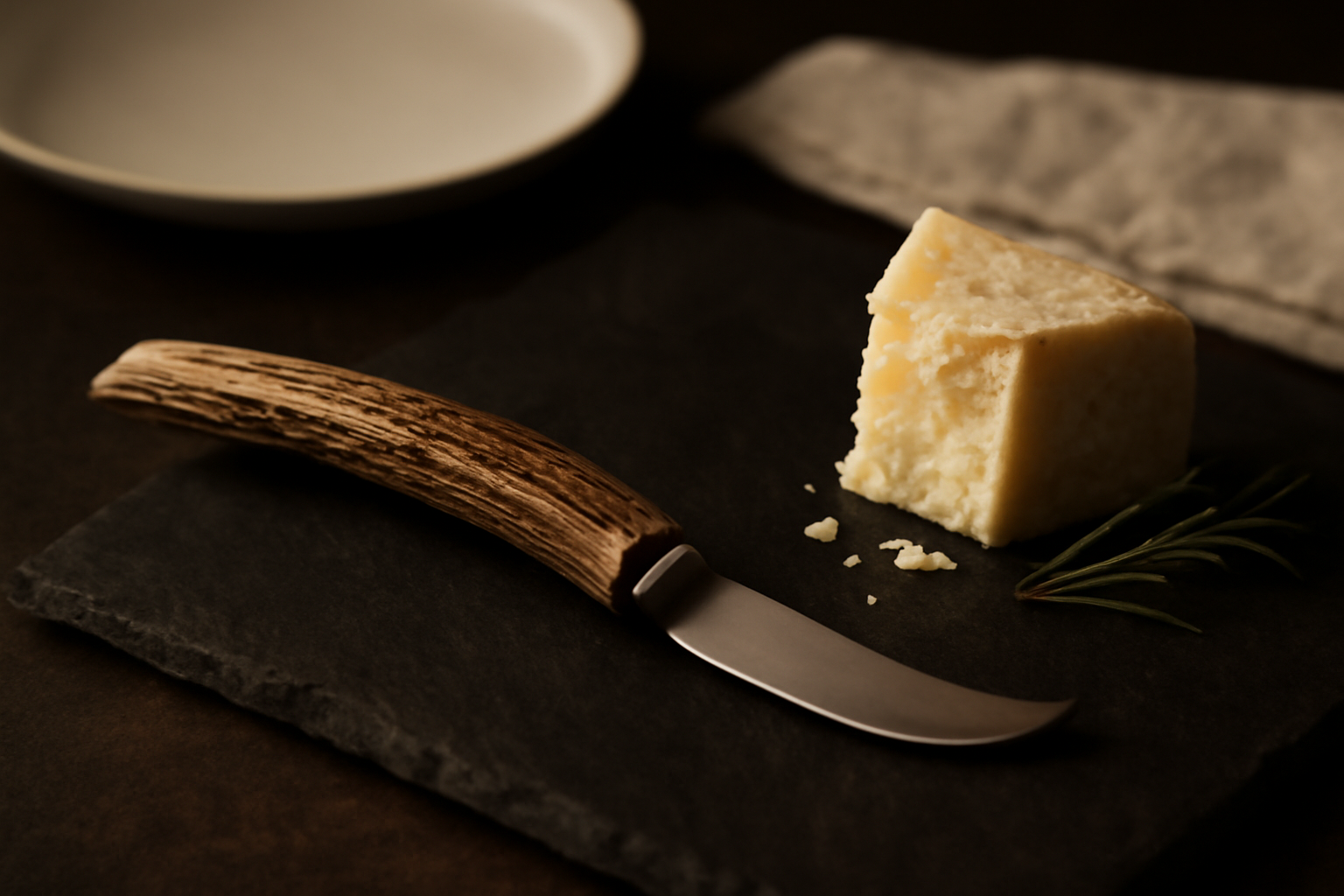
The pursuit of the perfect dinner party has become muddled by a focus on fleeting trends. True hosting artistry is not found in immaculate uniformity, but in the deliberate, thoughtful curation of sensory details. It’s an understanding that what guests touch is as important as what they taste.
Beyond the Palette: The Primacy of Texture
For generations, the conventional wisdom of table setting has revolved around two elements: colour and form. We are taught to coordinate palettes, match dinnerware, and create a visually harmonious scene. While this approach produces a table that is pleasant to look at, it often results in an experience that is aesthetically flat and emotionally sterile. It creates a beautiful picture, but not a memorable environment.
The most impactful and sophisticated hosts understand a deeper principle: the primacy of texture. Our sense of touch is profoundly linked to our sense of comfort, memory, and connection. A tablescape rich in textural diversity invites engagement on a subconscious level. It transforms a static visual into a dynamic, multi-sensory landscape. Think of the subtle friction of a heavy linen napkin, the cool, reassuring weight of a crystal glass, the smooth glaze of a ceramic bowl, and the organic roughness of a wooden serving board. Each element offers a distinct tactile message, contributing to a richer, more grounded experience for your guests.
This is not a call for chaos, but for considered contrast. By moving beyond a purely visual plan and incorporating a tactile dimension, you are doing more than setting a table; you are engineering an atmosphere. You are creating a space that feels curated, personal, and profoundly welcoming.
The Power Couple: Smooth Porcelain and Raw Antler
The most effective way to introduce textural contrast is through juxtaposition—pairing elements that are not just different, but are aesthetic opposites. Among the most compelling and elegant of these pairings is the combination of ultra-smooth, refined surfaces with raw, organic materials. Specifically, the dialogue between pristine porcelain and the rugged, untamed character of naturally shed antler.
Imagine a dining table set with minimalist, high-gloss porcelain plates. They represent order, precision, and human craftsmanship at its most refined. The surface is flawless, cool to the touch, and reflects light with a gentle sheen. Now, place a serving utensil with a handle crafted from New Zealand red deer antler onto that scene. The effect is immediate and transformative.
The antler introduces a story of the wild. Its surface is a landscape of grooves, ridges, and unique colorations—a direct imprint of the deer's life in the remote high country. It is warm, substantial, and feels ancient and alive in the hand. No two pieces are ever identical. Where the porcelain is about clean perfection, the antler is about beautiful, authentic imperfection.
This pairing succeeds because the two materials elevate each other. The smoothness of the ceramic accentuates the ruggedness of the antler, making it appear more dramatic and intriguing. Conversely, the raw, natural form of the antler handle prevents the refined setting from feeling cold or impersonal, infusing it with warmth and a narrative depth. It is this tension between the manufactured and the natural, the smooth and the rough, that creates a powerful visual and tactile focal point.
The Social Physics of a Tactile Tablescape
A beautiful table is one thing; a table that actively dismantles social friction is another. This is the true, often overlooked, power of a texturally diverse setting. Introducing unique, tactile objects into a shared space does more than just add visual interest—it subtly rewires the social dynamics of the gathering, encouraging guests to relax and engage more naturally. This phenomenon works through several key mechanisms.
The Object as a Social Bridge
In the early stages of a dinner party, conversation can be stilted. Guests might rely on polite but impersonal small talk. A unique object, particularly one that is meant to be handled, provides an immediate and accessible social bridge. A serving knife with a grooved antler handle is not just a tool; it is an artifact that invites curiosity. Questions like, “What is this handle made of?” or “Feel the weight of this,” are natural and easy to ask. This simple act of shared observation and sensory experience moves the conversation from the abstract (“How was your week?”) to the tangible and present (“This feels incredible”). It gives guests a low-stakes reason to interact, creating an instant, shared point of connection.
The Grounding Effect of Haptic Perception
Social gatherings, even among friends, can induce a low level of anxiety for some. We might feel a pressure to be witty or engaging. Interacting with varied physical textures—a concept known in psychology as haptic perception—serves as a powerful grounding tool. The act of touching different surfaces draws our attention away from internal anxieties and into the physical reality of the moment. The cool, dense feel of a stone coaster, the coarse weave of a napkin, or the uniquely patterned surface of an antler handle require a small but significant amount of our sensory focus. This process helps to quiet the mind's chatter, making guests feel more present, comfortable, and embodied in the space.
Permission to Interact
A perfectly uniform and sterile tablescape can feel like a museum exhibit, governed by an unspoken “look, but don’t touch” rule. Guests may become more cautious, afraid of misplacing a fork or leaving a mark on a pristine surface. This hesitancy creates a subtle barrier to relaxation. By contrast, introducing elements that are not only durable but also texturally inviting—like wood, slate, and antler—sends a different message. It signals that this is a space to be lived in, not just admired. A robust, interesting object implicitly gives guests permission to interact with their environment. They are more likely to reach for, use, and enjoy the items on the table, fostering a more casual, communal, and participatory atmosphere.
Curating Your Contrasting Collection
Building a tablescape based on textural contrast does not require a complete overhaul of your dinnerware. The most successful approach is one of addition and thoughtful layering, using a few key pieces to create maximum impact. The goal is a table that feels collected and personal, not chaotic.
Begin by establishing a neutral, consistent foundation. This could be your set of everyday white plates or a collection of simple, elegant placemats. This uniformity acts as an anchor, a calm canvas upon which you can introduce more dynamic elements. Your plates don't need to be luxury items; their role is to provide a clean, uncluttered backdrop that allows your textural pieces to stand out.
Next, introduce texture through textiles. Swap out paper napkins for high-quality linen or a cotton-blend fabric. The simple act of adding this tactile layer instantly elevates the setting and adds a note of warmth and care.
The real opportunity for a statement arrives with the serving course. A cheese or charcuterie board is the perfect stage for showcasing a centrepiece of textural contrast. The varied colours and shapes of the food itself provide a busy, organic landscape. Here, your choice of servingware becomes critical. Rather than a generic, flimsy knife, select a tool that has presence and character. A beautifully crafted Antler Cheese Knife, with its polished steel blade and a rugged handle hewn from naturally shed New Zealand red deer antler, becomes both a functional object and an immediate topic of conversation. It embodies the entire philosophy: the meeting of refined craftsmanship and wild, natural beauty.
By focusing your efforts on these select, high-impact items, you achieve a sophisticated and layered look without needing an entirely new collection of dinnerware. It is a testament to the idea that thoughtful details, not sheer volume, create the most memorable experiences.
Ultimately, a host's greatest tool is their ability to create an environment of ease and connection. By looking beyond simple colour matching and embracing the powerful dialogue of texture, you can design a table that not only looks stunning but also feels deeply inviting. It is a subtle art, but one that transforms a simple meal into a shared moment of genuine warmth and memorable style.
Related reading
Lifestyle & Home· 5 min read
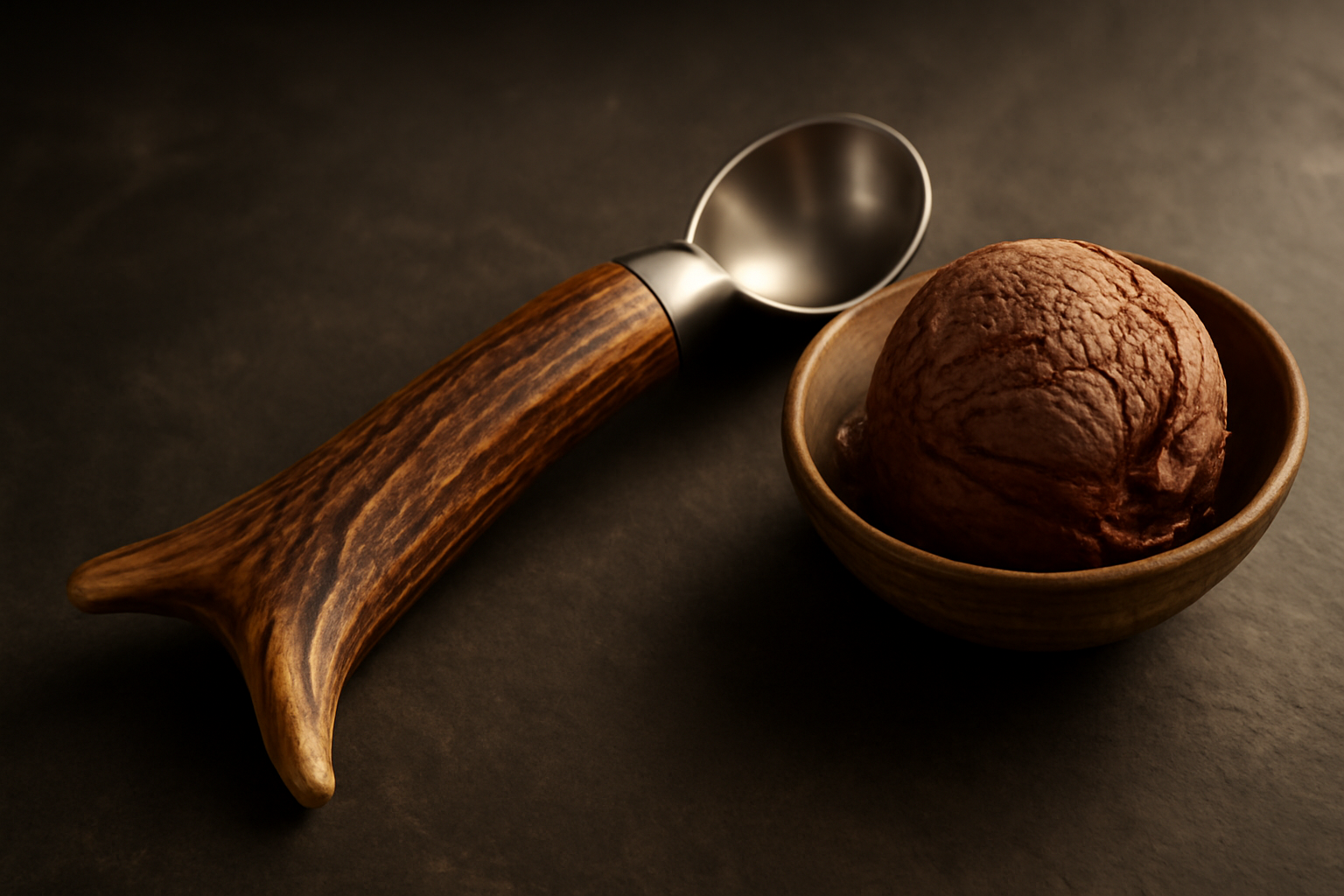
The Forgotten Sensory Axis: Why Product Weight Aligns with Emotional Value
We explore the forgotten sensory axis: the link between a gift's physical weight and its perceived emotional value. Learn how the heft of a handcrafted object creates a deeper memory imprint.
Read article →
Lifestyle & Home· 6 min read
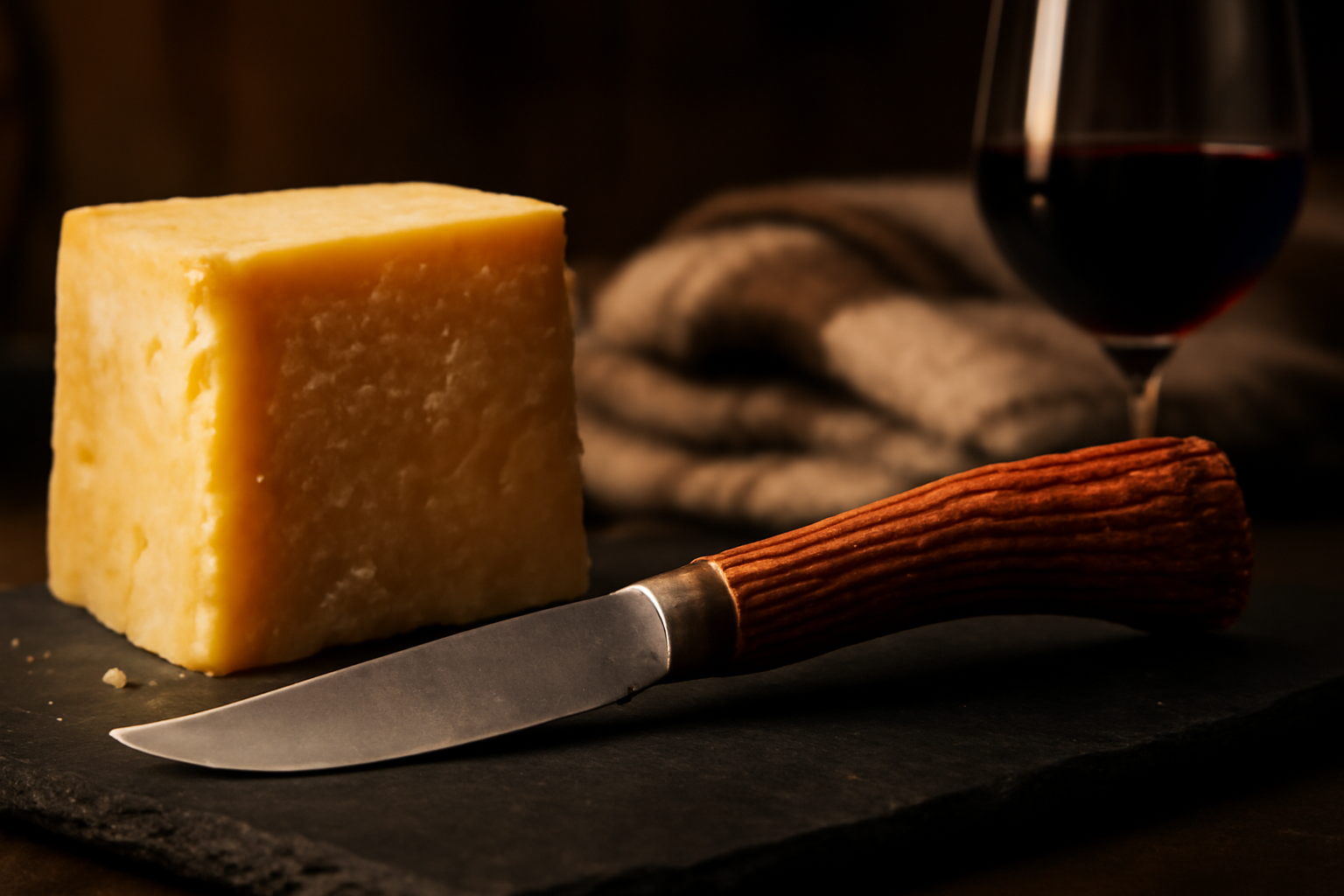
The Connoisseur's Guide to Fine Aged Cheddar: Prep, Temperature, and Tools
Learn to serve fine aged cheddar like an expert. This guide details perfect temperature, preparation, and how the right knife prevents crystalline cheese from shattering.
Read article →

Lifestyle & Home· 6 min read
The Epigenetics of Antler Growth: How a Stag’s Environment Shapes Its Form
Uncover the epigenetics of antler growth. We explore how a stag's life in the wild shapes its antlers and teach you how to spot markers of an authentic heritage.
Read article →