Craft & Materials· 6 min read
The Science of Shedding: How Deer Drop Antlers Naturally
Explore the biology behind how deer naturally shed antlers each year. Learn to identify ethically harvested antler and debunk common myths about animal cruelty.
By Antler Tree · 1 June 2026
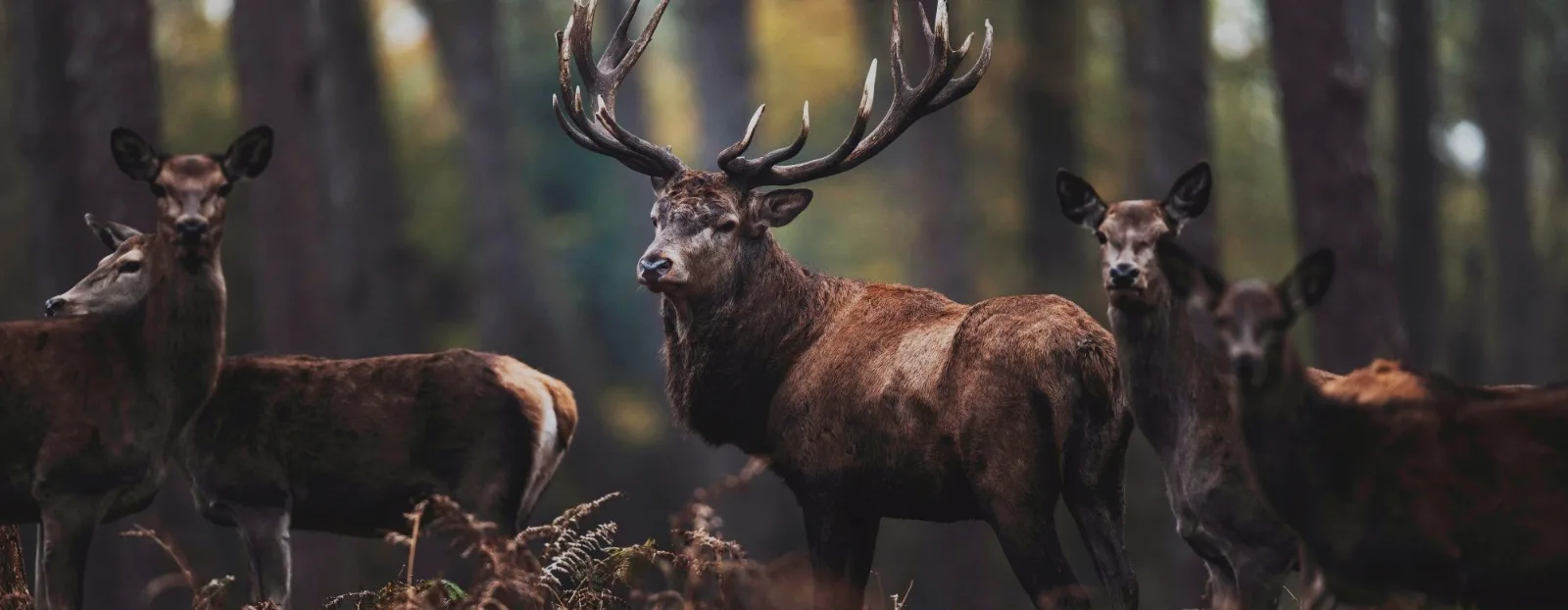
The annual shedding of antlers is one of nature''s most elegant cycles of renewal, a quiet miracle that unfolds in forests across New Zealand. It is a process often shrouded in misunderstanding, yet it forms the very foundation of our craft at Antler Tree. This natural casting is the sole source of the material we transform, a gift from the wild that we are privileged to work with.
More Than Just Horns: The Uniqueness of Antler
To appreciate the wonder of a shed antler, one must first understand what it is not: it is not a horn. This is more than a semantic distinction; it’s a fundamental biological difference that speaks to the sustainability of our material. Horns, found on animals like sheep, goats, and cattle, are a two-part structure. They consist of a bony core that is a living part of the skull, covered by a sheath of keratin—the same protein that makes up our hair and fingernails. Horns are permanent; they are never shed and will grow continuously throughout the animal''s life. If a horn breaks, it is a traumatic and often permanent injury.
Antler, in contrast, is composed entirely of bone. It is one of the fastest-growing tissues in the animal kingdom, a solid and remarkable structure grown not from the skull itself, but from supportive stumps on the frontal bones called pedicles. Most importantly, antlers are deciduous. They are grown and cast off every single year in a seamless, natural cycle. For the Red Deer stags of New Zealand, this cycle is a testament to their health and vigour. The annual growth of a new, often larger and more complex set of antlers is a display of dominance and genetic fitness, crucial for the social dynamics of the herd during the autumn ''roar'' or rut.
This cycle of growth and loss is what makes antler a truly renewable resource. No animal is ever harmed in its collection because the deer discards it naturally, leaving it on the forest floor as part of an ancient rhythm. We see it not as a byproduct, but as the intended conclusion to a magnificent biological process.
The Hormonal Clockwork: Nature’s Perfect Timing
How does a stag know when to drop its antlers? The process is a masterpiece of physiological engineering, dictated by an internal clock synchronised with the seasons. The primary driver is the hormone testosterone, regulated by the photoperiod—the amount of daylight an animal is exposed to each day.
As the days lengthen after the winter solstice, a stag’s testosterone levels begin to rise. This hormonal surge triggers the rapid growth of a new set of antlers, which occurs throughout spring and summer. During this growth phase, the antlers are covered in a soft, fuzzy skin called ''velvet''. This velvet is rich in blood vessels and nerves, feeding the bone tissue and allowing it to grow at an astonishing rate, sometimes over a centimetre a day. The antler at this stage is living tissue, warm to the touch and sensitive.
By late summer, as the rutting season approaches, testosterone levels peak. This hormonal climax causes the antler bone to fully mineralize and harden. The blood supply to the velvet is cut off, and the deer will rub its antlers against trees and shrubs to shed the drying velvet, revealing the hard, polished bone beneath. These are the antlers used for sparring and display during the autumn rut.
The Osteoclast Connection
After the rut, as autumn transitions to winter and the days grow shorter, the stag''s testosterone levels plummet. This dramatic drop is the precise trigger for shedding. The decrease in testosterone activates specialised cells called osteoclasts at the base of the antler, right at the junction with the pedicle. The job of osteoclasts is to resorb bone tissue. They begin to demineralize the attachment point, essentially eating away at the base of the antler until the connection is so weak that the heavy structure simply falls off under its own weight or from a light bump against a branch.
The Drop: A Clean and Painless Separation
The idea of a piece of bone falling off an animal''s head can sound alarming, but the shedding process is entirely natural and painless. It is not an injury or a trauma. In fact, within hours of the antler being cast, a layer of skin begins to grow over the exposed pedicle, healing the surface in preparation for the next growth cycle. The process is often compared to a child losing a baby tooth; the connection is dissolved from within until it’s ready to release without force or pain.
Stags can become slightly agitated just before they cast, often shaking their heads as the heavy antlers become loose. When they finally drop, it is with a sense of relief. Observers in the wild note that stags often appear more relaxed and less encumbered after shedding their formidable crowns. They will spend the winter without antlers, conserving energy before the cycle begins anew with the coming of spring. This annual process of shedding and regrowth leaves behind a perfect, dense, and durable material on the forest floor, waiting to be found.
From Forest Floor to Workshop: Spotting True, Naturally Shed Antler
The most common concern we hear from thoughtful consumers is about animal welfare. The market can be confusing, with sellers of bone, horn, and antler often using the terms interchangeably. It is crucial to know that the material we use at Antler Tree is exclusively from naturally shed antlers, and understanding how to identify it empowers you to make an ethical choice.
First, let''s dispel the primary myth: cruelty is not part of the equation for shed antler. The entire process is hands-off. The antlers are cast naturally in the wild, and our team collects them on foot from the remote high country of New Zealand. This is in stark contrast to animals hunted for trophies or farmed animals where antlers might be removed by sawing—a process that is not only stressful but yields a different type of material.
Here are the clear, physical criteria for distinguishing a dense, premium, naturally cast antler from inferior bone or sawed-off farmed antler:
- The Crowned Base: This is the most definitive sign. A naturally shed antler will have a solid, rounded, and slightly convex base where it detached from the pedicle. This ''button'' or ''crown'' is often rough and textured, showing the clean break created by osteoclasts. Conversely, an antler sawed from a skull will have a flat, smooth, and concave base, often with saw marks visible. It lacks the natural, organic shape of a shed crown.
- Weight and Density: Naturally shed antler that has been on the forest floor for a season is incredibly dense and heavy for its size. This is because it is fully mineralized, solid bone designed to withstand the immense force of stags colliding during the rut. Weathered bone from a skeleton, by contrast, is much lighter and more porous. It will feel ''chalky'' and brittle, as it was never intended to be an external weapon.
- Colour and Patina: Wild, shed antler develops a rich, unique patina from its time on the ground. Minerals from the soil, tannins from leaf litter, and exposure to sun and rain imbue the surface with deep browns, greys, and even greens. This colouring is natural and uneven. Farmed antler, or bone that has been boiled or bleached to clean it, is typically a uniform, sterile white or pale cream colour. It lacks the character and story that weathering imparts.
- Surface Texture: A true shed antler feels like a polished stone. It is smooth and cool to the touch, a solid piece of nature''s finest bone. Old bone is often pitted and flaky, and sawed antler can show tool marks and a lack of natural wear.
By knowing these signs, you can be confident that the material you are holding was a gift from nature, not taken by force.
A Cycle of Renewal in Your Hands
When we select an antler for our workshop, we are not just choosing a raw material. We are choosing a piece of a story—a record of a stag''s life, of a season passed in the New Zealand wilderness. The weight, the colour, the density—it all speaks to the health of the animal and the richness of the environment it came from.
Our role as craftspeople is to honour that story. We slice the dense cortical bone to reveal the intricate patterns within, polishing it to a lustre that brings its natural colour to life. The process is a continuation of the antler''s journey, transforming it from a symbol of wild strength into an object of quiet beauty and daily utility. Holding a piece of this material, even in a small, tactile form like an Antler Key Ring, connects you directly to this wild, renewable cycle. It is a tangible piece of the New Zealand landscape, a reminder of the quiet, powerful rhythms that endure far from our busy lives.
Each piece of antler we shape carries the essence of its origin: the sun, the rain, the forest floor, and the powerful life cycle of the Red Deer. We simply reveal the beauty that nature has already perfected. It’s an honour to take this shed material and give it a new purpose, allowing its story to continue with you.
Related reading
Craft & Materials· 6 min read
Patio Hosting Mechanics: Selecting Slip-Resistant Tools for Summer Barbecues
A guide to high-durability, slip-resistant barbecue tools. We analyze why natural antler grips better than polymer in wet conditions for confident patio hosting.
Read article →

Craft & Materials· 6 min read
Replacing Greenwashed Corporate Swag with Genuinely Sustainable Luxury
Tired of disposable corporate swag? Discover how naturally shed deer antler offers a truly sustainable, carbon-neutral luxury gift that lasts a lifetime.
Read article →
Craft & Materials· 6 min read
The Psychology of Hosting: How Weighty Bar Tools Change the Guest Experience
Discover the psychology of hosting. We break down the weight-value heuristic, revealing how the heft of quality bar tools subconsciously signals value to your guests.
Read article →